Decoding the White House's AI Legislation Blueprint
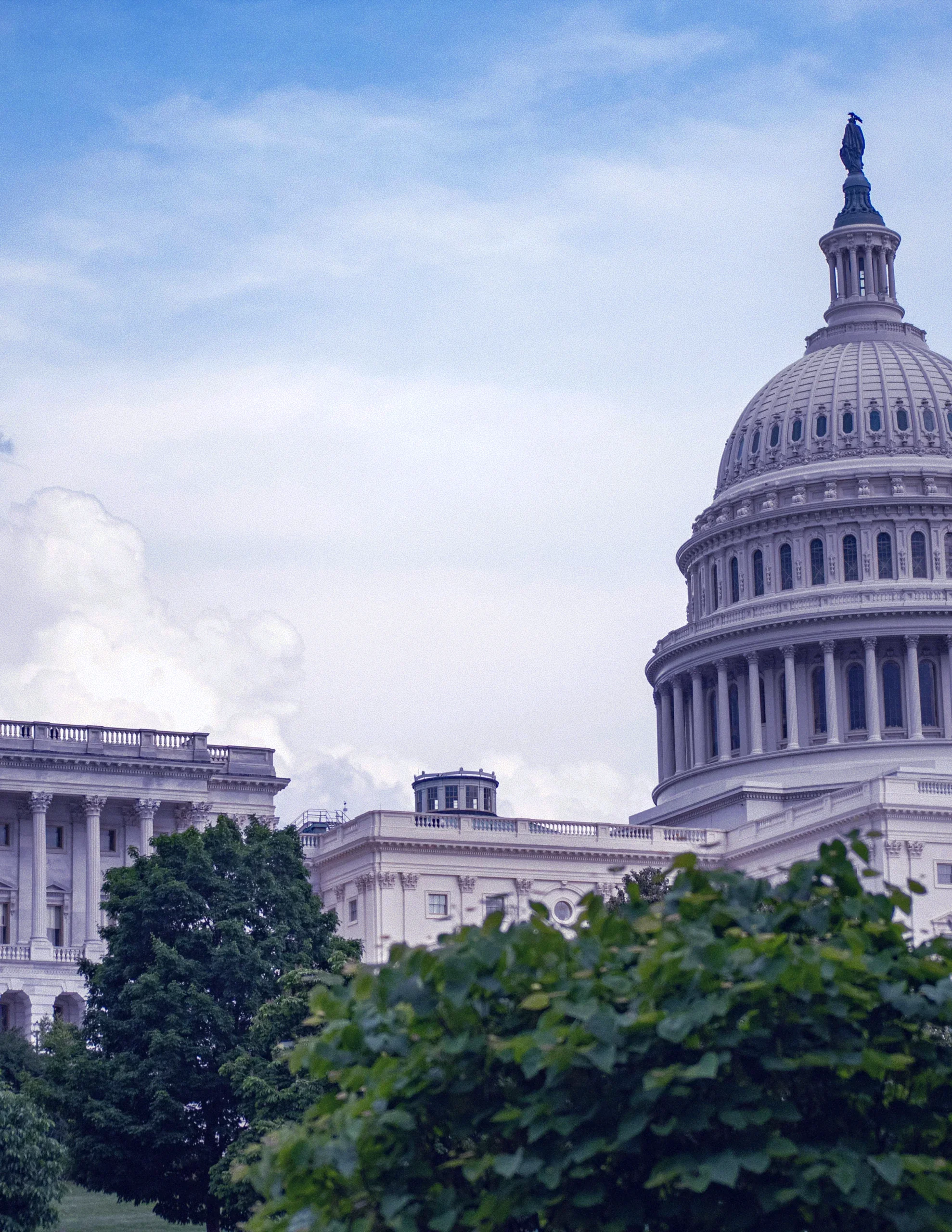
The White House's National Policy Framework for AI pushes Congress towards unified federal AI regulations. It raises questions about state versus federal authority.
The White House's National Policy Framework for Artificial Intelligence, released on March 20, 2026, lays out a legislative roadmap for Congress to establish federal AI governance. This framework stands apart from previous documents by urging Congress to enact laws aligning with the Trump administration's AI policy goals.
Federal Versus State: The Tug-of-War
The framework aims to preempt state AI regulations, positioning the federal government as the leader in AI policy. It clearly signals which AI issues require legislative action. But here's the rub: it's not a binding regulation or an executive order. It's a set of recommendations to Congress, with many proposals left open to interpretation.
So, what does this mean for state sovereignty? The framework introduces broad categories where states shouldn't tread, like AI development and the legality of AI-driven activities. But the specifics? They're murky. How will this play out in high-risk areas like healthcare or social media? The framework leaves much room for debate.
Priorities Reflecting Public Demand
The framework doesn't just echo the administration's earlier AI strategies. It ventures into new territory, like child protection, acknowledging the bipartisan push for safeguarding children from AI harms. It also addresses censorship and identity theft via AI, raising questions about the separation of federal and state responsibilities.
Take deepfakes, for example. The framework acknowledges their complexity, with exceptions for parody or satire. But will these nuances satisfy states already regulating these issues, or will they spark further legal clashes?
Implementation Hurdles
Congress faces a challenge: decide how to act on these recommendations. The framework's release coincides with Senator Marsha Blackburn's draft of the TRUMP AI AMERICA Act, suggesting some alignment of priorities. Yet, divergences remain, particularly in state preemption and developer liability.
If Congress codifies parts of the framework, expect legal battles over state preemption. Some states might challenge the constitutionality of any federal overreach, while others could pause enforcement of their AI laws. The administration's light-touch approach to regulation suggests a preference for federal oversight, but will Congress agree?
Future Directions
The framework's release could push Congress to act before the midterms. AI's societal impacts are undeniable, and lawmakers can't afford to appear indifferent. The framework offers low-hanging fruit, like workforce realignment and national security concerns, that might gain bipartisan support. However, the section on state AI preemption will likely face resistance.
The question remains: will Congress see the framework as a blueprint for action or as a starting point for debate? The stakes are high, and the outcome could reshape AI regulation in the U.S. Read the source. The docs are lying.
Get AI news in your inbox
Daily digest of what matters in AI.