Dazzle Camouflage: Russia's Hail Mary Against AI Drones
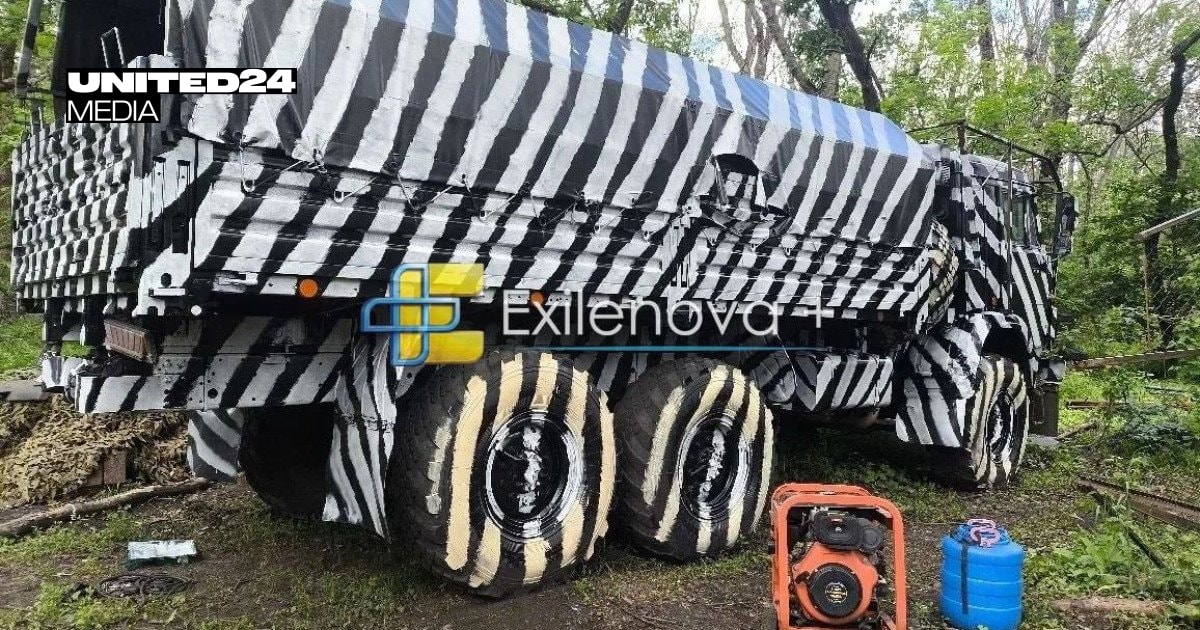
Russia tries to outsmart Ukrainian AI drones with a WWI-era trick: dazzle camouflage. But does this retro strategy really hold any water?
In an age where artificial intelligence is scanning battlefields like a hawk with a taste for iron, Russia has reached back to the dusty playbook of World War I. They're using dazzle camouflage, a tactic originally designed to confuse enemy torpedoes, in a modern bid to slip past Ukrainian AI drones. Now, I don't know about you, but this reeks of desperation rather than innovation.
History Repeats Itself
Dazzle camouflage was created during WWI to protect ships from German U-boats. It wasn't about hiding. it was about confusion. The idea was to make it difficult to estimate a ship's speed and direction. Fast forward over a century, and it seems Russia's military apparatus is betting on this optical trickery to outwit the unblinking eye of AI drones.
It's worth asking: are we really supposed to believe that a pattern designed to confuse the human eye can outsmart today's advanced algorithms? Naturally, the notion sounds as absurd as it's audacious. Paint some stripes on a tank, and presto, it's invisible to a machine trained to recognize tanks. Who knew national security could be solved with a little art therapy?
The AI Advantage
AI, unlike the human eye, processes information with a speed and accuracy that doesn't rely on visual cues alone. We're talking about technology that can analyze heat signatures, movement patterns, and other data points far beyond the reach of dazzle designs. Russia's gamble on this century-old tactic either shows a creative ingenuity or a lack of better options, depending on how charitable you're feeling.
And let's not forget the big question: even if the camouflage works to an extent, is it scalable? Can Russia afford to splash this paint on every piece of military hardware? The press release said innovation. The 10-K said losses.
Optics or Obsolescence?
The use of dazzle camouflage might play well for domestic propaganda. It shows the populace that Mother Russia is employing all its historical savvy against modern threats. But practical battlefield results, AI's relentless march forward makes optical illusions look like quaint parlor tricks.
In the end, the return to dazzle camouflage might raise a few eyebrows, but it's unlikely to change the tide of war. Spare me the roadmap. As AI continues to refine its capabilities, perhaps the real question is how long until military strategies that rely on AI become the norm rather than the exception.
Get AI news in your inbox
Daily digest of what matters in AI.