Creative AI: When Machines Start to Swarm
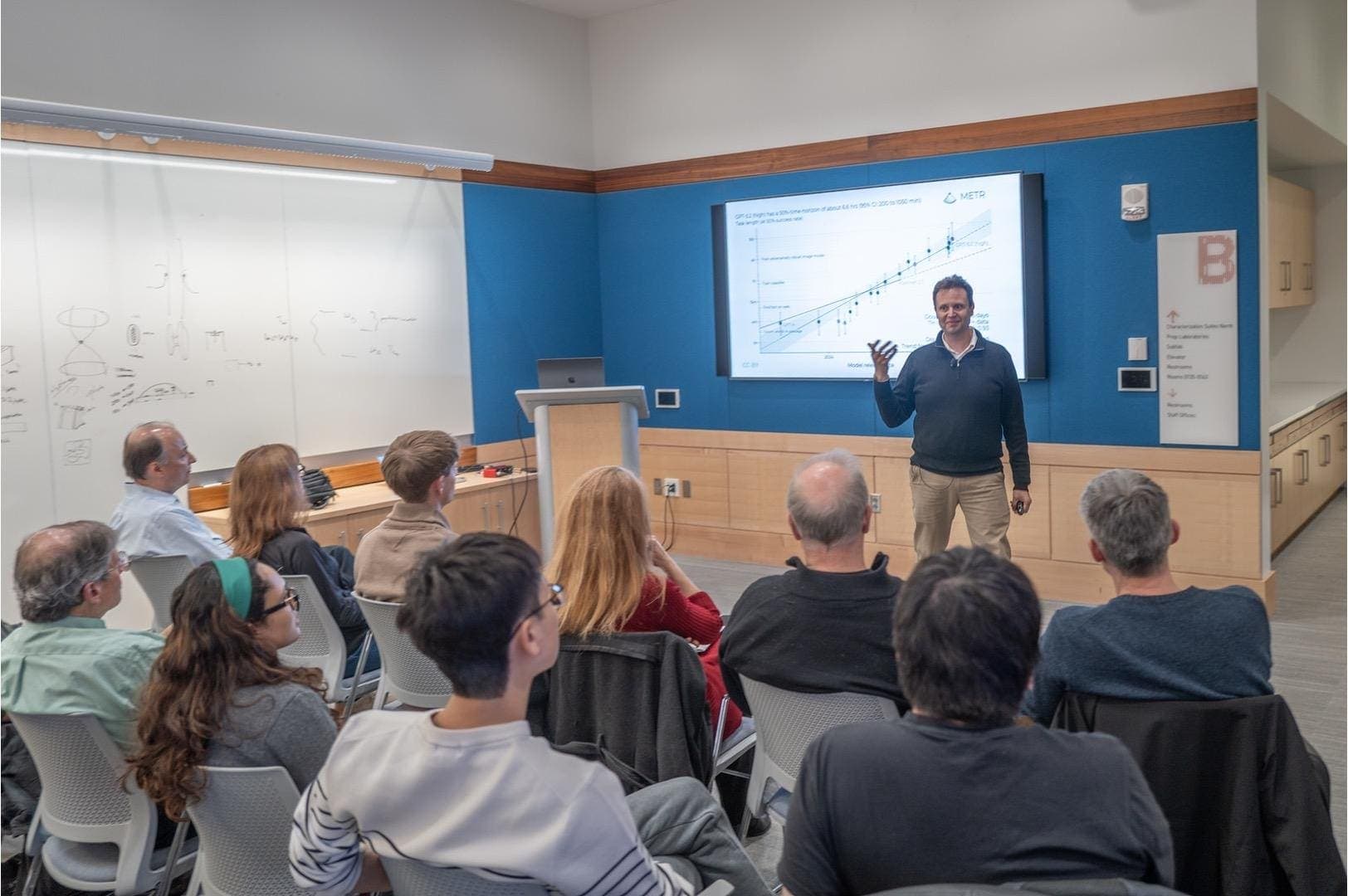
AI is merging creativity with swarm intelligence, challenging our understanding of human uniqueness. The convergence is just beginning.
Artificial intelligence is no longer confined to executing repetitive tasks faster than humans. It's pushing boundaries, challenging what it means to be creative. While creativity was once the exclusive domain of humans, AI is now stepping into this territory with a vengeance. The collision of AI with swarm intelligence marks a significant shift in how we understand creativity and discovery.
Defining Creativity in the Age of Machines
For years, creativity was seen as a distinctly human trait. Now, AI systems are generating art, music, and even literature that can rival human creations. But what about when AI systems collaborate in a swarm, like a colony of ants or a flock of birds, to solve complex problems? This convergence presents a new frontier where creativity isn't just a lone endeavor but a collective intelligence.
If machines can collaborate to solve problems creatively, what does that say about human uniqueness? The AI-AI Venn diagram is getting thicker, and it's challenging long-held beliefs about what makes us special. It's not just about machines getting smarter. it's about them thinking differently.
The Swarm Intelligence Revolution
Swarm intelligence isn't a new concept. It borrows from nature, where simple organisms work together to achieve complex goals, think of how ants build intricate colonies or how birds fly in perfect formation. Applying this concept to AI opens up possibilities we haven't fully grasped yet.
Picture a network of AI agents, each with their own autonomy, working in unison to solve a problem faster and more efficiently than any single system could. The compute layer is becoming a playground for these agentic systems. But if agents have wallets, who holds the keys? The financial plumbing for machines needs to keep pace with their evolving capabilities.
Human Uniqueness Under Scrutiny
This isn't just about technology. It's a philosophical challenge too. As these systems evolve, they raise questions about the essence of human creativity and discovery. Are we seeing the dawn of a new kind of intelligence, one that's less about individual brilliance and more about collective problem solving?
The implications stretch far beyond the technical details. Industries need to buckle up for a future where AI's role in creativity and problem-solving grows exponentially. This isn't a partnership announcement. It's a convergence. The question isn't whether machines can be creative, it's how we'll adapt to this new creative landscape.
Get AI news in your inbox
Daily digest of what matters in AI.