Cobots: Revolutionizing Manufacturing One Task at a Time
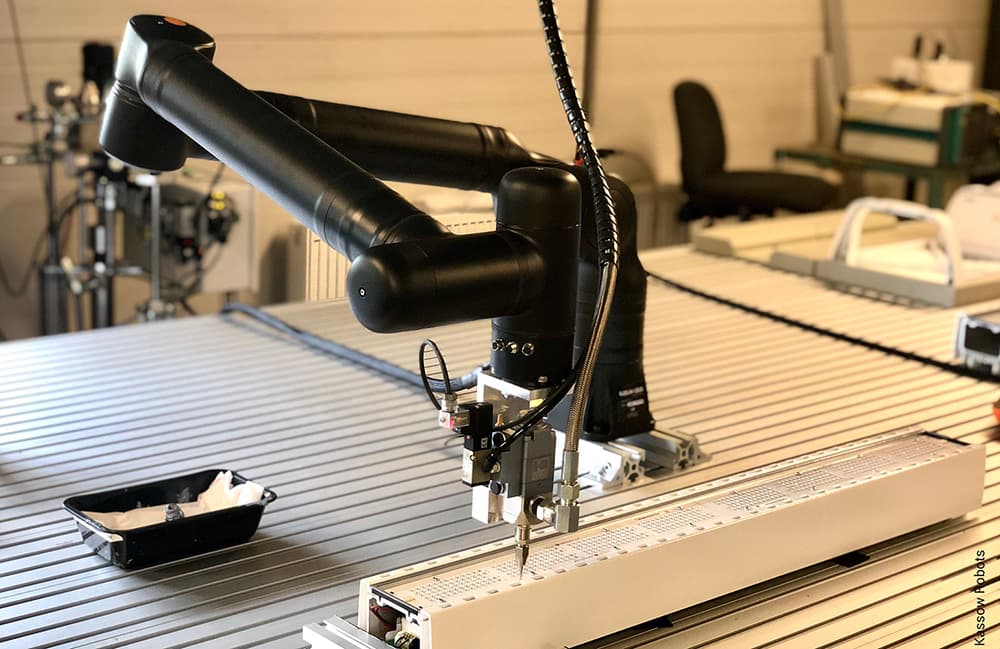
Collaborative robots, or cobots, are transforming manufacturing by enhancing efficiency without disrupting existing processes. These programmable machines are reshaping production lines, integrating seamlessly into tight spaces, and working alongside humans.
Collaborative robots, often referred to as cobots, are quietly reshaping manufacturing. These machines are increasingly being deployed on production floors, offering a compelling way to automate specific tasks without the need for extensive redesigns or pauses in production. But what makes cobots genuinely transformative is their ability to adapt to existing conditions, amplifying efficiency while reducing strain on human operators.
The Art of Task Selection
Choosing the right task for a cobot is important. These robots excel when handling repetitive, predictable, and physically taxing duties. Whether it's loading and unloading parts, managing routine inspections, or tending to machines, cobots can significantly alleviate operator fatigue and process variability. Yet, cobots aren't miracle workers. They can't simply smooth over inconsistencies in poorly designed tasks. Automation that overlays existing problems won't fix them. it often highlights them.
So, why does this matter? Because cobots, when correctly integrated, don't just add mechanical precision. They harmonize with the rhythm of production lines, bringing stability without the upheaval of a ground-up rebuild.
Navigating Space Constraints
Space in manufacturing environments is often at a premium, and many facilities weren't built with automation in mind. This is where cobots shine. Their ability to reach various interaction points from a single mounting position often trumps sheer speed or payload capacity. Imagine a cobot with extended reach and flexible joints maneuvering around fixtures without needing major layout changes. That's the kind of adaptability that makes them indispensable.
But can they truly preserve operator access and material flow? Absolutely. Cobots are designed not to replace humans but to work alongside them. They ensure that human operators can continue to load components, handle changeovers, and react to alarms without cumbersome workarounds. Tokenization isn't a narrative. It's a rails upgrade.
Protecting the Tempo
Maintaining cycle time harmony is another important concern. Cobots must not only perform tasks reliably but also align with the tempo of the production line. A cobot working too fast or too slow can introduce bottlenecks, undermining its purpose. Often, automating the most repetitive or time-sensitive portion of a task is enough to enhance station performance without overhauling the entire process.
The real-world asset deployment of cobots is nothing short of remarkable. Their smooth, predictable movements instill confidence in human operators, promoting effortless interactions and avoiding hesitation. they're a testament to how physical meets programmable in a way that respects the industry's traditional cadence.
As manufacturing continues to evolve and space remains a premium commodity, cobots are becoming an indispensable tool. They don't seek to replace human workers. they aim to augment them, creating an environment where efficiency and human ingenuity coexist harmoniously. The real world is coming industry, one asset class at a time.
Get AI news in your inbox
Daily digest of what matters in AI.