Claude Code's New Channels: A Leap Toward Autonomous AI
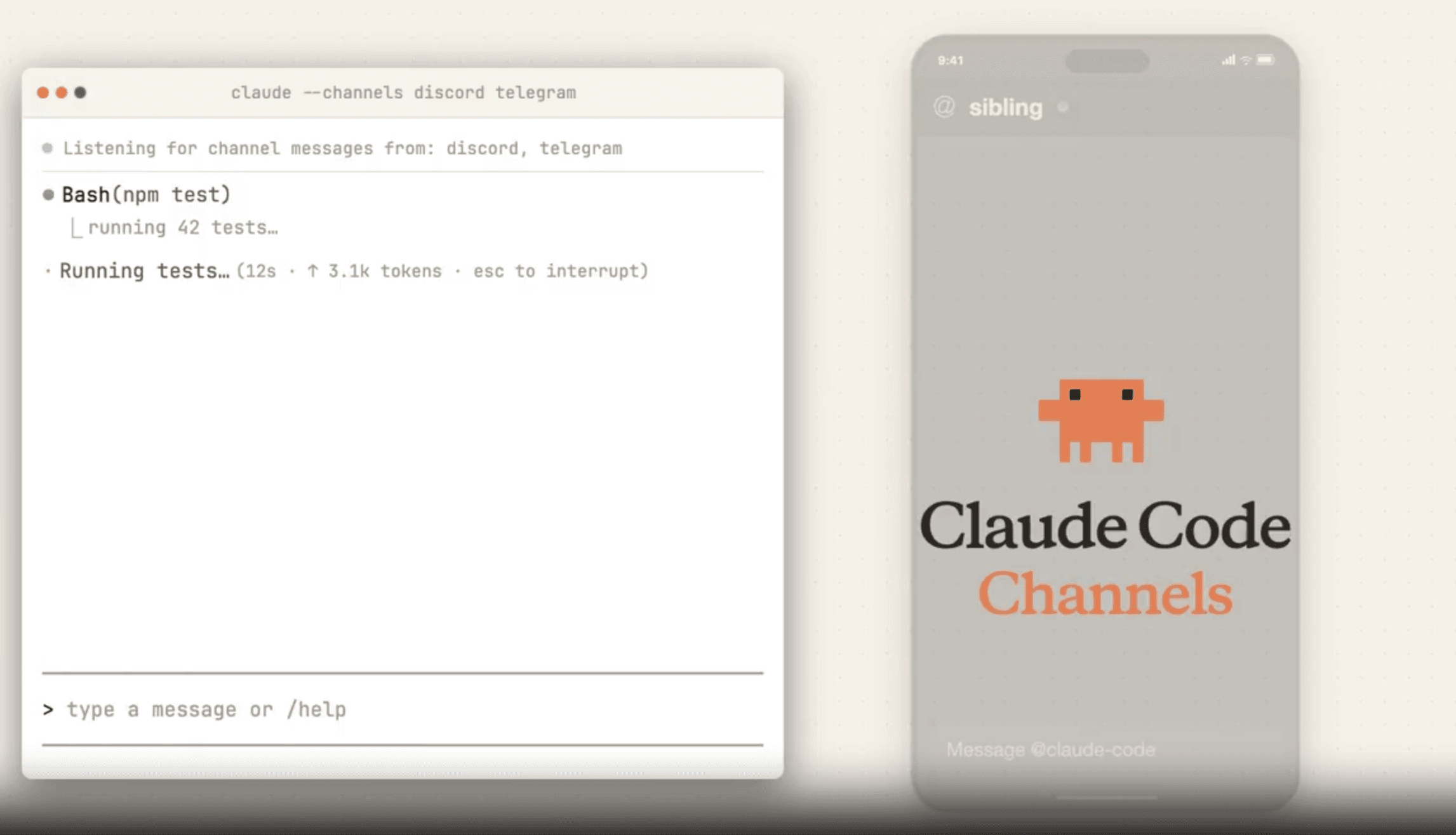
Anthropic introduces a 'channels' feature for Claude Code, turning it into a continuously functioning AI agent. This evolution raises questions about AI autonomy and practical use in workflows.
Anthropic's newest upgrade to Claude Code is blurring the lines between passive AI tools and autonomous agents. By introducing a 'channels' feature, Claude Code can now receive external inputs like CI results or chat messages directly into an ongoing session. This enhancement allows it to operate continuously without human intervention, marking a significant shift in how AI models integrate into our workflows.
AI on Autopilot
This isn't just another software update. It's a convergence. By enabling Claude Code to act on real-time data without requiring manual oversight, Anthropic is pushing the boundaries of AI autonomy. Imagine an AI that doesn't just sit idle waiting for commands but actively participates in your project's lifecycle. The AI-AI Venn diagram is getting thicker.
But what does this mean for the developers and users relying on these systems? In a world where efficiency is everything, having an AI that anticipates needs and adapts in real-time could revolutionize productivity. No more waiting for the next prompt or manual execution of tasks. Claude Code might just be the co-worker who never clocks out.
Implications of Continuous Operation
However, this leap toward agentic AI raises essential questions. If agents have wallets, who holds the keys? The more we allow AI to operate autonomously, the more we must consider the implications of their actions. Who's responsible for decisions made by an always-on AI? And how do we ensure these decisions align with human intentions?
The balance between autonomy and control is delicate. With Claude Code's new capabilities, this balance becomes even more critical. It's not just about workflow improvements. it's about trust. As we hand over more tasks to AI, we need reliable systems to monitor and guide their conduct.
Future of AI Agents
Looking ahead, Anthropic's move could signal an industry-wide trend towards more autonomous AI agents. The compute layer needs a payment rail, and this development might just be the catalyst for it. By automating routine processes, AI could free up human creativity and strategic thinking, allowing us to tackle problems AI can't yet solve.
But let's not forget the potential downsides. Increased autonomy could lead to unforeseen errors or misjudgments. As we venture into this new domain of AI development, we must tread carefully, ensuring that while we embrace innovation, we're also prepared to handle its consequences.
Get AI news in your inbox
Daily digest of what matters in AI.
Key Terms Explained
Agentic AI refers to AI systems that can autonomously plan, execute multi-step tasks, use tools, and make decisions with minimal human oversight.
An autonomous AI system that can perceive its environment, make decisions, and take actions to achieve goals.
An AI safety company founded in 2021 by former OpenAI researchers, including Dario and Daniela Amodei.
AI systems capable of operating independently for extended periods without human intervention.