CISA's Struggles in the AI-Driven Cyber Era
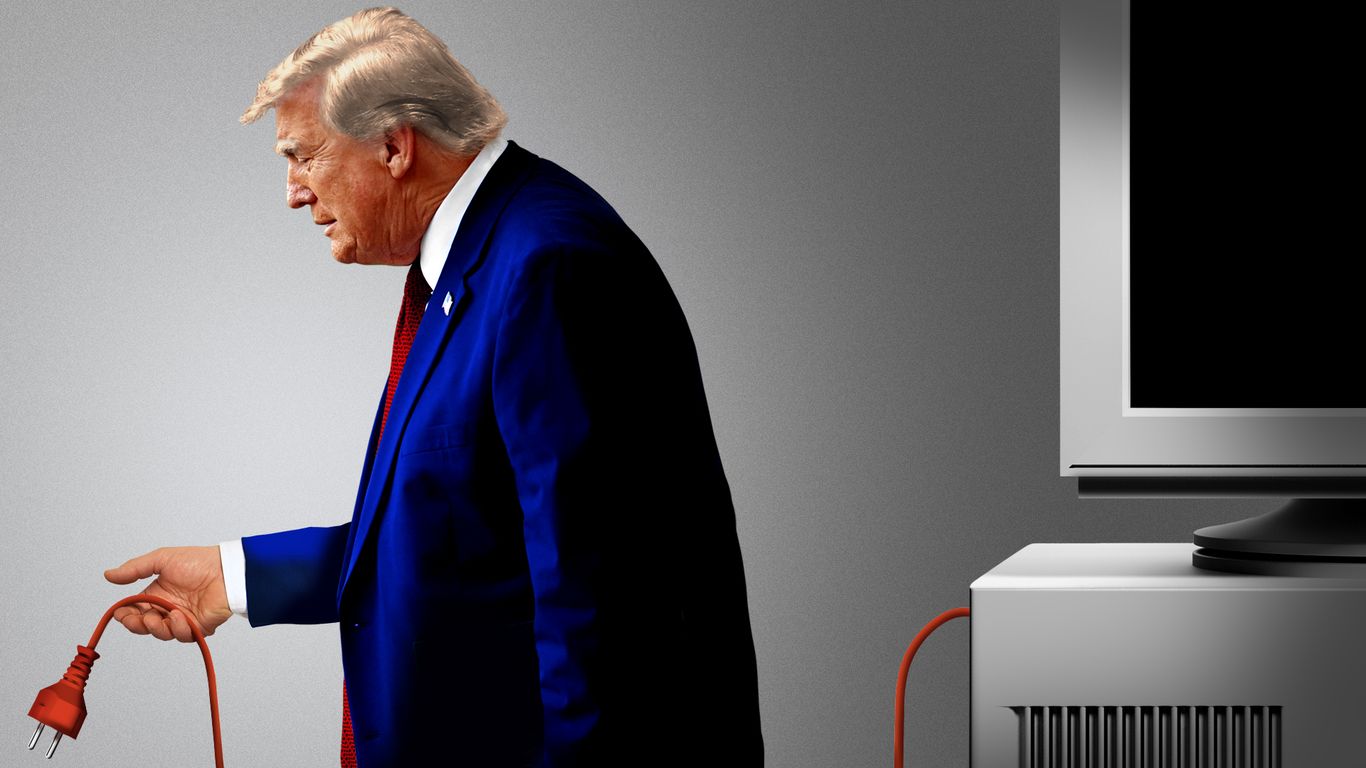
The Cybersecurity and Infrastructure Security Agency, once a cornerstone of U.S. cyber defense, is now grappling with reduced resources amid rising AI cyber threats.
The Cybersecurity and Infrastructure Security Agency (CISA), once a key player in safeguarding America's critical infrastructure, is now facing a significant downturn. Established in 2018 during the Trump administration's first term, CISA was tasked with protecting vital systems like the power grid and telecom networks. However, as the AI era dawns, the agency finds itself with a diminished role and shrinking resources.
Shrinking Resources at a important Time
In a world where AI models like Anthropic's Mythos are poised to supercharge cyberattacks, the timing couldn't be worse for CISA to be at its weakest. Since the start of 2025, CISA has experienced substantial workforce reductions, losing about a third of its personnel through buyouts and budget cuts. Trump's proposed budget slashes as much as $707 million, stripping away another quarter of the workforce, which translates to about 766 full-time employees.
Yet, there may be a glimmer of hope on the horizon. CISA's acting director has recently announced plans to recruit over 300 new staff members for essential roles, signaling a potential U-turn in strategy. Still, the question remains: Can these new hires fill the gap left by the mass exodus of experience and talent?
Leadership Challenges and AI Threats
The agency's woes are compounded by a lack of leadership stability. CISA has yet to replace its chief AI officer who departed last year, and it didn't receive initial access to important AI models like Mythos. Without solid leadership and direct access to emerging technologies, CISA's ability to coordinate with industry partners and other agencies has been compromised.
Former officials and industry insiders are raising alarms. They argue that starving CISA of resources in such a high-stakes environment threatens national security. Senator Gary Peters has voiced concerns, emphasizing the risks posed by AI-fueled hacking threats. When the skies are clear, prepare the roof, don't punch holes in it and wait for the storm.
The Future of CISA in Cyber Defense
Now, as the White House assembles its AI security strategy, CISA seems to be occupying a backseat. James Lewis, a former U.S. cyber diplomat, mentioned that CISA's involvement now seems to be more about presence than influence.
With the postponed AI security executive order, CISA is slated for a coordinating role in managing vulnerabilities alongside the National Security Agency and the Treasury. This shift from a proactive to a more reactive role raises concerns about CISA's future effectiveness.
Can the agency regain its footing in time to confront an AI-driven cyber landscape? The compliance layer is where most of these platforms will live or die. As the digital world grows increasingly complex, the need for reliable cybersecurity measures is critical. Without a change in trajectory, CISA risks being ill-prepared to meet the challenges ahead.
Get AI news in your inbox
Daily digest of what matters in AI.