China's AI Camera Upgrade: A New Era of Surveillance or Overreach?
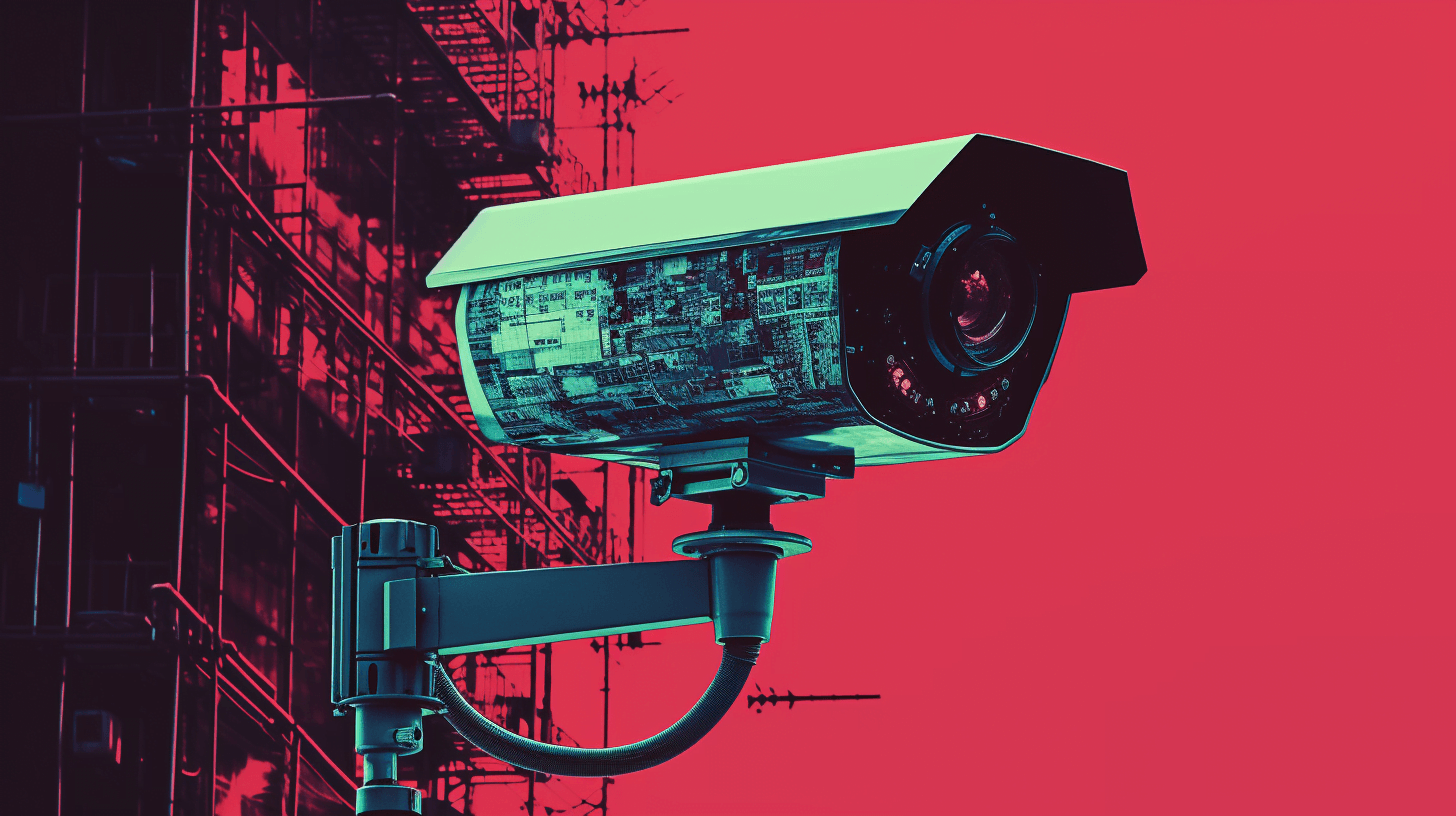
China's move to upgrade its surveillance system with AI raises questions of privacy and control. Is it security or a step towards unprecedented monitoring?
China is transforming its surveillance game by upgrading millions of outdated cameras with advanced artificial intelligence capabilities. Manufacturers like Hikvision and Huawei are rolling out cameras equipped with computer vision and language models. These high-tech devices don't just record. They analyze. They can automatically detect crowds, suspicious behaviors, or unauthorized access. This means no more manually sifting through hours of footage, officers can just type a query and get instant results.
A Double-Edged Sword
This technological leap is impressive, but it comes with a hefty price. Human Rights Watch warns of an unprecedented level of behavioral surveillance. The kind that makes Orwell's Big Brother look like child's play. Sure, safety might increase, but at what cost to personal freedoms? The gap between the keynote and the cubicle is enormous. While management might trumpet efficiency, employees and citizens may see an erosion of privacy.
Efficiency vs. Privacy
Imagine a world where your every move is cataloged and scrutinized. That's not a dystopian movie plot. It's rapidly becoming reality in China. The press release said AI transformation. The employee survey said otherwise. Are citizens really on board with this level of monitoring? Or are they just pawns in a game of technological one-upmanship?
While China forges ahead, it raises a pointed question for the rest of the world: Should we prioritize security over privacy? And if AI can be used for such surveillance, what's stopping other countries from following suit? It's a slippery slope, and we're all on it.
The Global Implications
You might think this is just China's issue, but think again. As AI technology becomes more accessible, other nations might be tempted to adopt similar measures. Who's next? And what's the true cost of this so-called progress? The adoption rate of such tech will depend on how much we're willing to trade our privacy for the illusion of security.
Ultimately, these changes mark a turning point. But whether it's a step forward or a step too far? That's the real story.
Get AI news in your inbox
Daily digest of what matters in AI.
Key Terms Explained
The science of creating machines that can perform tasks requiring human-like intelligence — reasoning, learning, perception, language understanding, and decision-making.
The field of AI focused on enabling machines to interpret and understand visual information from images and video.