ChatGPT and Claude: The New Vectors for Cybersecurity Threats
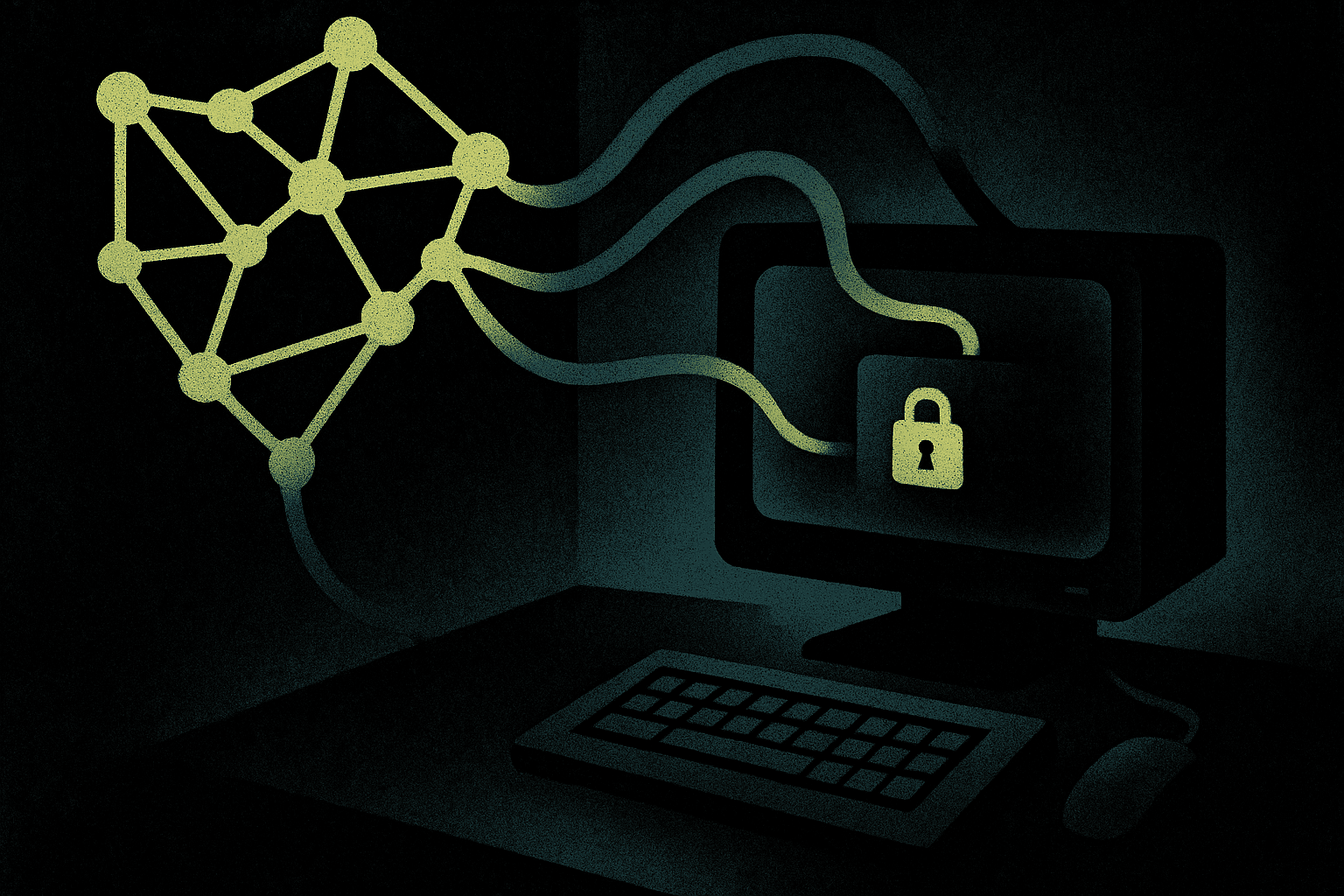
Cyber attackers are exploiting the chat features of AI tools like ChatGPT and Claude to spread malware. This new threat underscores the urgent need for better cybersecurity measures.
In a twist that no one saw coming, cyber attackers have found a new playground: the chat-sharing features of AI tools like ChatGPT and Claude. They're cleverly mimicking error messages or installation guides, hiding malware in plain sight. Why does this work? These chats are hosted on trusted domains, so security tools just wave them through.
The New Face of Cyber Threats
Here's the situation. Attackers are exploiting a gap in the system, a gap that frankly shouldn't exist. Trusted domains like those hosting ChatGPT and Claude are being used as sneaky delivery systems for malware. This isn't just a failure of technology, it's a failure of foresight. The press release might say AI is reshaping security, but the reality is it's also reshaping threats.
This isn't some hypothetical danger. It's happening right now. The conversation around AI has often been about its potential to enhance productivity and efficiency. But let's not kid ourselves. The same features that make these tools incredibly useful for us are now being turned against us. If AI can fool a user into clicking a malicious link, what's next?
What Does This Mean for Us?
There's a stark lesson here: our security measures are lagging behind the innovation curve. Companies are deploying AI tools at an unprecedented rate, but they're failing to arm themselves against the very threats these tools can introduce. The gap between the keynote and the cubicle is enormous. Management bought the licenses. Nobody told the team that these tools need a new kind of oversight.
So, should we stop using these AI tools? Absolutely not. The benefits are real, but so are the risks, and ignoring them won't make them go away. It's about striking a balance. Companies need to invest in reliable security measures and, crucially, in training their workforce to recognize these new threats. Workforce planning must take into account the upskilling necessary for employees to navigate this new landscape safely.
The Path Forward
Let's be honest. The real story isn't just about the malware. It's about our collective unpreparedness. Cybersecurity must evolve at the same pace as AI. If it doesn't, we're in for a rough ride. The employee experience can't be compromised by security gaps. It's time for companies to wake up to the reality that AI isn't just a tool for productivity. It's a double-edged sword.
So, the next time you hear about a new AI feature, think beyond the surface. Ask yourself: is this just another shiny tool, or is it a potential vulnerability? Because in the race to innovate, it's easy to forget that every new feature is a new frontier for both progress and peril.
Get AI news in your inbox
Daily digest of what matters in AI.