ChatGPT: A Lifeline for Health Advice in Medical Deserts
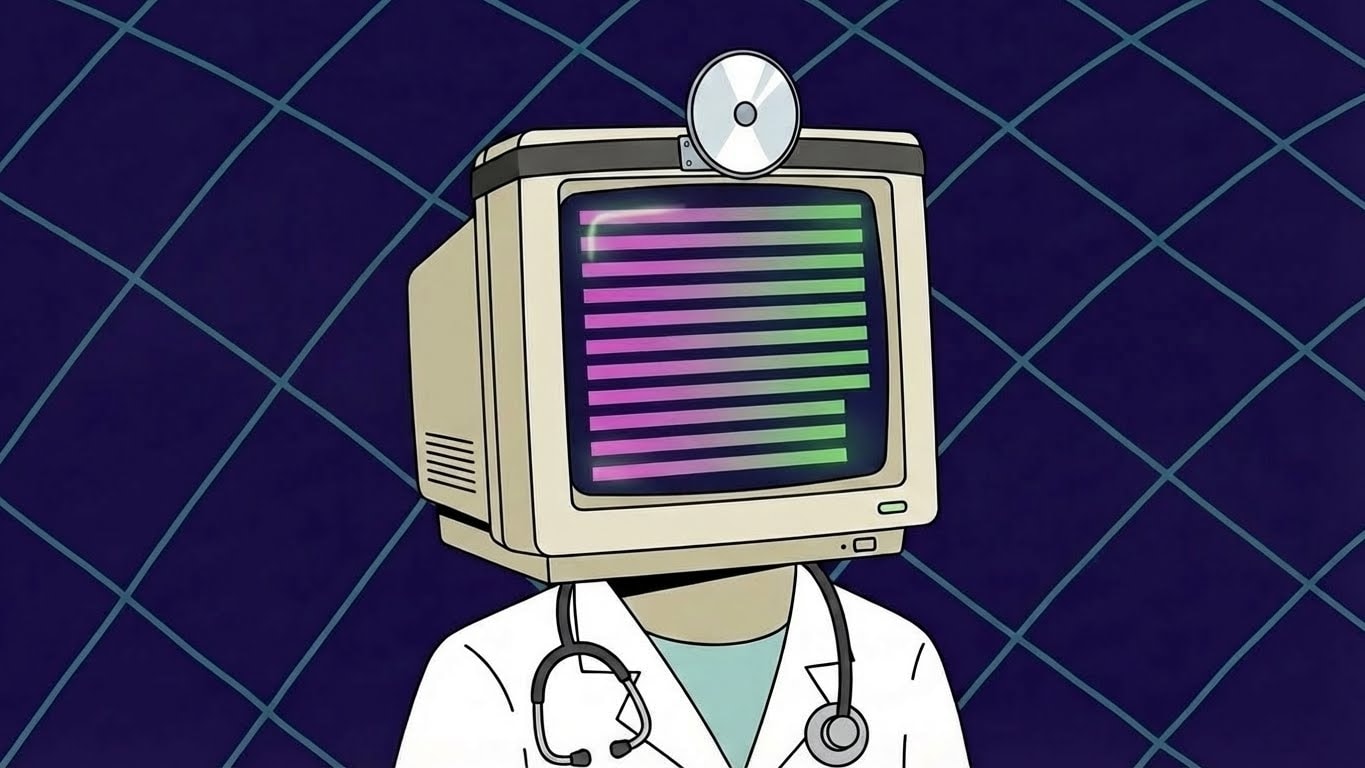
ChatGPT addresses millions of weekly health queries in the US, highlighting its role in areas lacking medical access. Could AI become a primary care alternative?
ChatGPT is quietly becoming a key player in American healthcare, particularly for those living in so-called 'hospital deserts'. Every week, this AI model fields around 600,000 health-related questions from users in the United States. Notably, 70% of these queries come outside regular business hours, indicating a significant demand for information when traditional healthcare resources are unavailable.
The Reach of AI in Healthcare Deserts
For individuals residing far from medical facilities, ChatGPT serves as a digital doctor, offering timely advice when human counterparts are out of reach. But why is this significant? Simply put, it's filling a void in accessibility, a longstanding issue in the healthcare system. Millions seek medical guidance that’s not just a Google search away, but specific to their needs, even if it comes from an AI.
This isn't a partnership announcement. It's a convergence. The AI-AI Venn diagram is getting thicker. As ChatGPT becomes a staple in medical guidance, the lines between traditional healthcare and technology are blurring. Are we witnessing the rise of a new primary care model?
Implications for Healthcare Systems
The traditional healthcare system is grappling with supply-demand mismatches, especially in rural and underserved areas. While not a panacea, AI like ChatGPT is stepping into this breach. The compute layer needs a payment rail, who pays for these services when they become indispensable? If AI agents develop more autonomy in healthcare, who holds the keys to their medical advice?
Even as AI's role expands, ethical and regulatory questions loom. Is an AI's advice as reliable as that from a trained physician? What happens when AI gets it wrong? These aren't just philosophical questions but pragmatic ones that could reshape healthcare policy and practice.
The Future of AI in Medicine
The data suggests a trend that could redefine how we approach medical advice and treatment access. If ChatGPT and similar models can reliably cover the gaps left by human limitations, what's stopping them from becoming a permanent fixture in our healthcare system? We're building the financial plumbing for machines, and it's time we ask: will AI become the doctor of the future?
Get AI news in your inbox
Daily digest of what matters in AI.