Canva's AI Power Move: How Unified Data Fuels Personalization
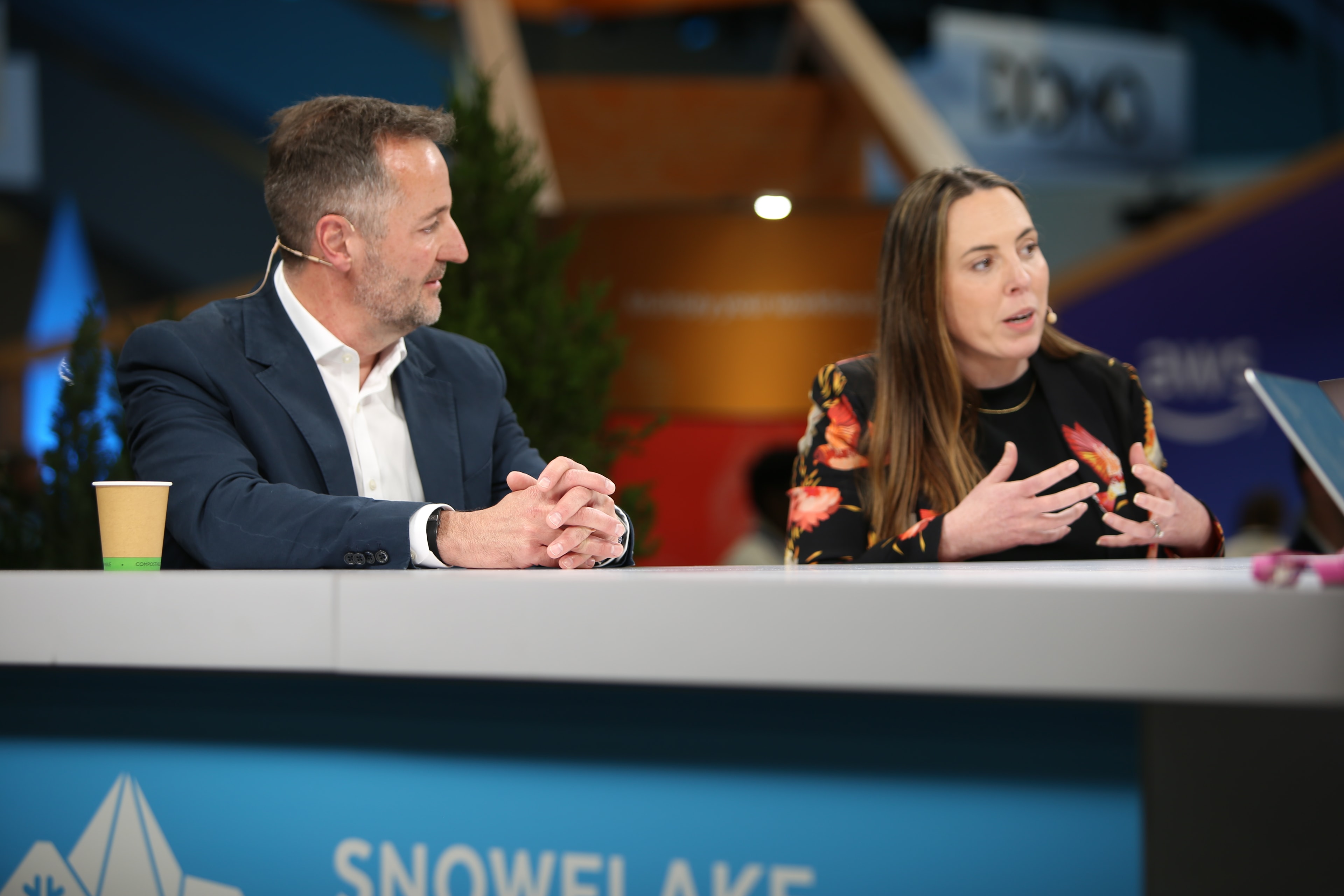
Canva is leveraging a unified data strategy to boost AI-driven personalization. But is everyone ready for this leap?
AI is revolutionizing how products get to market faster, and Canva Pty Ltd. is right at the forefront. This Australian tech darling, known for its intuitive design platform, isn’t just riding the AI wave, it’s steering the ship with a unified data strategy that’s setting a new benchmark for personalization at scale.
Building the Data Foundation
Canva’s success isn’t just about flashy features or a sleek interface. The real story is how it’s using a cohesive data approach to turn raw signals into personalized experiences. With this foundation, Canva can deliver AI-driven personalization faster and more effectively than many competitors. It's a game of data chess, and Canva is making all the right moves.
Why This Matters
Why should anyone care about how Canva handles its data? Because this isn’t just a tech upgrade, it’s a seismic shift in how businesses will interact with customers. Personalized experiences aren’t just nice to have, they’re expected. Companies lagging behind in data integration and AI implementation risk irrelevance. The gap between the keynote and the cubicle is enormous, and Canva’s strategy might just be the blueprint others need.
The Future of Work: Are We Ready?
What does this mean for the workforce? As AI continues to evolve, so will the skills required to manage and optimize these systems. Companies will need to invest in upskilling their teams to handle this new approach to data-driven personalization. Management bought the licenses, but did they tell the team? This transformation won’t happen overnight, and the internal Slack channel will reveal whether the workforce is ready to adapt.
As we watch Canva take these bold steps, the question isn’t whether AI will change the design industry, that’s a given. The real question is, are we ready for how fast it’s happening?
Get AI news in your inbox
Daily digest of what matters in AI.