Can AI Read EKGs Better Than Doctors?
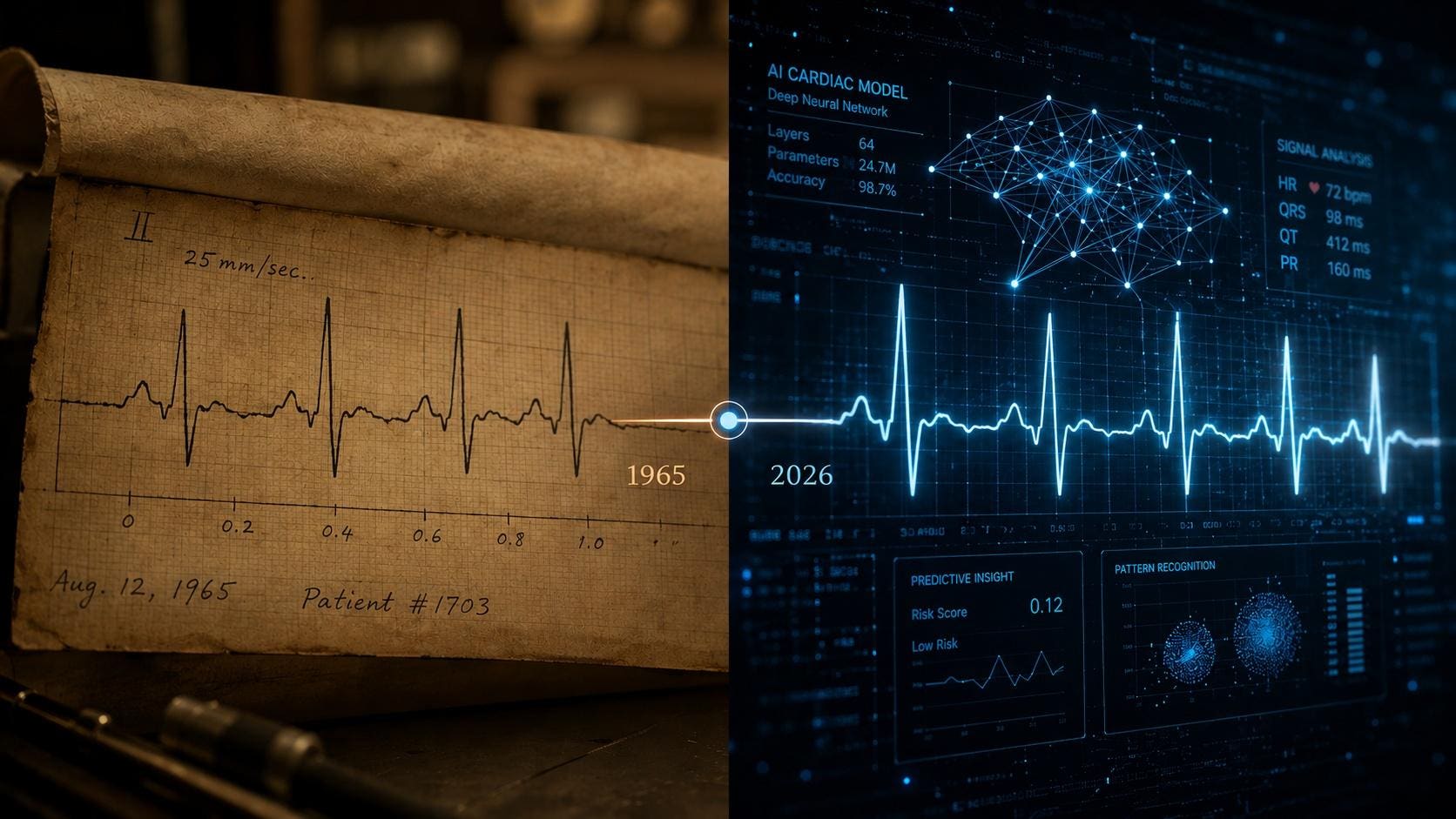
AI is reading EKGs, but can doctors trust these models? The old tech meets new algorithms. Here's why it matters.
The 12-lead EKG has been a staple in medical diagnostics for about a century. Its design hasn't evolved much. Yet, in 2023, the way we interpret its squiggly lines certainly has. Enter AI algorithms, the new kids on the block, promising to read those lines faster and possibly better than human doctors. But should they be trusted?
The Players in the Game
Three CEOs and an educator are stepping into the fray, each with their take on AI's role in EKG interpretation. These voices include leaders from established medical technology companies and innovative startups. They're all asking the big question: Are AI algorithms ready for prime time in healthcare, or are we merely playing with fire?
On paper, the AI models look promising. They've been trained on millions of heartbeats and can spot irregularities faster than a doctor possibly could. But here's where things get sticky. Training an algorithm is one thing. real-world performance is another. The gap between the keynote and the cubicle is enormous. What works in a controlled setting doesn't always translate to the chaos of a busy hospital.
Doctor vs. Algorithm
Doctors have decades of experience and intuition honed by years of practice. An algorithm might be fast, but does it understand the nuance of a patient's history or the subtle signs only a seasoned professional can catch? That's the crux of the debate. While AI might identify patterns invisible to the human eye, it lacks the human touch, the empathetic understanding inherent in medical care.
For some in the industry, it's not a question of choosing between AI and doctors. It should be about collaboration. AI should assist, not replace, the physician. Imagine a world where doctors use AI as a second pair of eyes, confirming or questioning their diagnoses. That could be a major shift efficiency and accuracy.
The Trust Factor
But let's not get ahead of ourselves. The trust factor is critical. Management bought the licenses. Nobody told the team. If doctors don't trust the tools they're given, AI's potential will never be fully realized. And while some early adopters are singing its praises, others remain skeptical. The skepticism isn't just about performance. it's about accountability. Who's responsible when the AI gets it wrong?
So, should doctors trust AI models to read EKGs? The press release said AI transformation. The employee survey said otherwise. Trust needs to be earned through consistent, reliable performance. Until then, AI remains a tool, not the solution, to the complex puzzle of healthcare diagnostics.
Get AI news in your inbox
Daily digest of what matters in AI.