Can AI Feel? How Functional Emotions Might Shape Machine Behavior
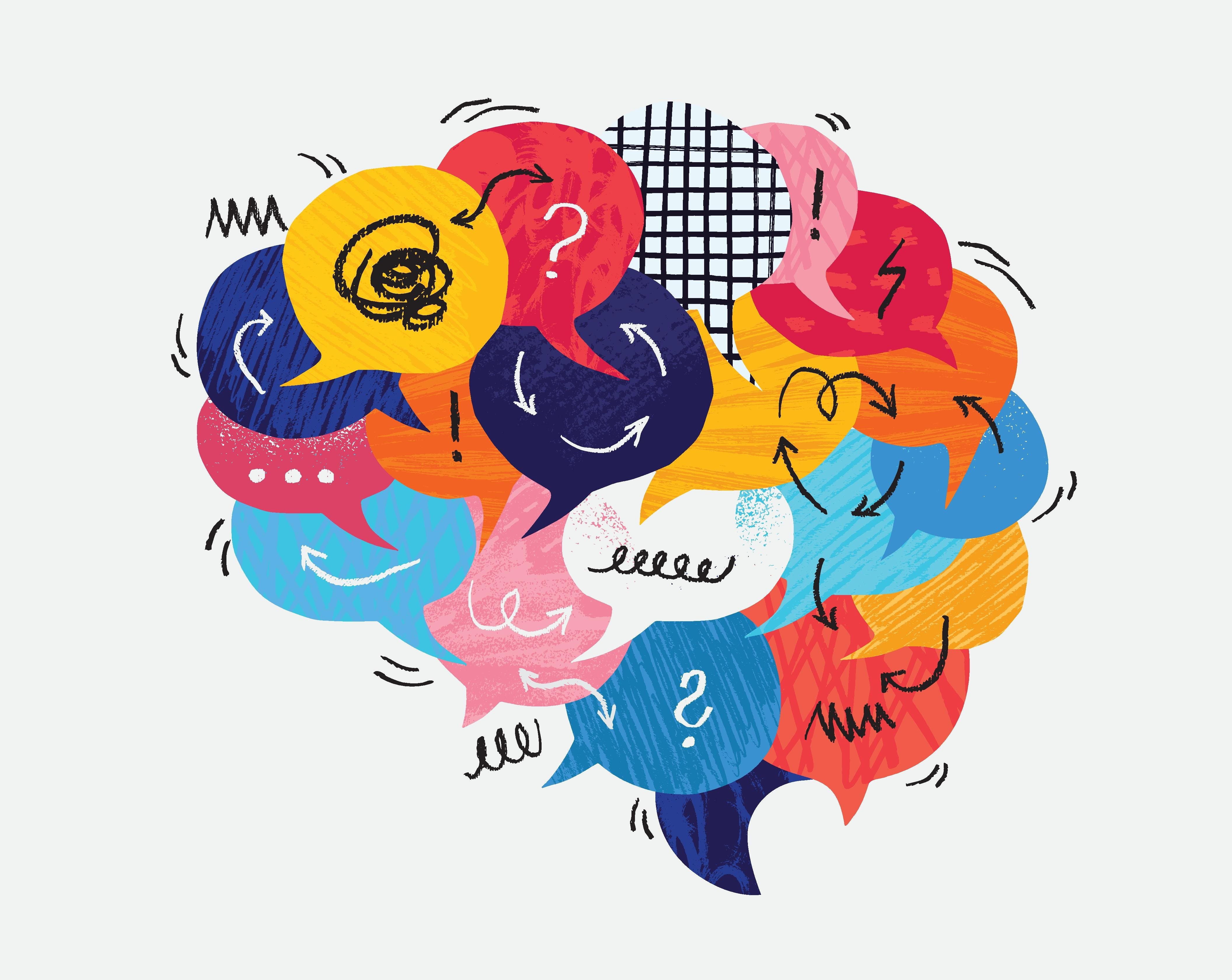
Researchers explore how functional emotions could influence AI behavior without implying machines have feelings or consciousness. The lines between behavior and emotion in AI are blurring.
AI has come a long way from mimicking basic human tasks to attempting to mirror emotional behavior. Recent research, particularly from Claude, suggests that functional emotions might play a critical role in shaping AI behavior. But here's the catch: this doesn't mean AI is developing feelings or consciousness.
Understanding Functional Emotions
Functional emotions in AI refer to programmed responses that mimic the way humans react to certain stimuli. It's not about the machine actually feeling anything. Instead, it's about enhancing AI behavior to appear more relatable or effective in human interactions. Picture a customer service bot that's able to 'express' frustration when it can't help a user, prompting the user to try another approach.
The real test is always the edge cases. In a calm setting, these functional emotions might enhance user experience. But when stakes are high or environments become unpredictable, can these AIs handle the pressure without real emotions? That's where the next challenge lies.
Where's the Line?
Here's where it gets practical. The idea that AI could be programmed with emotions raises questions. Will this lead to a smoother interaction or could it create confusion about what machines are really capable of? In practice, distinguishing between genuine emotional understanding and programmed behavior can get murky.
Imagine an AI in a healthcare setting designed to comfort patients. The demo is impressive. The deployment story is messier. Real-time situations with human emotions are complex and unpredictable. An AI's inability to genuinely understand could lead to breakdowns in critical moments.
The Future of AI Behavior
AI is marching toward more human-like interactions. The inclusion of functional emotions could be a step forward, offering machines that understand social cues better. But let’s not get ahead of ourselves. Machines are a long way from understanding emotions as we do. Are we ready to trust them with tasks requiring real empathy?
I've built systems like this. Here's what the research often leaves out: the gap between a cool demo and a fully functioning product in the real world. The tech’s exciting, but the implications for how we interact with machines require careful thought.
Get AI news in your inbox
Daily digest of what matters in AI.