California Raises the Stakes in AI Regulation
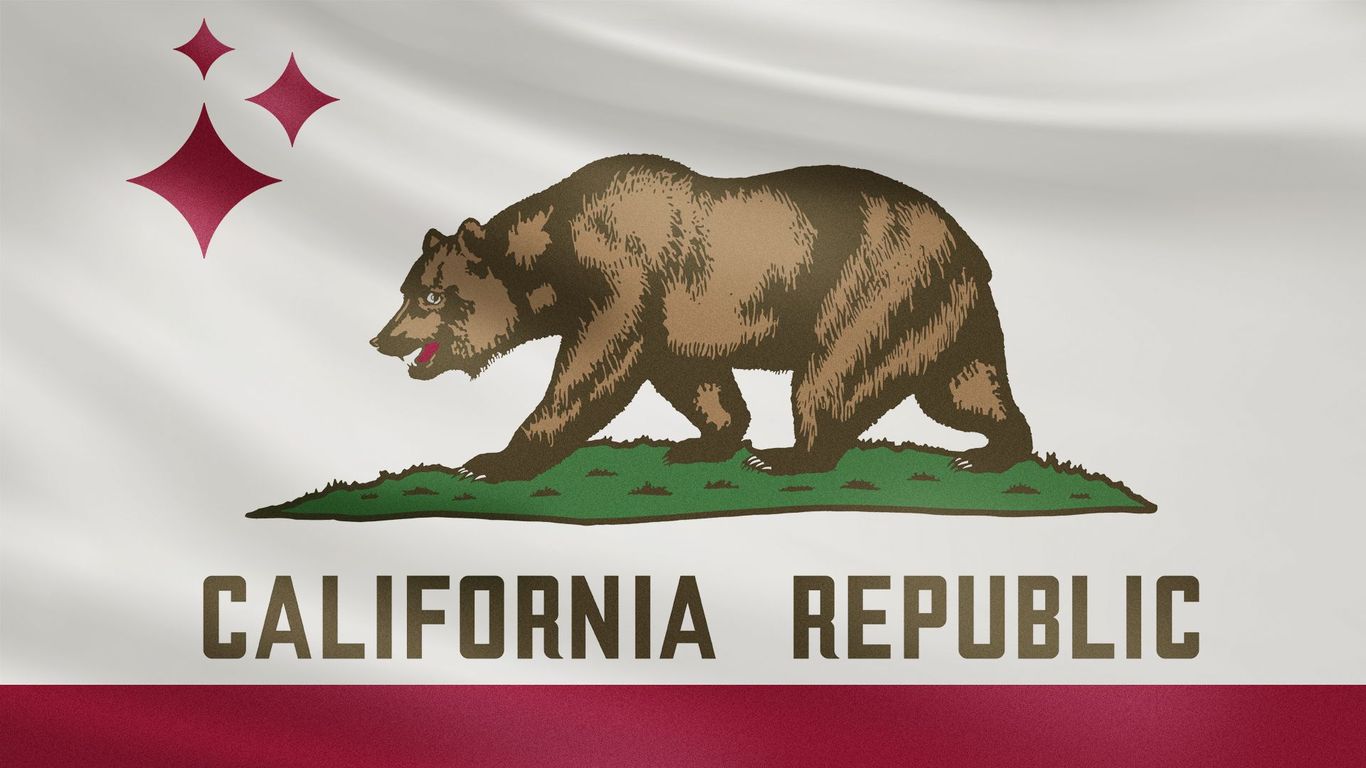
California is leading the charge in AI regulation with new policies that may set national standards. While the Trump administration pushes for a unified federal approach, California's independent path is shaking up the tech industry.
California isn’t just waiting for tech regulation to evolve. It's taking charge. With a fresh executive order from Governor Gavin Newsom, California is setting the stage for AI regulation that the rest of the country might have no choice but to follow. While the Trump administration is pushing for a broad federal AI framework, it seems the Golden State is determined to dictate its own terms.
The California Blueprint
Newsom's new executive order aims to strengthen AI protections, making it clear that companies wanting to do business in California must adhere to stringent standards. The order emphasizes transparency in AI practices, especially concerning illegal content distribution, model bias, and civil rights. It's a move that positions California as a leader, potentially forcing AI firms nationwide to align with its regulations.
Consider this: California's economy ranks as the world's fourth-largest. The message is clear. If tech companies want to play in this lucrative market, they need to prove their AI offerings are responsible and consumer-friendly.
Washington’s Position
Meanwhile, the Trump administration is caught in a balancing act. Their proposed national AI standard aims to consolidate power at the federal level, sidelining state efforts. Yet, with Congress deeply divided, a cohesive federal law remains elusive. As California forges ahead, it leaves Washington scrambling to keep pace.
Newsom, eyeing a 2028 presidential run, isn't shy about contrasting his approach with President Trump's. As he states, while some are busy crafting policies under the shadow of potential misuse, California's focus is on doing things right. But with AI giants like OpenAI and Anthropic deeply involved in legislative discussions, the influence of Big Tech looms large.
Impacts on the Industry
So, why should this matter? Because this isn’t just policy for policy's sake. It’s a seismic shift in how tech companies will operate within the U.S. market. If California's rules become the de facto standard, other states may follow, forcing companies to adapt or risk losing significant business.
Critics argue that Newsom's executive order may lack the legal bite necessary to enforce these changes. Yet, as Joseph Hoefer of Monument Advocacy puts it, the real power lies in procurement. California’s willingness to separate from federal procurement processes sends a potent signal. You want access to this economy? Show us your responsible AI practices.
California is stepping up while Washington steps back. In a world where AI’s place in society is under constant scrutiny, this proactive stance might just chart a course for others to follow. So, where does that leave us? With a state that's not just participating in the tech policy conversation, but leading it.
Get AI news in your inbox
Daily digest of what matters in AI.
Key Terms Explained
An AI safety company founded in 2021 by former OpenAI researchers, including Dario and Daniela Amodei.
In AI, bias has two meanings.
The AI company behind ChatGPT, GPT-4, DALL-E, and Whisper.
The practice of developing and deploying AI systems with careful attention to fairness, transparency, safety, privacy, and social impact.