California Leads AI Regulation with SB 53: A Proactive Step
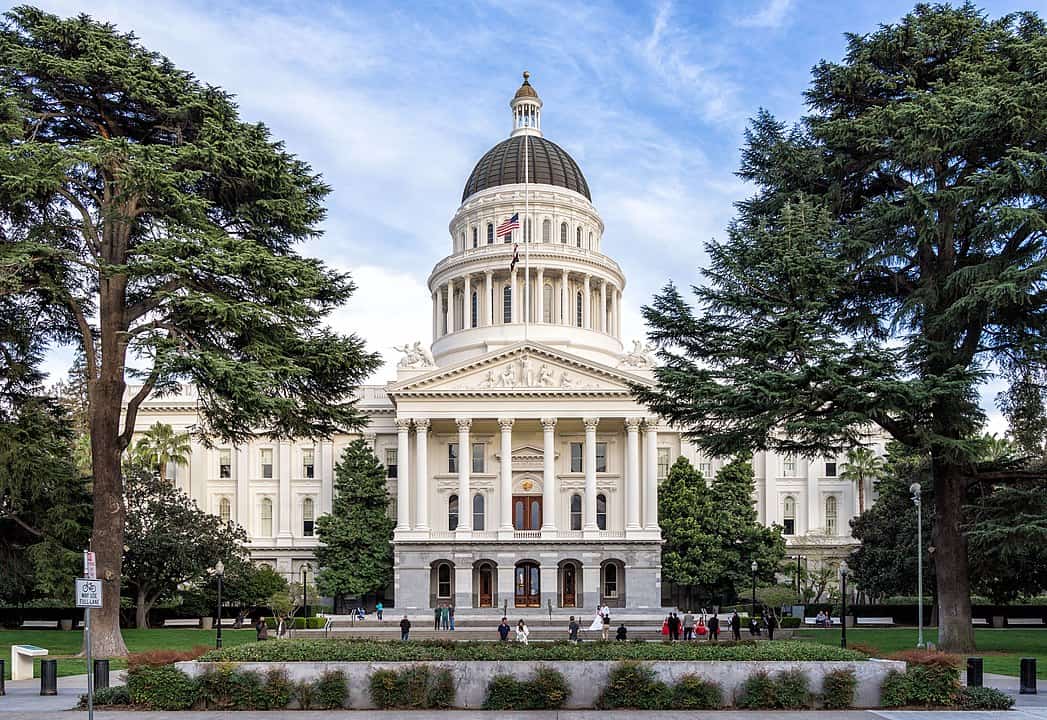
Governor Newsom's signing of SB 53 marks a significant move in AI regulation, highlighting bipartisan support for AI safeguards. The real challenge is whether federal standards will catch up.
California has taken a bold step with Governor Gavin Newsom's recent signing of SB 53, a piece of legislation poised to set a new benchmark for AI regulation in the United States. The demand for AI safeguards has been growing, and this move reflects that urgency. Importantly, this isn't just a partisan issue. A substantial 82% of Republicans believe in imposing limits on AI, while over 70% of voters overall support government intervention to set safety standards.
Why California's Move Matters
So, why should we care about this new law? It's a landmark moment in the regulation of advanced AI systems, a field that's been largely unregulated compared to other industries like pharmaceuticals and aviation. The court's reasoning hinges on the necessity of these protections, which every other major industry already enjoys.
The Senate's overwhelming decision to reject a proposal preventing states from taking individual action, with a staggering 99-to-1 vote, underscores the federal government's openness to letting states lead the charge. But here's the twist, states are acting because there's a void in federal leadership.
States vs. Federal: The Regulatory Tug of War
Without strong federal standards for AI safety, we're witnessing a regulatory tug of war between blue and red states. They're stepping up to fill the gap, addressing public demand for protections that shield our children, jobs, and communities from unchecked AI advances. But how long can states bear the weight of this responsibility alone?
Here's what the ruling actually means: SB 53 isn't just a set of rules. it's a call to action for federal lawmakers. It asks them to wake up and acknowledge the diverse voices demanding reliable AI governance. While states like California pave the way, the absence of a cohesive federal policy could lead to a patchwork of regulations.
The Future of AI Legislation
The precedent here's important. It sets the stage for future legislative efforts and serves as a reminder that regulation isn't an antagonistic force but a necessary framework for innovation to thrive safely. Will other states follow California's lead? And more importantly, will the federal government step in with a unified approach?
Until we see comprehensive federal action, expect states to continue bridging the regulatory gap. But the question remains: can state-level initiatives alone shape the future of AI, or is national leadership the missing piece in this puzzle?
Get AI news in your inbox
Daily digest of what matters in AI.
Key Terms Explained
The broad field studying how to build AI systems that are safe, reliable, and beneficial.
A standardized test used to measure and compare AI model performance.
The ability of AI models to draw conclusions, solve problems logically, and work through multi-step challenges.
A numerical value in a neural network that determines the strength of the connection between neurons.