Brockovich Map Raises Concerns Over AI Data Centers
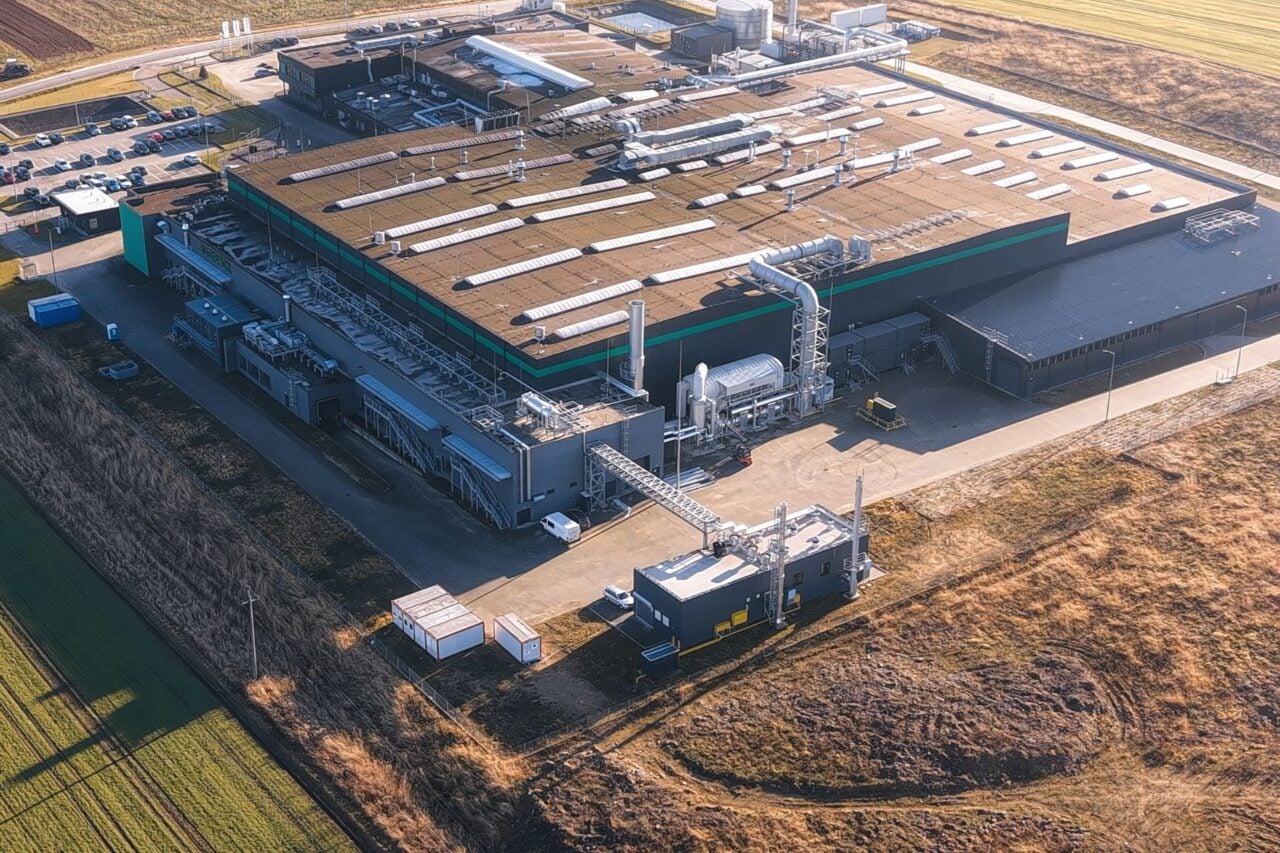
A new map links hyperscale AI data centers with community concerns. The visualization reveals potential environmental and social impacts.
Visualize this: major operational and planned hyperscale AI data centers overlaid on a map with community-reported concerns. That's what Erin Brockovich's latest map delivers. It's a potent visualization, offering a glimpse into the intersection between latest technology and community interests.
Data Centers Meet Community Voices
The map pinpoints the locations of these giant data hubs. It juxtaposes them against a backdrop of community-submitted reports detailing concerns. The resulting image is both a tool for transparency and a potential catalyst for dialogue.
Why should this matter? As AI continues to expand, these hyperscale centers grow as well. They consume vast resources and sometimes clash with local communities. Concerns range from environmental impacts like water usage and energy consumption to social issues like property values and local job disruptions.
The Environmental Question
Hyperscale data centers are notorious for their high energy demands. They require massive cooling systems, which often lead to significant water usage. The map invites us to ask: What's the environmental cost of our digital age?
Consider this: The tech sector's carbon footprint is already significant. As AI systems grow, their needs will only increase. Community concerns become more than just local issues, they're part of a larger environmental narrative. The trend is clearer when you see it through Brockovich's lens.
A Catalyst for Change?
Brockovich's map could be a turning point. With more visual data available, communities have a stronger voice. It's not just about complaining, it's about sparking conversations that could lead to policy changes or corporate accountability.
One chart, one takeaway: Merging community concerns with tech expansion isn't optional. It's necessary for sustainable growth. If we ignore these voices, we risk escalating conflicts that could stifle technological advancement.
So, what's next? Will tech giants heed this visual call to action? Or will communities need to amplify their voices further? The numbers, when put in context, suggest the time for dialogue is now.
Get AI news in your inbox
Daily digest of what matters in AI.