Britannica Takes Legal Aim at OpenAI, A Battle Over Intellectual Property
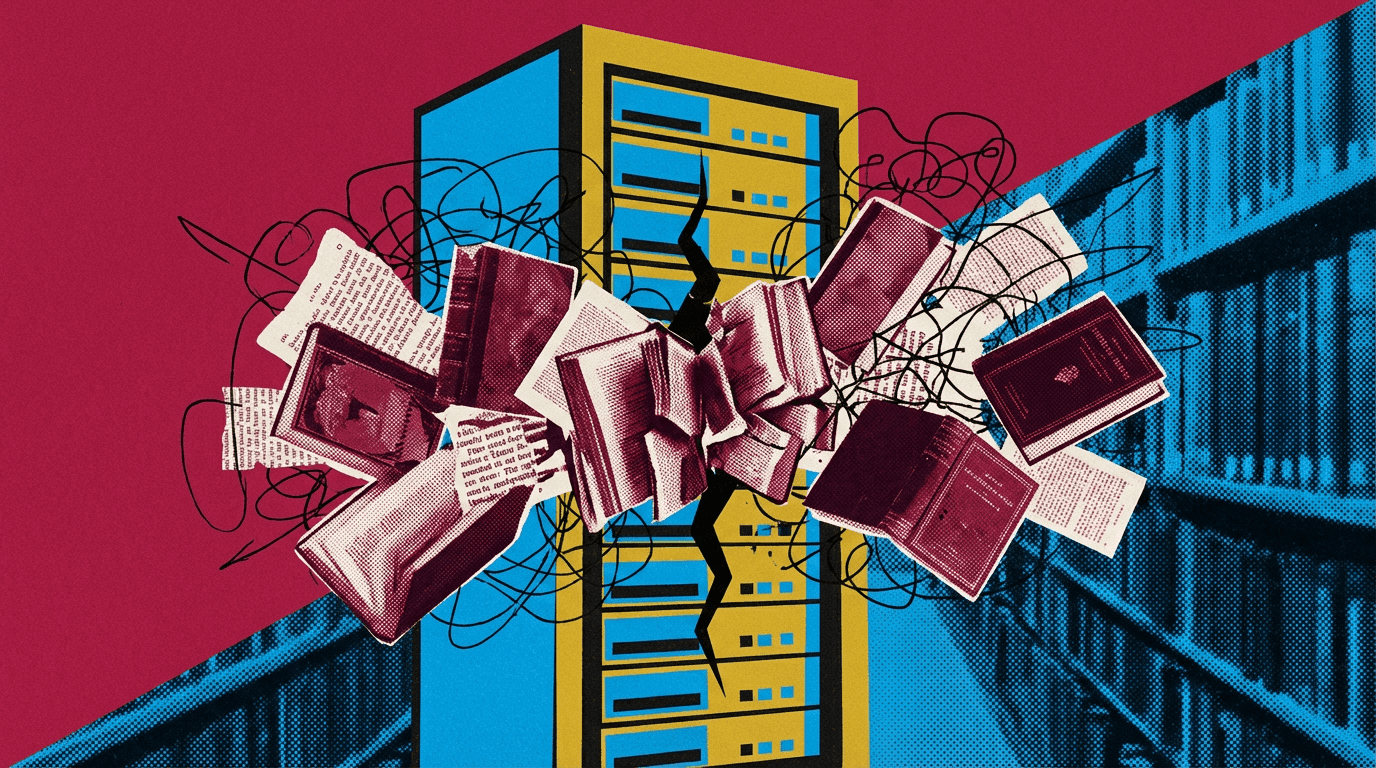
Britannica is suing OpenAI over nearly 100,000 articles used for AI model training. This lawsuit highlights ongoing legal debates about AI's role in handling copyrighted materials.
Britannica, the venerable encyclopedia publisher, has filed a lawsuit against OpenAI, alleging the company used almost 100,000 of its articles to train AI models without permission. The suit raises fundamental questions about the way AI interacts with copyrighted materials and the legal frameworks governing such interactions.
A Clash of Titans
Encyclopedia Britannica is no stranger to the digital age, having shifted from printed volumes to a solid online presence. However, the lawsuit against OpenAI signals that they won't sit idly by as AI firms potentially infringe on their intellectual property. Britannica's move underscores a growing tension between traditional content creators and AI developers who rely on vast datasets, often sourced from such creators, to refine their models.
At the heart of the issue is the question of whether AI systems can 'store' or even use copyrighted works during the training process. Courts in Europe are already seeing conflicting rulings in similar cases, muddying the waters further. If AI can hold a wallet, who writes the risk model? This legal battle might set precedents that shape AI and content industry intersections for years to come.
The Stakes for OpenAI
For OpenAI, the lawsuit could present both a financial and reputational risk. While the financial hit might be manageable for a company of its size, the reputational impact could be more damaging. If courts rule against OpenAI, it could trigger a wave of similar lawsuits from other content creators. On the flip side, a victory could embolden AI enterprises, potentially chilling the willingness of others to pursue legal action. Slapping a model on a GPU rental isn't a convergence thesis, but clearly, the stakes in this arena are high.
Why This Matters
Why should the average reader care about this legal scuffle? Beyond the courtroom drama, this case touches on the broader implications of AI's role in society. As AI systems become more prevalent, figuring out how they interact with human-created content will be turning point. The legal outcomes will inform not just AI companies, but also how content creators protect their works in an increasingly digital world.
Decentralized compute sounds great until you benchmark the latency. The question remains: how do we balance innovation with the rights of original creators? The resolution of Britannica's lawsuit against OpenAI might just bring us closer to an answer.
Get AI news in your inbox
Daily digest of what matters in AI.