Bridging the Gap: Why Robots Struggle with Real-World Vision
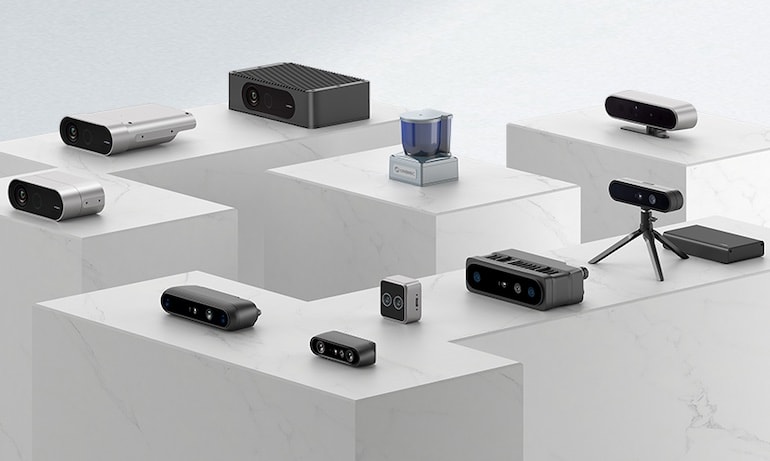
Robots excel in controlled settings, yet falter in unpredictable real-world environments. The challenge lies in their vision systems, which must evolve from ideal lab conditions to the chaotic nuances of warehouses and hospitals.
The scene is familiar. A robot, gliding with precision across a trade show floor, effortlessly identifies and places objects, much to the delight of investors and engineers. But once deployed, the real world proves far less accommodating than the polished demonstration.
The Real-World Vision Challenge
Robots often stumble when transitioning from controlled environments to the unpredictable nature of real-world settings. In labs, conditions are optimized with consistent lighting and predefined object positions. However, out in the wild, on warehouse floors or hospital corridors, the scenario changes dramatically. Shifting lights, reflective surfaces, and human movements introduce complexities that most robots aren’t prepared for.
Robotic perception must be reliable and task-specific. Instead of mimicking human sight, it should focus on measurable performance in genuine operational settings. This necessity is magnified by the vast differences between lab simulations and real-world applications.
Diverse Depth Sensing Technologies
Over the years, robotic vision technologies have evolved, each introducing solutions and challenges. The early reliance on 2D cameras gave way to methods like structured light and stereo vision. While these approaches work well in specific conditions, they falter with ambient light variations and reflective surfaces.
Time-of-flight (ToF) systems also offer promise, providing fast and dense depth measurements. Yet, they too face hurdles, such as dealing with multipath reflections and ambient infrared interference. The truth is, no single sensor is universally best. The choice depends on the task at hand, environmental conditions, and the specific challenges each robot will face.
What It Takes for Deployment Success
Deployment is where the rubber meets the road, revealing weaknesses that lab tests may have missed. Factors like black rubber, glossy packaging, and dynamic lighting can expose perception flaws. The essential question: Can the robot's perception stack consistently deliver reliable spatial information under real-world conditions?
For successful deployment, teams must rigorously test systems against a comprehensive range of scenarios. Lighting variations, surface textures, and environmental interferences all need consideration. Only through such thorough evaluations can robots hope to perform as impressively in the field as they do in demos.
While AI advancements in perception are commendable, they can't substitute for accurate measurement. A robot's ability to act safely and effectively hinges on its depth estimates being correct. Perhaps the future of robotic perception lies not just in tech advancements, but in systems that are aware of their own uncertainties, adapting gracefully to them. is: Are we building robots for the world they actually inhabit, or just for the showroom floor?
Get AI news in your inbox
Daily digest of what matters in AI.