Breaking the Code: AI's Struggle with Robot Control
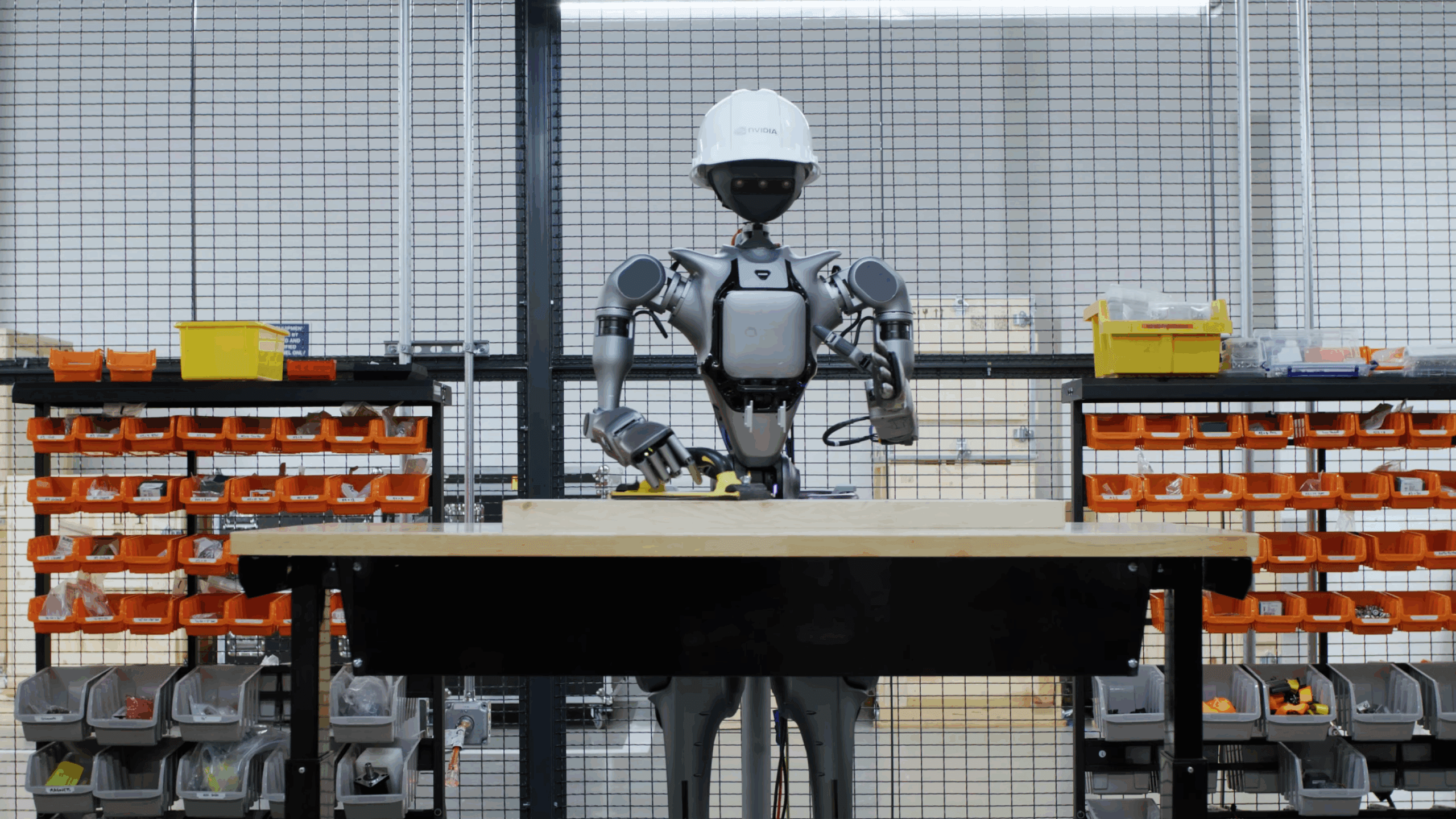
A collaboration between Nvidia, UC Berkeley, and Stanford reveals AI's limitations in robot control without human-designed abstractions. But there's hope in innovative compute scaling.
dance between artificial intelligence and robotics, a new framework developed by Nvidia, UC Berkeley, and Stanford is shining a critical light on the current state of AI models' ability to control robots. The results are challenging yet enlightening, heralding both caution and opportunity.
The Human Touch in AI
Without human-designed abstractions, even the most advanced AI models falter when tasked with directing robots through code. This revelation underscores a fundamental truth in the AI-robotics interface: human ingenuity is still key to guide machines effectively. It’s a humbling reminder that, for now, AI lacks the innate intuition and adaptability that human intervention provides.
Can robots truly function autonomously without a human scaffold? The better analogy is that of a symbiotic relationship, where human-designed frameworks aren't just beneficial but essential for success. This brings us to an intriguing crossroads in AI development.
Scaling the Compute
Enter targeted test-time compute scaling, a method that bridges the gap left by absent abstractions. By dynamically adjusting computational resources, this approach lends AI models the flexibility they sorely need. It’s a fascinating development, suggesting that while AI might stumble in a vacuum, its potential can be fully realized with strategic enhancements.
This isn’t just about making robots move. It’s about pushing the boundaries of what AI can achieve when paired with human ingenuity. To enjoy AI, you'll have to enjoy failure too. After all, the proof of concept is the survival.
The Future of AI and Robotics
As AI continues its relentless march towards autonomy, these findings challenge us to reconsider our approach. For every failure, there's a lesson, and for every lesson, a pathway to innovation. The collaboration between Nvidia, UC Berkeley, and Stanford isn't merely academic. it's a glimpse into the future where AI and human creativity coalesce.
Ultimately, the significance of this research stretches beyond mere technological advancement. It’s a story about collaboration, both human and machine, and a reminder that while AI can mimic intelligence, it’s the human touch that truly makes it come alive.
Get AI news in your inbox
Daily digest of what matters in AI.