BrainOS Clean 2.0: Revolutionizing Robotic Floor Cleaning
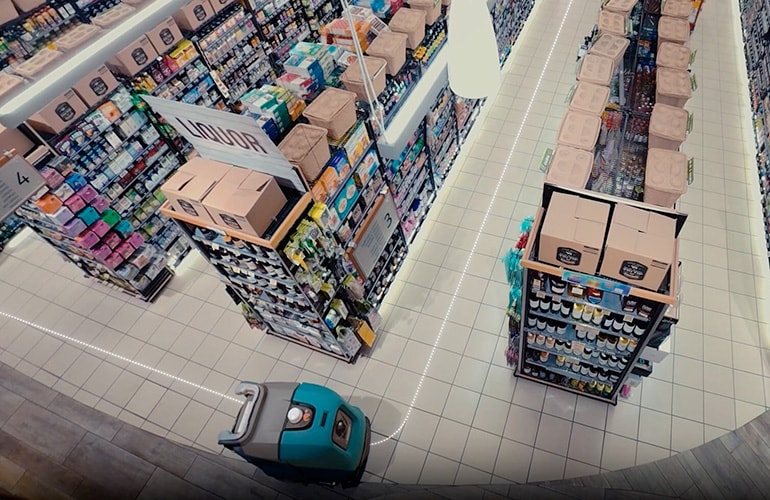
Brain Corp's latest update, BrainOS Clean 2.0, introduces SelfPath AI, dramatically enhancing the autonomy and efficiency of Tennant's robotic floor cleaners, promising faster deployments and improved performance.
In a bold move to speed up industrial automation, Brain Corp has unveiled BrainOS Clean 2.0, an innovative software update that introduces autonomous route generation to Tennant Co.'s robotic floor cleaners. This update is powered by the new SelfPath AI, enabling autonomous mobile robots to navigate and adapt to commercial environments without human intervention.
Autonomy Redefined
The introduction of SelfPath AI is a breakthrough, promising to accelerate fleet deployment speeds by over 300%. This isn't just about speed. it's about redefining the parameters of what's possible in robotic cleaning. No longer bound by manually taught routes, these robots can now independently chart their paths, ensuring increased coverage and smarter cleaning strategies.
David Pinn, CEO of Brain Corp, emphasized the commercial impact, stating, "Deployments happen faster, route retraining is eliminated, and cleaning performance is improved in dynamic environments." Clearly, this isn't just tech for tech's sake. It addresses real-world challenges, offering tangible benefits to businesses.
Key Features Driving Performance
BrainOS Clean 2.0 isn't just about autonomy for autonomy's sake. It combines enhanced AI with advanced visual intelligence and workflow integration, setting new standards in robotic performance. The update's key features include:
SelfPath AI:This feature eliminates the need for manual training, allowing robots to independently plan and refine their cleaning paths.
Enhanced Visual Perception:Robots develop a contextual understanding of their surroundings, boosting both safety and cleaning efficiency.
Dynamic Replanning and Recovery:Robots can navigate around obstacles without interruptions, maintaining effortless operations.
Workflow-aware Automation:The system integrates with existing operations, supporting automatic charging and schedule-based functionality.
Together, these capabilities mean robots can operate more consistently, requiring minimal staff intervention. The result? A more efficient, responsive cleaning solution.
Measurable Impact and Future Implications
Initial deployments of BrainOS Clean 2.0 have shown remarkable results. The software improves performance by 22%, adapting autonomously to environmental changes and expanding cleaning coverage. Self-sufficient robots are no longer a sci-fi fantasy. they're a reality, offering a 55% boost in autonomy and reducing the need for manual interventions.
Pat Schottler, Tennant Company's senior vice president of Robotics, praised the advancements, noting that they unlock new levels of intelligence and responsiveness. "By enabling continuous adaptation to real-world conditions, BrainOS Clean 2.0 allows us to deliver a more efficient autonomous solution," Schottler stated.
But what does this mean for the future of industrial automation? As robots become smarter and more adaptable, the potential for reducing human labor in monotonous tasks grows exponentially. Are we ready for a world where robotic efficiency outpaces human capability?. Yet, the trajectory is clear: as robotic technology advances, businesses must adapt or risk being left behind.
Get AI news in your inbox
Daily digest of what matters in AI.