Bioinspired Robots: Mintchev's Quest for Environmental Harmony
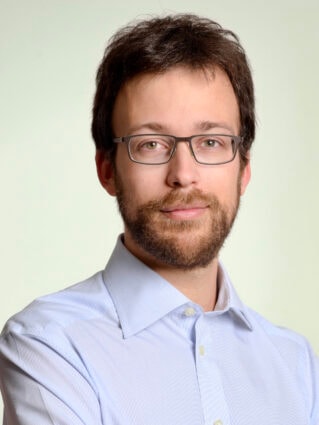
Stefano Mintchev at ETH Zürich is pioneering bioinspired robotics to monitor and sustain natural resources. His work at the intersection of robotics and environmental science aims to offer scalable solutions for a better future.
Robotics and environmental science are converging in exciting ways. Stefano Mintchev, an Assistant Professor at ETH Zürich, stands at this intersection. With a Ph.D. in Bioinspired Robotics from Italy's Scuola Superiore Sant’Anna and postdoctoral research at EPFL in Switzerland, Mintchev is on a mission to monitor and sustain the natural environment through advanced robotic technology.
Innovative Approach to Robotics
Mintchev's research at ETH Zürich isn't just about building machines. It's about drawing inspiration from nature to create robots that can navigate and adapt to complex environments. These bioinspired designs promise a more harmonious relationship between technology and nature, key at a time when environmental concerns are escalating. But can these innovations truly scale to meet global demands?
His team's work involves developing robots that mimic the versatility and efficiency seen in nature. By focusing on scalable technologies, the aim is to provide solutions that can be implemented broadly, not just in isolated projects. The marketing says distributed. The multisig says otherwise. It's about time the robotics field embraced the accountability it preaches.
Why Should We Care?
With climate change and resource depletion making headlines, Mintchev's work offers a glimmer of hope. But let's apply the standard the industry set for itself. How soon can these robots make a measurable impact on environmental conservation efforts? The burden of proof sits with the team, not the community, to demonstrate that these innovations are more than academic exercises.
As governments and organizations seek sustainable solutions, pressure mounts to convert theoretical research into practical applications. Mintchev's focus on sustainability and resource management isn't just timely. It's essential. But without transparency and track records of success, skepticism isn't pessimism. It's due diligence.
Ultimately, the real question is whether these robots will shift from the lab to the field efficiently. The world can't afford to wait. The time for action is now, and the responsibility lies with innovators like Mintchev to lead the charge.
Get AI news in your inbox
Daily digest of what matters in AI.