Autonomous Weaponry: ACS Bullfrog Takes Aim at Drone Threats
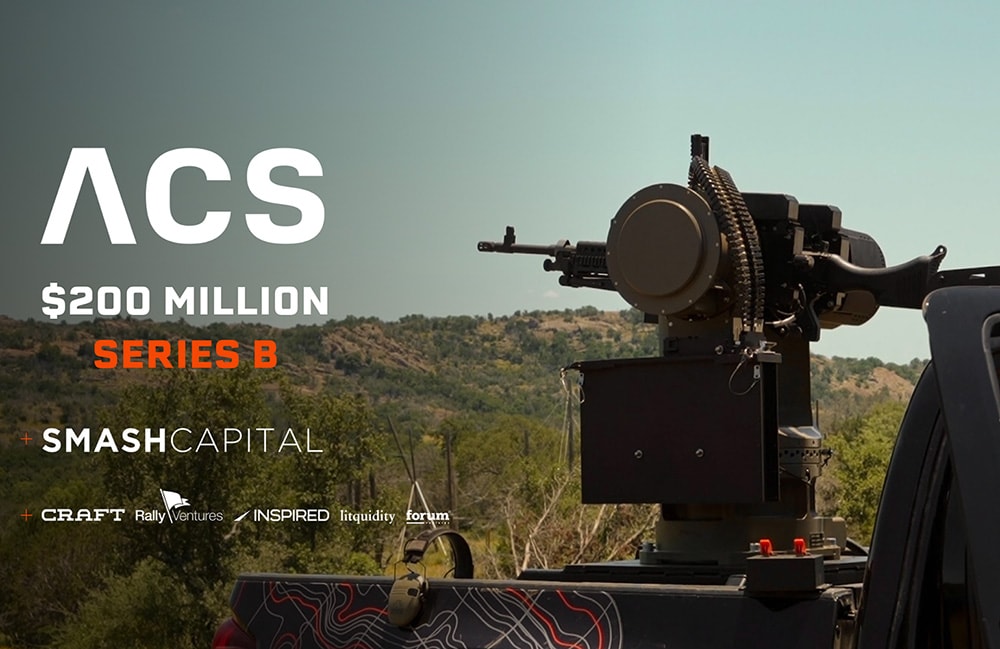
Allen Control Systems lands $200M to scale its Bullfrog counter-drone system, positioning it as a key player in modern warfare. But can it outpace evolving threats?
Allen Control Systems (ACS) has secured $200 million in Series B funding, propelling the company’s valuation to an impressive $2.2 billion. This financial injection aims to supercharge the production and deployment of Bullfrog, their autonomous weapon station designed to combat drone threats for the United States and its allies. With drone technologies rapidly advancing, has ACS found the key to staying ahead?
The Bullfrog Arsenal
Bullfrog is no ordinary defense mechanism. It blends AI, computer vision, and precision robotics into a lightweight, low-power station that targets enemy unmanned systems. ACS boasts that Bullfrog excels in fast-paced operations and protecting key infrastructure like power substations. With capabilities to engage group 1-3 unmanned aerial systems, it offers both autonomous and semi-autonomous modes.
“Drone threats are outpacing traditional defense systems,” said Mike Wior, CEO of ACS. He highlights the risk of devastating attacks both domestically and internationally. Bullfrog, he claims, provides a cost-effective solution using abundant ammunition rather than scarce missiles.
Backers and Market Demand
Smash Capital led the funding round, with existing investors like Craft Ventures and Rally Ventures continuing their support. ACS has already secured contracts through the Joint Interagency Task Force 401, and Bullfrog is operational with the U.S. Army and Navy. Notably, Bullfrog achieved a flawless 100% success rate during the Technology Readiness Experiment 2026.
Steve Simoni, ACS President, remarks on the surging global demand for remote weapon stations, emphasizing kinetic solutions as the go-to defense against low-cost weaponized drones. But if the AI can hold a wallet, who writes the risk model?
Scaling for Success
To meet the escalating demand, ACS is ramping up its manufacturing capabilities in Austin, Texas. The firm operates out of Austin, with additional offices in Alexandria, Virginia, and an innovation lab in Huntsville, Alabama. Paul Szurek, Partner at Smash Capital, believes ACS understands the trajectory of modern warfare, praising their ability to swiftly transition from development to deployment.
The intersection of AI and defense is real, but 90% of similar ventures are vaporware. ACS seems poised to be part of the vital 10% that truly matters. Yet, the question remains: can Bullfrog adapt as quickly as the threats it aims to neutralize?
Get AI news in your inbox
Daily digest of what matters in AI.