Autonomous Agents vs. Chatbots: The Reality Check
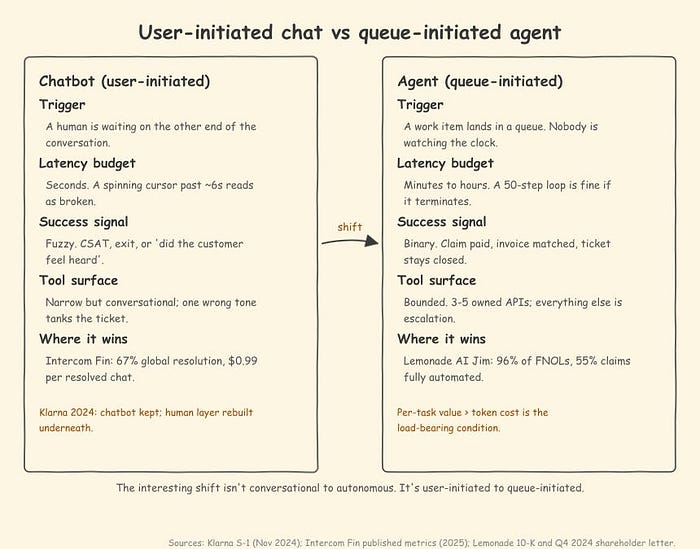
The hype around autonomous AI agents is clashing with reality. Chatbots remain key, especially in customer-facing roles, where full automation falters.
In May 2025, Sebastian Siemiatkowski, Klarna's CEO, reversed his earlier decision to replace customer service agents with AI. Despite initial claims that one AI assistant could do the work of 700 people, humans are back in Klarna's workforce. The numbers, frankly, show a different story.
Klarna's AI Experiment
By late 2024, Klarna's headcount dropped from 5,527 to 3,422. Yet, the all-AI customer support narrative didn't hold up. The chatbot remained, but the full replacement idea fizzled. It turns out, AI's limitations in nuanced customer interactions are glaring. Emotional tickets, where being right isn't enough, highlighted the tech's shortcomings. Here's what the benchmarks actually show: AI falters where humans excel, in understanding and empathy.
Chatbots: Still Standing Strong
Despite the autonomous agent buzz, chatbots are far from obsolete. Intercom Fin reports a 67% resolution rate on 40 million conversations, with costs at just $0.99 per resolved query, compared to humans at $5 to $10. The architecture matters more than the parameter count here. Resolution, defined by Intercom, implies customer satisfaction but lacks a public audit. Yet, the numbers suggest chatbots are a viable option for user-initiated tasks.
The Legal Landscape
Consider Air Canada's 2024 legal case, where faulty chatbot advice led to a $650 CAD liability. The precedent is clear: when AI communicates directly with customers, legal risks are inevitable. This reality curtails full automation in customer-facing roles. The question is, are companies prepared to navigate these legal waters?
Strip away the marketing and you get a sobering view: autonomous agents may shine in back-office roles, but chatbots maintain their ground in customer interactions. The agent wave isn't subsuming support or sales just yet. AI's place in business remains, for now, behind the scenes. What does this tell us? The future of customer service isn't fully automated, it's hybrid.
Get AI news in your inbox
Daily digest of what matters in AI.
Key Terms Explained
AI systems capable of operating independently for extended periods without human intervention.
An AI system designed to have conversations with humans through text or voice.
A value the model learns during training — specifically, the weights and biases in neural network layers.