Are We Prepared for the Robot Revolution in Public Spaces?
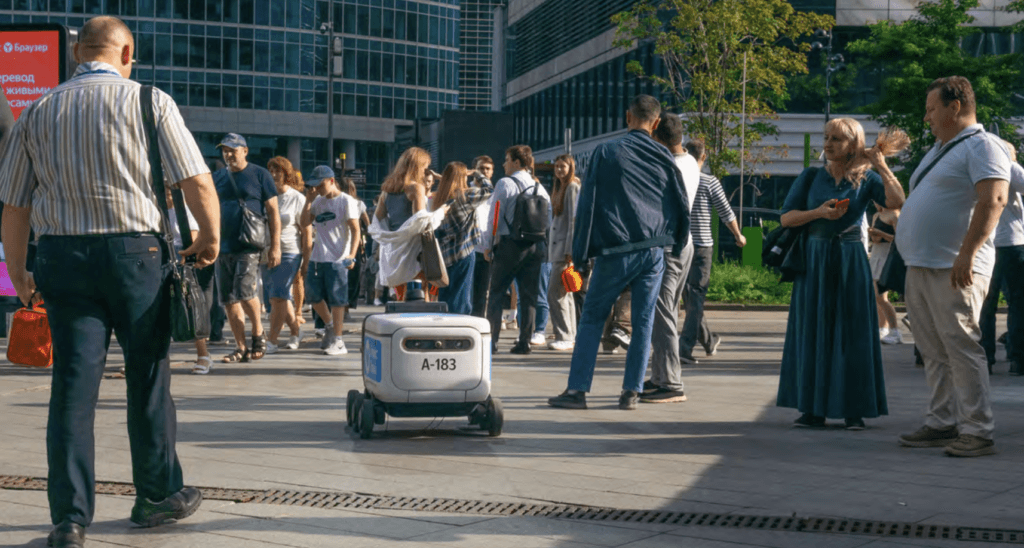
Robots are transitioning from factory floors to public areas, but are we ready? With regulations still murky, the expansion of robots into everyday life poses both opportunities and challenges.
Robots are stepping out of the controlled environments of warehouses and factories and making their presence felt on sidewalks, airports, and hospitals. This shift from pilot programs to full-scale deployment in public areas raises an essential question: are we ready for robots sharing our spaces?
Beyond the Technology
A recent study by ASTM International, MassRobotics, NIST, and the Urban Robotics Foundation highlights a critical issue. The gap between what robots can achieve and the infrastructure needed to support them is widening. This goes beyond the tech itself. It's about safety, accountability, public trust, and the glaring absence of consistent regulations.
The Regulatory Maze
Right now, companies and developers are trying to navigate a disjointed regulatory landscape. Regulations differ from one city to another, creating confusion. Who's responsible when things go wrong? What are the behavioral expectations for robots in public? These questions create friction not only for the developers but also for cities and the general public.
The real concern isn't just whether these robots will operate efficiently. It's whether they can scale their operations at all. Without clear governance, the technology's growth faces a significant roadblock. The consulting deck says transformation. The P&L says different.
What's Next?
Where do robots already roam? Autonomous vehicles and delivery bots are increasingly seen in major city centers. However, key risks and failure points remain in these shared spaces. The report suggests that governance may be the biggest hurdle, not technology. The ROI case requires specifics, not slogans. So, what could a practical framework for public-space robotics entail? Clarity in regulation and responsibilities might just be the answer.
As robots become more familiar, the question isn't just about technical feasibility. It's whether our cities are prepared to embrace and integrate these machines into our daily lives. Are we ready for the future? Without a doubt, it's time for regulators to catch up with the pace of innovation. The gap between pilot and production is where most fail.
Get AI news in your inbox
Daily digest of what matters in AI.