Apple's New AI Framework: What Developers Need to Know
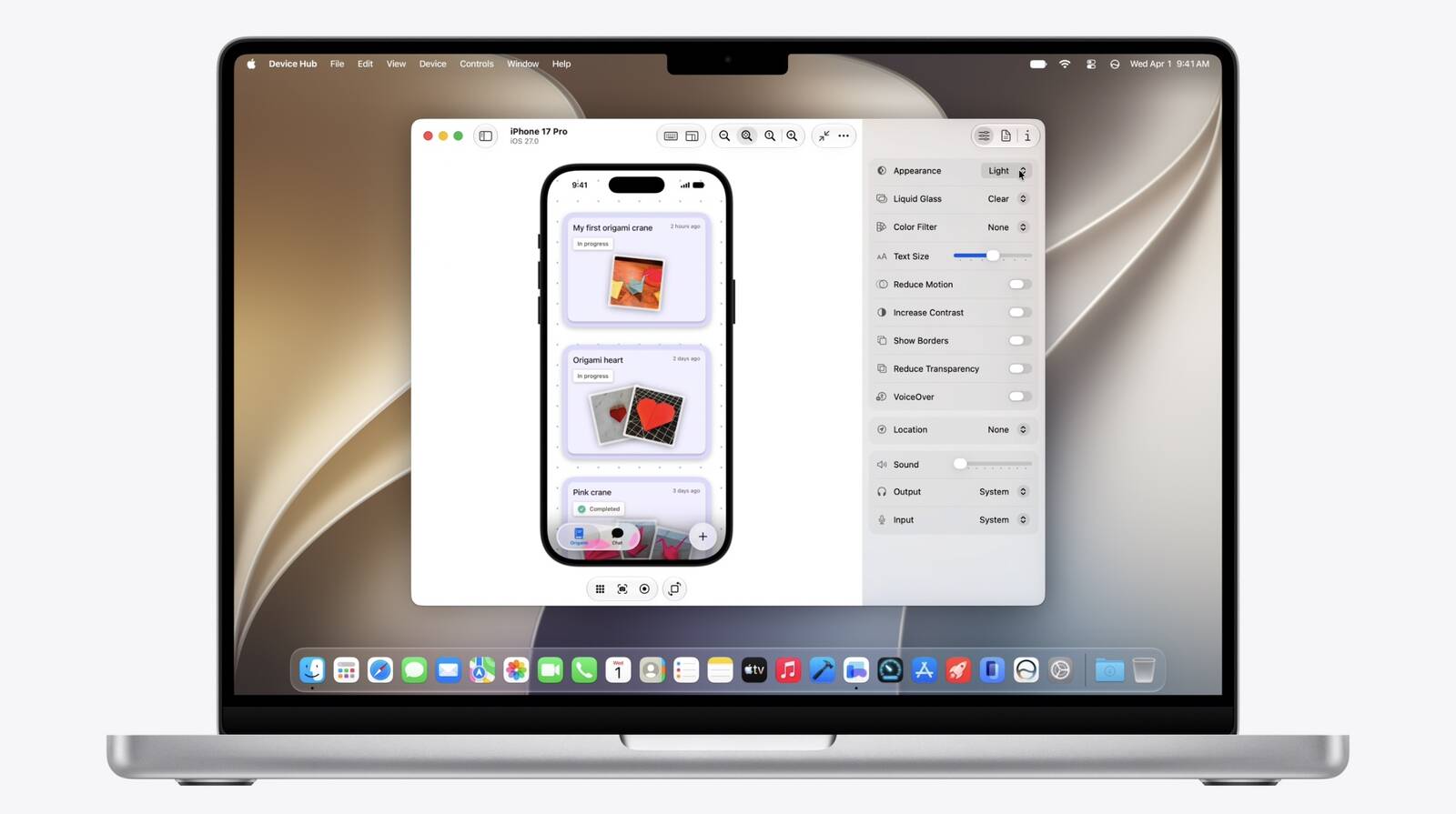
Apple's latest Xcode enhancements introduce the Foundation Models framework, aiming to boost agentic coding with new AI capabilities.
Apple has rolled out significant updates to its Xcode environment, introducing the new Foundation Models framework. This move is designed to empower developers with more advanced AI capabilities right on the device. The standout feature? Image input support, enabling a blend of text and visuals for a richer AI experience.
Advancements in AI Capabilities
The Foundation Models framework doesn't stop at image input. Apple's also providing custom skills and server-side model execution. This means developers can tailor their AI integrations more precisely to their apps' needs. Frankly, it gives them the flexibility that's been missing.
But here's where Apple might be setting the stage for something bigger: the introduction of a new Core AI framework. While details are scant, it's clear Apple wants to solidify its position in the AI space. The architecture matters more than the parameter count, and Apple's betting on solid frameworks to lead the way.
Xcode's Enhanced Functionality
Xcode, Apple's integrated development environment, has also seen some notable upgrades. It now supports app localization within its coding assistant, allowing for interaction with simulated devices. Developers can extend these capabilities with custom skills, suggesting a trend towards more personalized and efficient development processes.
Apple's SVP of Software Engineering, Craig Federighi, claims Xcode is now the 'best place' for agentic coding. The reality is, with these updates, Xcode is indeed more appealing for developers aiming to speed up their workflows.
Implications for Third-Party Apps
Perhaps the most intriguing aspect of these announcements is the expanded support for App Intents. This feature allows third-party apps to integrate with Siri, offering users new ways to interact with their apps. The question is, will developers fully embrace this capability?
Apple mentions apps like Line as examples of this integration. But the numbers tell a different story. Without widespread adoption, these capabilities remain underutilized. The onus is on developers to exploit these new tools to their fullest potential.
In short, Apple's latest updates reflect a clear push towards enhancing the developer experience through AI. Whether these changes will revolutionize app development or merely tweak. However, with the foundation laid, the potential for innovation is significant.
Get AI news in your inbox
Daily digest of what matters in AI.