Apple's Bold Move: Siri AI Gets a Gemini Overhaul
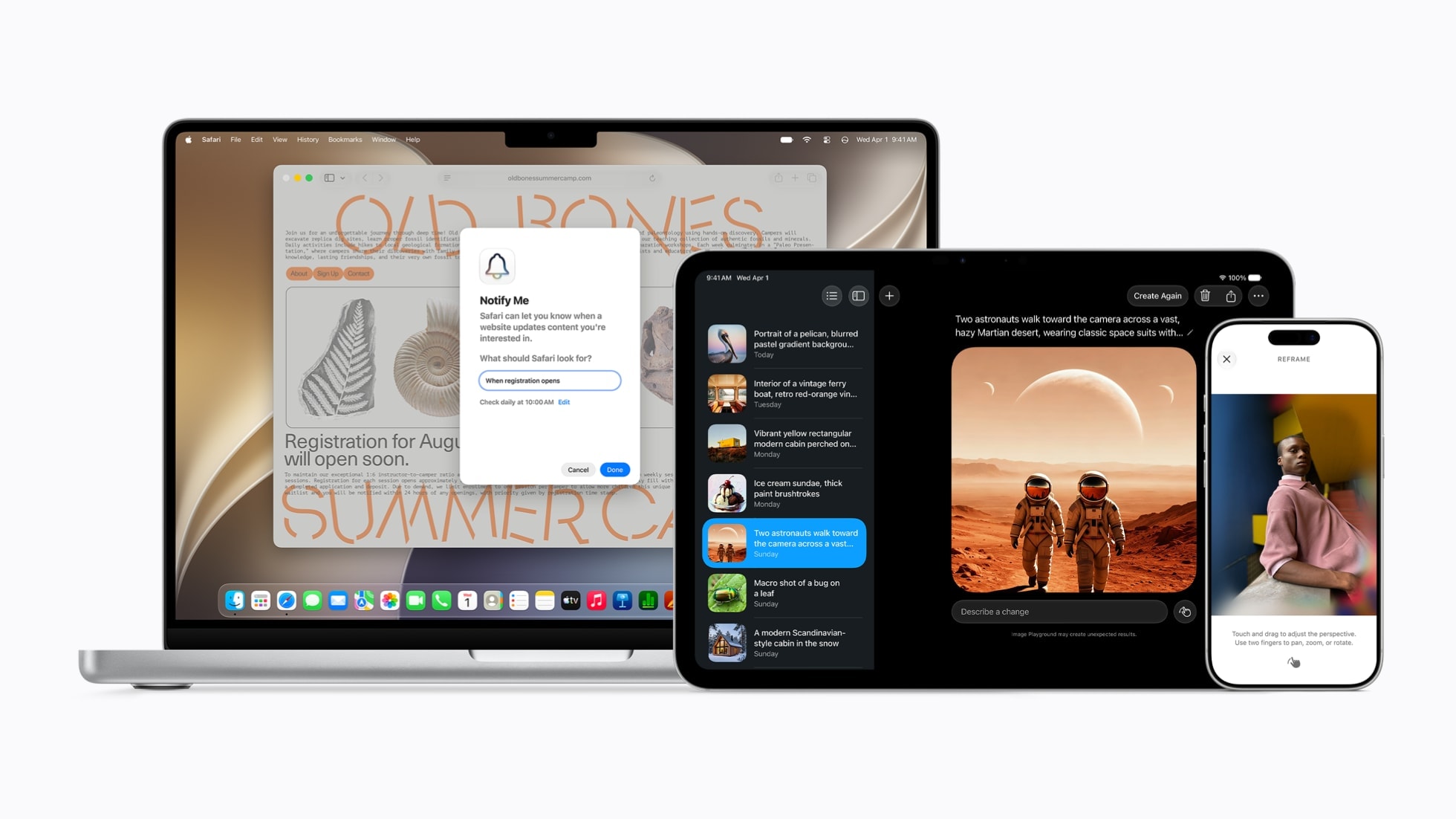
At WWDC 2026, Apple revitalizes its AI strategy with a revamped Siri AI, using Gemini architecture to redefine personal assistance.
Apple Inc. took the spotlight at WWDC 2026, unveiling a reinvigorated Siri AI that promises to redefine the personal assistant landscape. Built on the Gemini architecture, this marks a significant shift in Apple's AI strategy, putting Siri back at the forefront.
A New Era for Siri AI
For years, Siri has been more of a background figure in the AI race. Today, Apple aims to change that narrative. With the introduction of Siri AI, Apple isn't only updating its digital assistant but also signaling a renewed focus on AI-driven user experiences. The Gemini architecture underpins this transformation, offering a solid framework that enhances how Siri interacts with users.
This isn't just an incremental update. It's a convergence of AI capabilities that promises to make our interactions with technology more fluid and intuitive. The AI-AI Venn diagram is getting thicker. Apple's move indicates a determination to catch up and perhaps leapfrog competitors in the digital assistant space.
Why the Gemini Architecture Matters
Gemini’s architecture is more than a buzzword, it's the backbone of a shift towards a more integrated AI experience. By adopting this architecture, Apple sets the stage for a new level of personalization and prediction in user interactions. This kind of architecture doesn't just support current functionalities but anticipates future needs, ensuring that Siri AI remains relevant as user expectations evolve.
So, why should this matter to the average user? In a world increasingly driven by AI, having a more intuitive and responsive digital assistant could revolutionize everyday tasks, from scheduling to smart home management. We're building the financial plumbing for machines, and Siri AI is one of the first beneficiaries.
Implications for the AI Race
The introduction of Siri AI based on Gemini architecture isn't merely a product launch, it's a strategic maneuver in the broader AI landscape. With this move, Apple isn't just playing catch-up. It's attempting to set a new standard for digital assistants. But can Siri AI truly leapfrog its rivals? If agents have wallets, who holds the keys?
As Apple repositions Siri, questions about privacy, data security, and AI ethics will inevitably come to the fore. How Apple navigates these challenges could define not just Siri's success but also shape the future of AI interactions more broadly. The compute layer needs a payment rail, and Apple's investment in AI infrastructure might just be the missing link.
This isn't a partnership announcement. It's a convergence. Apple's pivot with Siri AI signals a future where digital assistants don't just respond but anticipate and adapt to our needs in ways we've only begun to imagine. how this will play out in the AI arms race, but one thing's clear: Apple's commitment to reshaping the digital assistant is unwavering.
Get AI news in your inbox
Daily digest of what matters in AI.