Apple's Bold Move: Opening the AI Gates for iPads and Macs
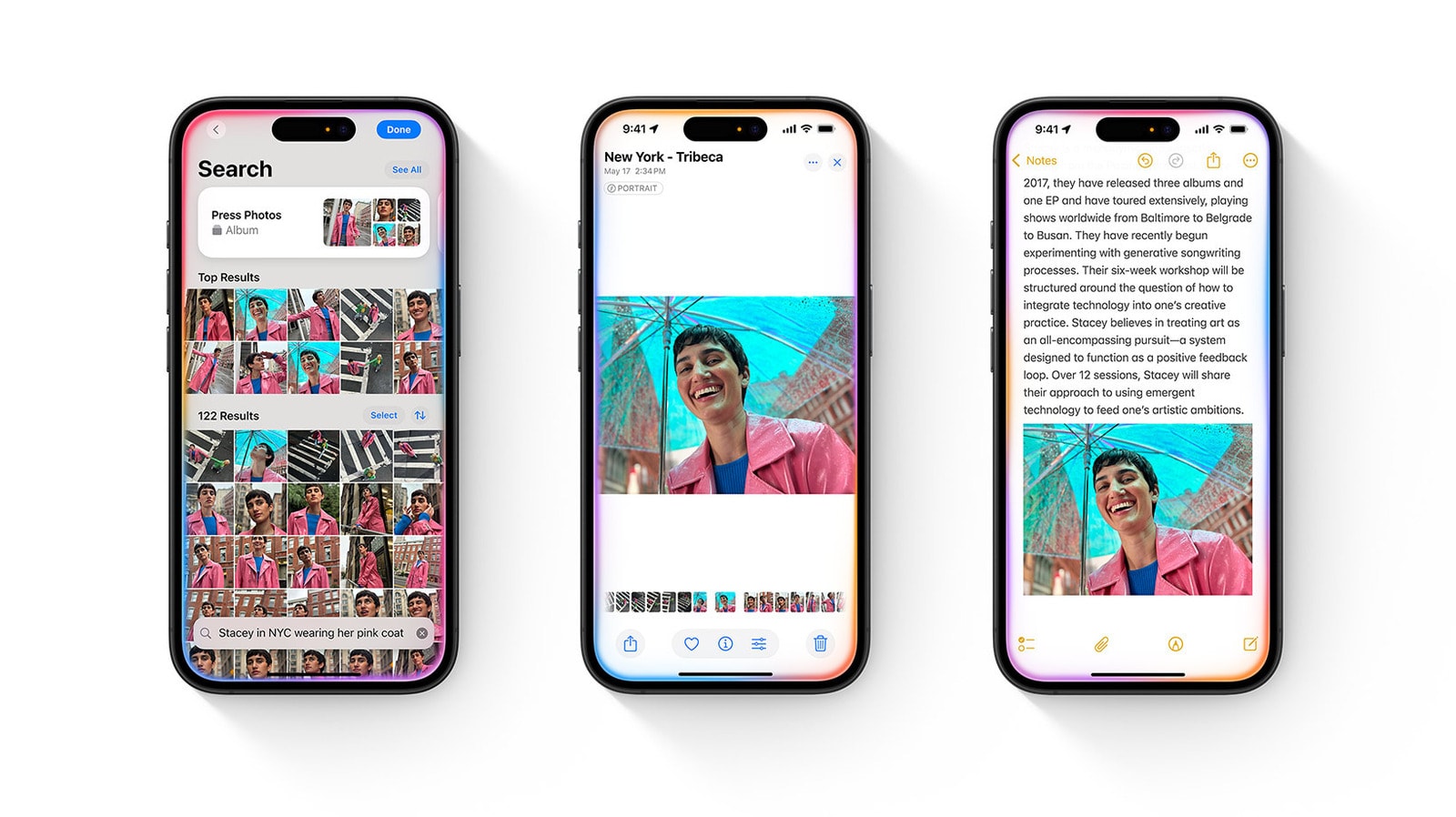
Apple is reportedly set to allow third-party AI models on its iPads and Macs. This could redefine user experiences and increase pressure on in-house AI development.
Apple is reportedly on the brink of a strategic pivot that might shake up the AI landscape within its ecosystem. Speculation is rife that the tech giant will soon permit the use of third-party generative AI models on its iPads and Macs. If true, this move couldn't only redefine the user experience across these devices but also intensify the pressure on Apple's own AI development teams.
Opening the Floodgates
In an era where AI capabilities are rapidly evolving, Apple's decision to allow external AI models could be both a blessing and a curse. On one hand, it enables users to tap into a broader array of AI-driven functionalities. From content generation to advanced personal assistants, the possibilities are vast. But this also raises questions about the control Apple will cede over its tightly knit ecosystem.
If users can choose AI tools beyond Apple's proprietary solutions, what incentivizes them to stick with in-house options? This move could potentially gamble away some of the brand loyalty that Apple has meticulously crafted over the years. Yet, it also opens doors for innovation, challenging developers worldwide to create models that might outperform Apple's own.
Why This Matters
Let's talk about convenience. Imagine a world where your MacBook or iPad isn't just a device but a dynamic platform capable of personalized AI interactions tailored to your needs. By embracing external AI models, Apple could transform its devices into more than just tools. They could become intelligent companions.
But here's the kicker: if the AI can hold a wallet, who writes the risk model? Allowing third-party AI integrations raises security, privacy, and reliability questions. Users will demand transparency and assurances that their data remains protected when using non-Apple AI models. This isn't just a technicality. it's a trust issue that Apple must navigate with precision.
The Competitive Edge
While Apple's potential shift toward supporting external AI models may initially surprise some, it's a strategic move that aligns with the broader industry trend. Google's Android has long championed flexibility and integration with third-party services. By opening up its ecosystem, Apple couldn't only enhance its competitive position but also drive innovation among AI developers eager to capitalize on the user base of one of the world's leading tech companies.
However, slapping a model on a GPU rental isn't a convergence thesis. The real challenge lies in how Apple will balance openness with the integrity of its ecosystem. Will it maintain quality control while fostering external innovation? As the tech community waits for official confirmation, the implications of this potential update are already rippling through the industry.
Get AI news in your inbox
Daily digest of what matters in AI.