Apple's AI Can Now Fix Your Passwords, but Is It Safe?
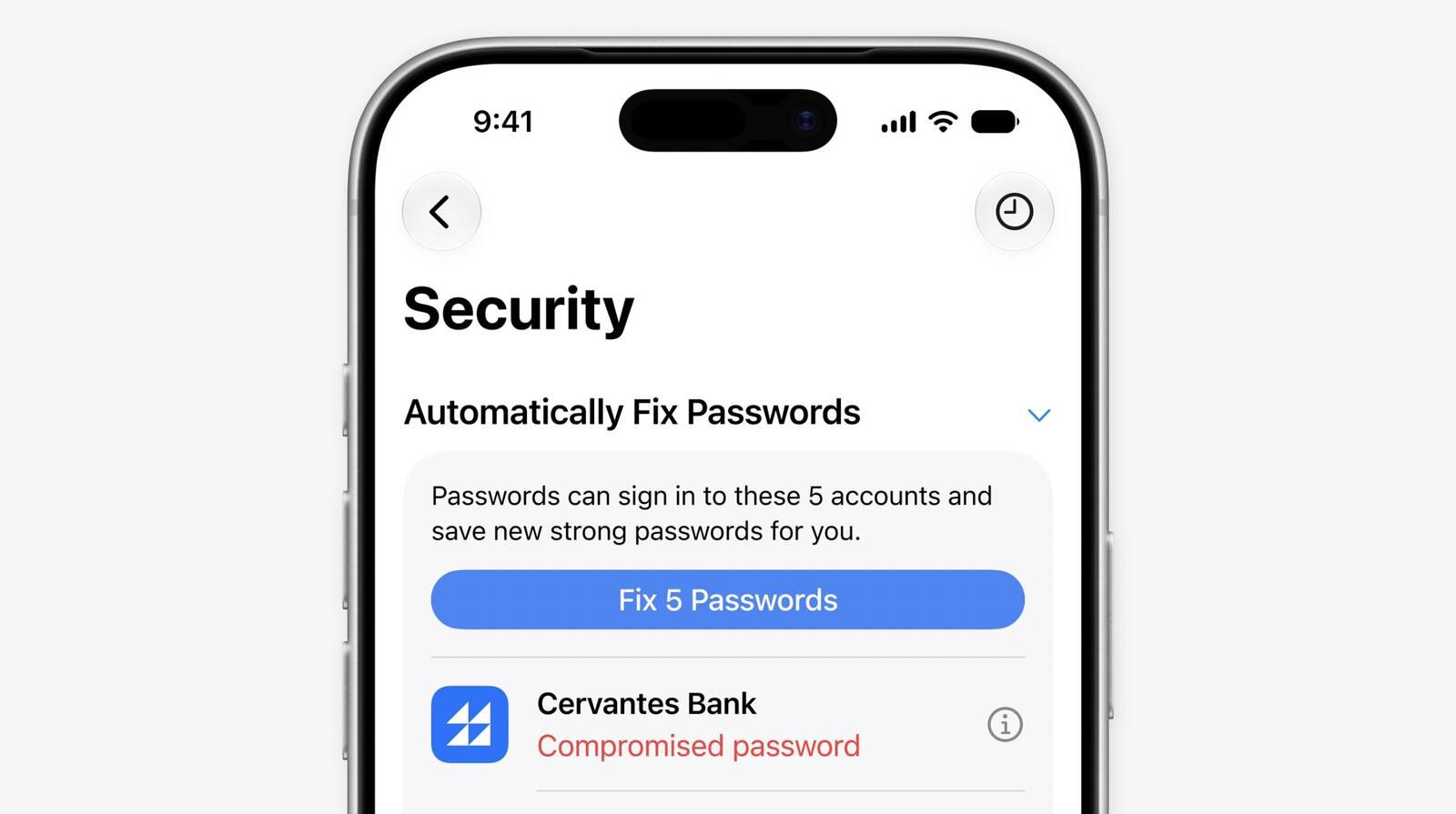
Apple introduces agentic AI to automatically fix passwords, enhancing security but raising privacy concerns. Who controls your digital keys now?
Apple continues its push into AI with a new feature that automatically corrects weak passwords. Announced on June 8, 2026, this advancement leverages what Apple calls 'agentic AI.' It claims to not just identify passwords that are weak or reused but to fix them autonomously. Sounds convenient, but let's dig deeper.
The AI Revolution in Security
Passwords are the Achilles' heel of digital security. Apple's AI aims to tackle this long-standing issue by dynamically strengthening passwords as users navigate the web. The promise here's clear: reduce the risk of hacks due to human error. But does this AI-driven solution really secure our digital lives, or are we just handing over another layer of control?
This isn't just a convenience feature. If implemented effectively, it could thwart countless phishing attempts and brute force attacks. But, and it's a big 'but,' what about the metadata? When Apple's AI crawls through your digital keys, what else does it see? If the AI can hold a wallet, who writes the risk model?
Trust and Control
Apple's brand is built on privacy, but automated security measures might blur the lines. Passwords are personal, yet here we're considering letting an AI manage them. It's a step towards more agentic systems, yet questions linger about trust and data control. Are we ready to let AI decide what's best for our digital security?
Let's not forget: slapping a model on a GPU rental isn't a convergence thesis. Real safety comes from the interplay of well-designed systems and user trust. Apple may reduce password fatigue, but users need assurance that their data remains their own. So what happens when a glitch occurs? Who's accountable when AI makes a mistake?
Looking Ahead
June 8, 2026, might be a milestone in AI-driven security, but it's also a wake-up call. As we march towards more AI autonomy, it's important to assess the implications on privacy and control. The intersection is real. Ninety percent of the projects aren't.
In the end, it's not just about stronger passwords. It's about rethinking who controls our digital lives. As AI continues to evolve, the stakes will only get higher. Show me the inference costs. Then we'll talk.
Get AI news in your inbox
Daily digest of what matters in AI.