Apple Makes Automation Easier with Natural Language Shortcuts
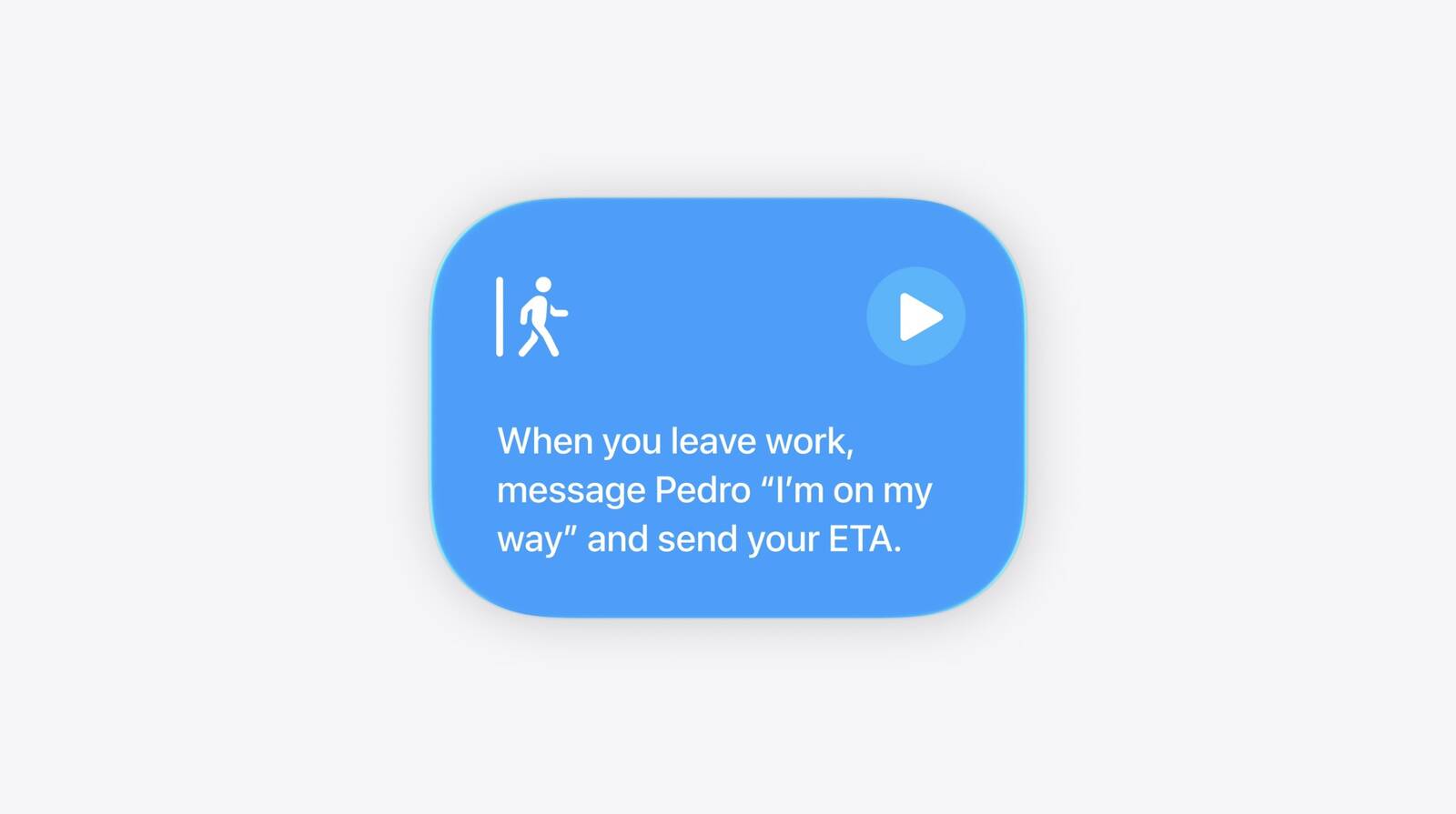
Apple has simplified its Shortcuts app by letting users describe automations in plain language. This moves automation from techies to everyone.
Apple is flipping the script on how its Shortcuts app works. No longer just for those who speak fluent computer, the app's getting a major update. Users can now describe their desired automations in natural language, and Apple Intelligence will handle the heavy lifting in the background.
What This Means for Users
Up until now, creating a Shortcuts automation meant diving into the nitty-gritty details, building workflows bit by bit. It's the kind of thing that tech enthusiasts love to tinker with, but it leaves a lot of people out. Now, with natural language processing, Apple is opening the doors wide. Want your phone to text your ETA to your partner every time you leave work? Just tell it to do that, and voila, Apple Intelligence does the rest.
Think about it. Who doesn't want to save time and avoid the repetitive hassle of setting up these routine tasks? And let's be honest, it's a smart move from Apple. By making automation more accessible, they're pulling in more users who might've been intimidated by the previous complexity.
The Broader Impact
This isn't just about making life a little easier. It's about democratizing technology. Automation isn't neutral. It has winners and losers. In this case, Apple's move could be a win for those who don't have a tech degree but still want to take advantage of tech's benefits.
But here's the kicker. This also raises the bar for other tech companies. If Apple can create an intuitive way to automate our busy lives, what's stopping others? Tech firms need to keep up or risk getting left behind in a cloud of dust.
Looking Forward
Apple's update is set to roll out soon. For the skeptics who doubt the ease of use, this could be a major shift. Yet, there's always a catch. Do these advancements mean we're inching closer to a world where we're too dependent on tech? Do we lose some element of control when machines start thinking for us? Maybe. But if it makes life easier, people are likely to embrace it.
Ask the workers, not the executives. They're the ones who stand to gain from tools that make mundane tasks vanish. The productivity gains went somewhere. Not to wages, but perhaps to a better work-life balance.
Get AI news in your inbox
Daily digest of what matters in AI.