Anthropic's Claude: A National Security 'Threat' or a Privacy Marvel?
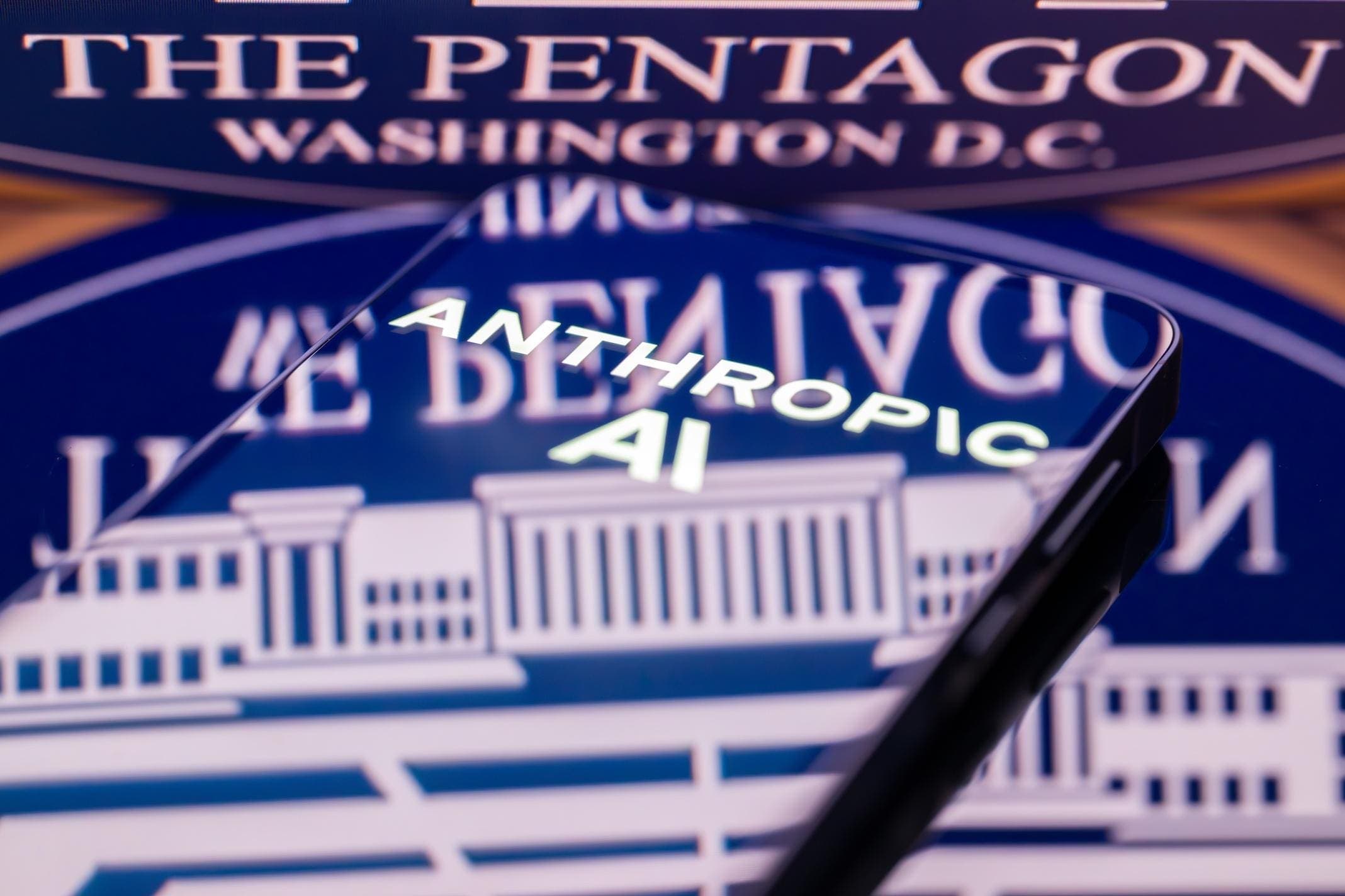
The U.S. government sees Anthropic's refusal to allow all uses of its AI, Claude, as a national security risk. But is this a genuine concern or an attack on privacy?
In a bold move, the U.S. government has put Anthropic under the spotlight, arguing that its AI, Claude, poses a risk because the company won't open the floodgates to 'all lawful uses.' Why should this catch your attention? Because it pits national security against privacy rights, and the implications could be far-reaching.
Anthropic's Stand
Anthropic's decision to restrict access to Claude for certain uses hasn't gone down well with Uncle Sam. In a hefty 40-page court filing, the government contends that this makes the company too risky for integration into national security systems. But what are they really saying? They're essentially claiming that an AI that's not completely transparent is a liability.
Now, let's break that down. Claude is built with privacy at its core. It doesn't just scatter data around like confetti. And that's precisely what makes it a standout in the crowded AI field. If it's not private by default, it's surveillance by design. So, is it really Anthropic that's the risk, or the demand for absolute access?
The Privacy Debate
You might wonder, why not just comply? After all, national security is at stake, right? But here's the twist: financial privacy isn't a crime. It's a prerequisite for freedom. Anthropic's refusal to permit all uses is a stance against unbridled surveillance, and that's a stance worth applauding.
Consider this: the chain remembers everything. That should worry you. If every AI system is laid bare for government use, where does that leave individuals and companies who value their privacy? In a world where data is currency, guarding it's more than just good practice, it's essential.
Risk or Resilience?
So, is Claude a risk or a marvel of privacy? The government's argument hinges on the notion that anything not fully accessible is inherently dangerous. But if history has taught us anything, it's that blanket access seldom leads to security. Instead, it often paves the way for overreach.
By standing its ground, Anthropic is making a statement. They're not banning tools. They're banning math. And in doing so, they're challenging the notion that national security always trumps personal privacy. The bigger question remains: in the pursuit of safety, are we willing to give up our rights to privacy?
Get AI news in your inbox
Daily digest of what matters in AI.
Key Terms Explained
An AI safety company founded in 2021 by former OpenAI researchers, including Dario and Daniela Amodei.
A mechanism that lets neural networks focus on the most relevant parts of their input when producing output.
Anthropic's family of AI assistants, including Claude Haiku, Sonnet, and Opus.