Anthropic's AI: Bridging the Skill Divide or Widening the Gap?
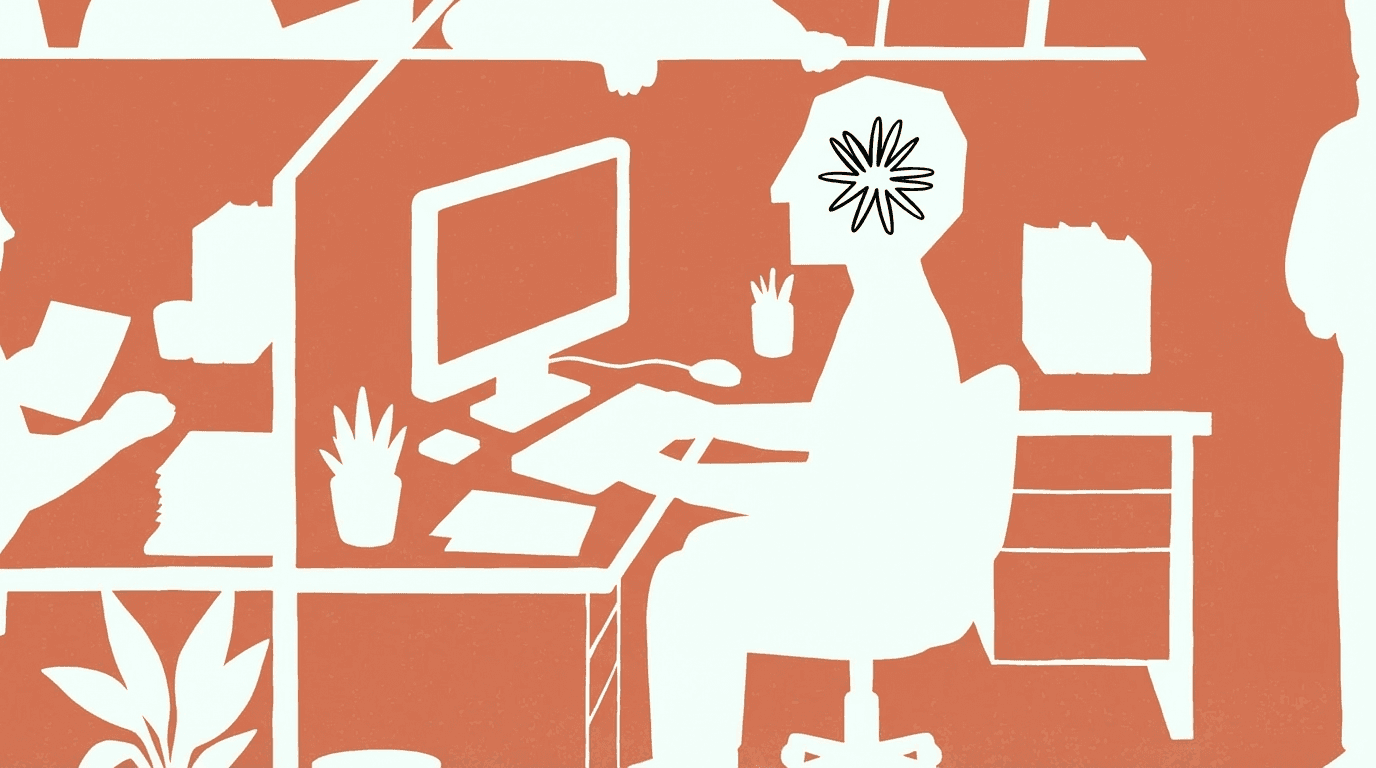
Anthropic's latest findings suggest AI proficiency increases with use, potentially widening economic disparities. Is AI the great equalizer or does it deepen inequalities?
Anthropic has released its second Economic Index, shedding light on an intriguing yet concerning trend: the longer individuals or organizations employ the AI model known as Claude, the more adept they become, yielding better results over time. While this may sound like a win for productivity, it raises critical questions about the broader implications for economic inequality.
The Learning Curve Effect
Anthropic's data reveals a positive correlation between time spent using Claude and the quality of outcomes achieved. Essentially, proficiency with this AI tool builds over time, a fact that's hardly surprising given the ways in which technological skills are honed. However, this seemingly straightforward conclusion could have more nuanced implications.
For those with the resources to engage deeply with AI technologies, the potential for continuous improvement and competitive advantage is significant. But what happens to those on the periphery, without the same access or capacity to integrate such tools into their operations?
Implications for Economic Disparity
Herein lies a critical intersection with economic inequality. As AI tools like Claude become increasingly sophisticated, they require investment, not just in the software itself, but in training, time, and expertise. Companies and individuals that can afford this investment are likely to surge ahead, potentially leaving others further behind. The phrase 'the rich get richer' takes on a new digital dimension.
Anthropic's findings raise an essential question: Is AI serving as a great equalizer in our economy, or is it reinforcing existing divides? While the technology promises efficiency and enhanced capability, access and skill development often follow socio-economic lines, potentially exacerbating existing inequalities.
Looking Ahead
As we grapple with the integration of AI into our economic fabric, it's important to consider how access to technology and the ability to develop proficiency can be democratized. The promise of AI is great, yet without careful consideration, its benefits may not be evenly distributed.
What strategies can be employed to ensure that AI tools serve to bridge, rather than widen, economic gaps? Policymakers and industry leaders would do well to ponder this deeply. As Brussels moves slowly, it's only a matter of time before these questions become central to regulatory discussions. The passporting question is where this gets interesting, as harmonization strategies must consider such disparities at the intersection of technology and economy.
, while Anthropic's data provides valuable insights into the evolving landscape of AI usage, it also serves as a clarion call to address the disparities that may arise from its uneven adoption. The stakes are high, and the time to act is now.
Get AI news in your inbox
Daily digest of what matters in AI.
Key Terms Explained
An AI safety company founded in 2021 by former OpenAI researchers, including Dario and Daniela Amodei.
Anthropic's family of AI assistants, including Claude Haiku, Sonnet, and Opus.
The process of teaching an AI model by exposing it to data and adjusting its parameters to minimize errors.