America's Economic Resilience Amid Global Turmoil: What's the Secret?
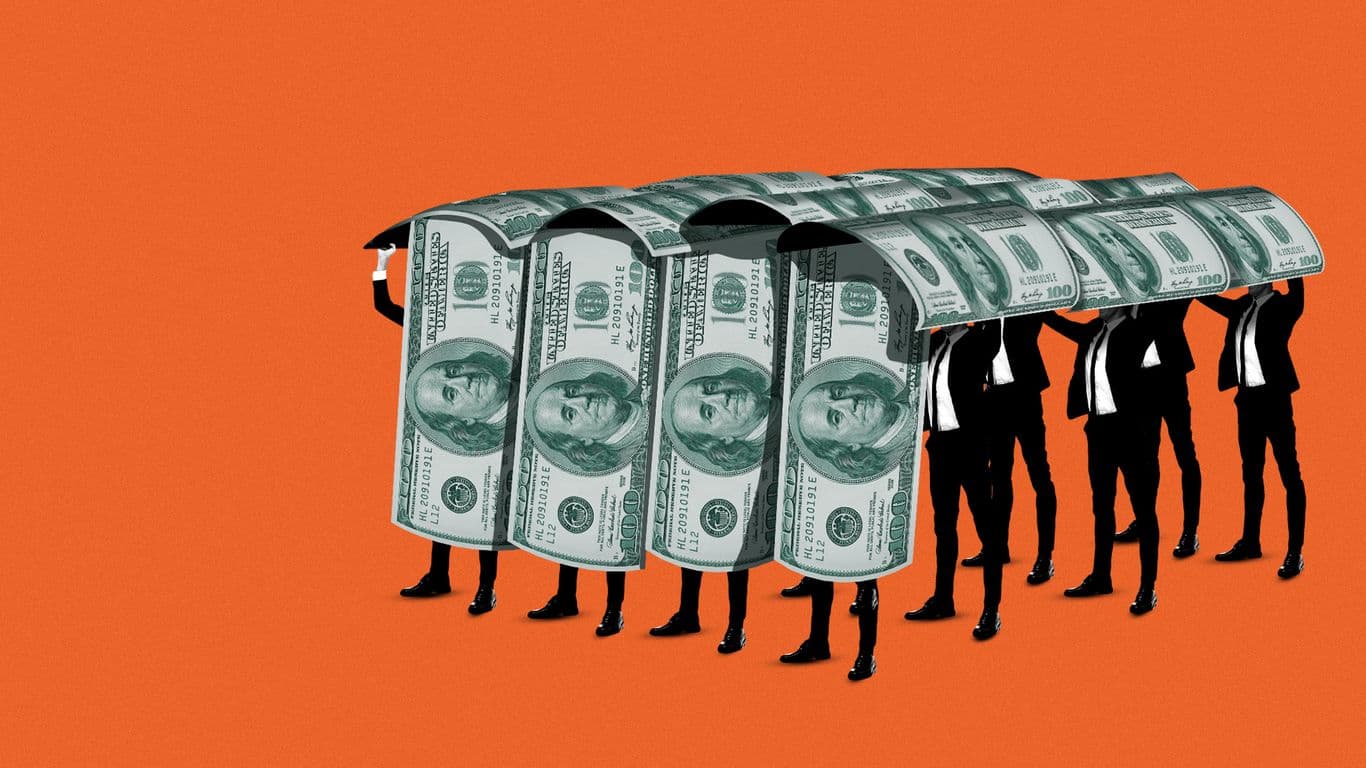
Despite geopolitical tension and rising oil prices, the U.S. economy shows resilience, with steady growth and unemployment at historical lows. What fuels this robustness?
If you've been betting on a U.S. recession, recent years have likely left you scratching your head. The economy has shown remarkable resilience, weathering rate hikes, conflicts, and trade wars with aplomb.
The Resilient Giant
The U.S. economy's strength lies in its vast scale and diversity, enabling it to adapt and thrive amid crises. This adaptability is about to be tested again, as tensions with Iran threaten global oil supplies. The price of oil has surged 43% this month, closing at over $103 a barrel, reflecting concerns over potential disruptions in the Strait of Hormuz.
Yet, history suggests that the U.S. economy has a knack for bouncing back. Despite challenges like upended trade orders, central bank independence questions, and the AI employment threat, growth continues. February's unemployment rate was 4.4%, lower than 72% of monthly rates since the 1940s.
What Fuels the Machine?
The numbers tell an interesting story. GDP growth, while soft in late 2025, is projected to rise at a 2.7% rate in Q1 2026, according to the Atlanta Fed. This is despite numerous predictions of economic downturns. A global pandemic was the only event to cause a recession in the last 17 years, and even that was the shortest on record.
Why does the U.S. keep chugging along? One factor is energy independence. The U.S. is now a net oil exporter, positioning it favorably during oil price surges. Additionally, creative supply chain rerouting and cost absorption have mitigated the impact of new tariffs. Even the bond market remains optimistic, with 10-year Treasury notes at 4.28%.
Global Influence and Domestic Policy
The U.S.'s central role in the global economy can't be overstated. Foreign investors looking to capitalize on the AI boom have limited options but to invest in U.S. firms, driving billions into sectors like data center construction. Furthermore, last year's tax cuts have spurred growth despite widening fiscal deficits.
However, not all is rosy. Consumer sentiment surveys reveal a disconnect between economic metrics and public perception, pointing to deep-seated pessimism. Could geopolitical risks, like sustained conflict in the Persian Gulf, or AI-induced job displacement, derail the economic juggernaut? These are indeed concerns, yet the natural state of the $30 trillion U.S. economy is forward momentum.
So, what keeps the U.S. economy resilient in the face of adversity? Is it sheer size, diversity, or something else entirely? The data shows that it's a bit of everything, with adaptability as its core strength. In this ever-changing global landscape, the real question is, how long can it sustain this robustness?
Get AI news in your inbox
Daily digest of what matters in AI.