AMD's Latest GPU and the Shrinkflation Squeeze
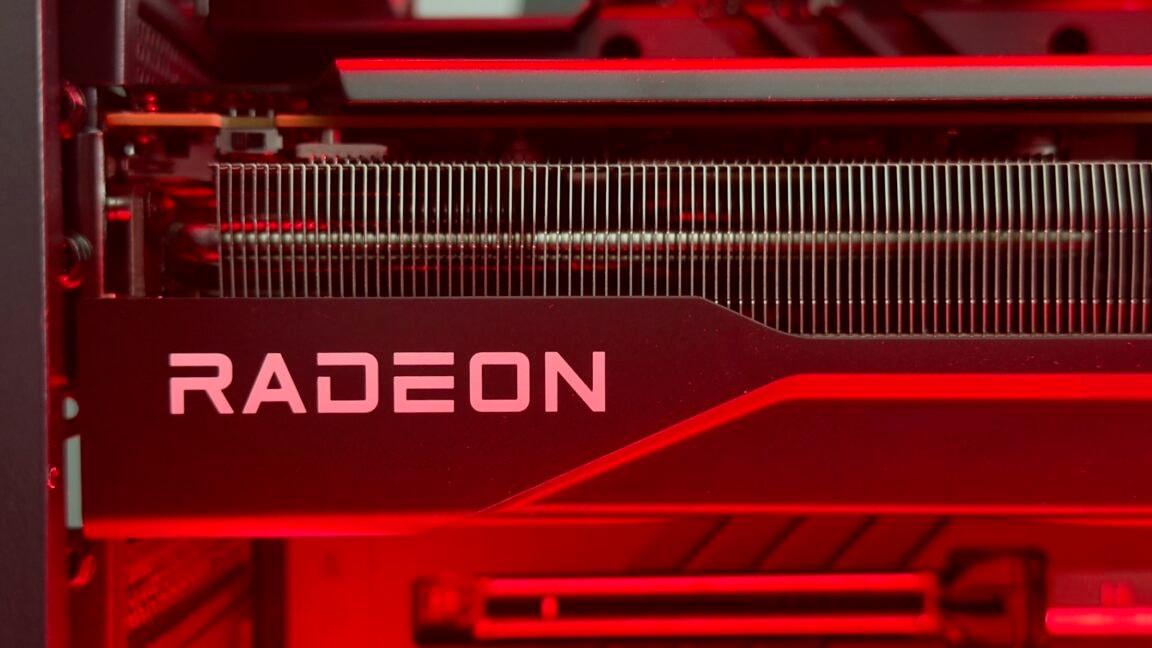
AMD's new Radeon RX 9070 GRE debuts at the same price as its predecessor but offers less for your money. Is this the tech industry's version of shrinkflation?
Shrinkflation isn't just sneaking around grocery aisles anymore. It's hit the tech world, and AMD's latest GPU launch is a prime example. Meet the Radeon RX 9070 GRE, a card that flaunts the same $549 price tag as its older sibling, the RX 9070, but with far less punch. This might feel familiar if you've noticed your favorite snack getting smaller with each purchase.
The Shrinkflation Breakdown
It's hard to miss the numbers. The RX 9070 GRE sports 85% of the GPU cores, 75% of the memory, and merely 66% of the memory bandwidth compared to the original RX 9070. If you're an AMD fan, it's like paying full price for a half-full bag of chips. The GRE's been floating around in China's market for about a year, but now it's hitting the shelves in the U.S., and it's bringing a higher price tag for less power.
Why This Matters
Why should we care? Simple. We're shelling out the same cash for a downgraded product. It's a blatant sign of the times. The GPU market's been hammered by AI-driven RAM shortages and price hikes, making PC building a painful journey. No one likes paying more for less, yet here we're.
Is This the New Normal?
This move by AMD begs the question: Is shrinkflation in tech here to stay? The trend isn't isolated to groceries anymore. This is a warning shot to consumers and competitors alike. Prices are creeping up, but the value isn't. AMD's latest launch might just say more about the industry's future than it does about the card itself.
Another week, another sign that tech companies are willing to gamble on customer loyalty. Will folks keep buying products that deliver less bang for their buck? I'll believe it when I see retention numbers. For now, AMD's gamble is a stark reminder: buyer beware.
Get AI news in your inbox
Daily digest of what matters in AI.