Amazon's Proteus Robot to Revolutionize European Warehouses
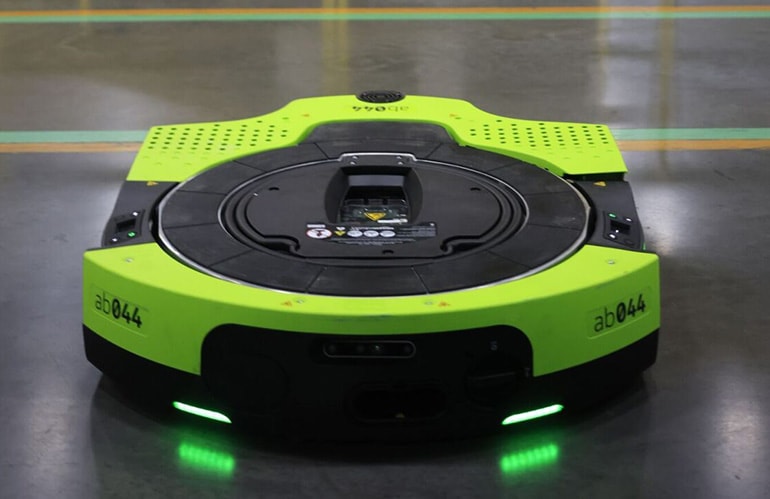
Amazon's Proteus robot gains natural-language functionality and is set to enhance logistics across Europe. Proteus, along with Vulcan and STARK, will modernize warehouse operations, improve worker productivity, and create thousands of jobs.
Amazon's Delivering the Future event in London brought forward a significant announcement: the Proteus autonomous mobile robot (AMR) has been upgraded to understand natural-language commands, opening up a new range of possibilities for warehouse operations. Proteus isn't just another robot. It's poised to reshape how logistics are managed across Europe.
Proteus: More Than Just a Robot
First introduced in 2022, Proteus was designed to handle heavy carts, enabling human workers to focus on more skilled tasks. Now, with its natural-language capability, Proteus can prioritize tasks and chart its own path within warehouses without complicated programming. This development isn't just a technological upgrade. It's a shift towards making AI more accessible in industrial settings. But why should we care? Because this evolution could redefine efficiency in the logistics sector.
Amazon plans to deploy Proteus in Europe by mid-2024. Currently active in 24 e-commerce fulfillment centers in the U.S., the robot's expansion is part of Amazon's broader strategy to integrate AI and robotics into daily operations. The company isn't stopping with Proteus. It's expanding its Vulcan and STARK systems, further embedding robotics into its infrastructure.
Vulcan and STARK: A Broader Robotics Strategy
Vulcan, described by Amazon as its first robotic system with a sense of touch, is already in use in Hamburg, Germany. This robot can navigate tight spaces and handle complex tasks, like picking and placing items with precision. STARK, a collaborative tote-handling system, originated as an employee-driven innovation and is set to be deployed in 15 European sites by 2027.
These robots promise to enhance productivity while ensuring safety. Surgeons I've spoken with say the transition from manual to automated systems often meets resistance. Yet, Amazon's approach might demonstrate how robots can complement, not replace, human workers.
Investment in the Future
Amazon's commitment is clear. The company is investing over €10 billion in modernizing its European operations and plans to hire 25,000 more employees. This isn't just about technological advancement. It's about creating a sustainable workforce amid growing automation.
So, what's the takeaway? Amazon's move is a testament to how AI and robotics can coexist with human labor, potentially setting a new standard in the industry. Will competitors keep up, or is this a lead too significant to challenge?
Get AI news in your inbox
Daily digest of what matters in AI.