AI's Role in Dog Cancer Treatment: Hope or Hype?
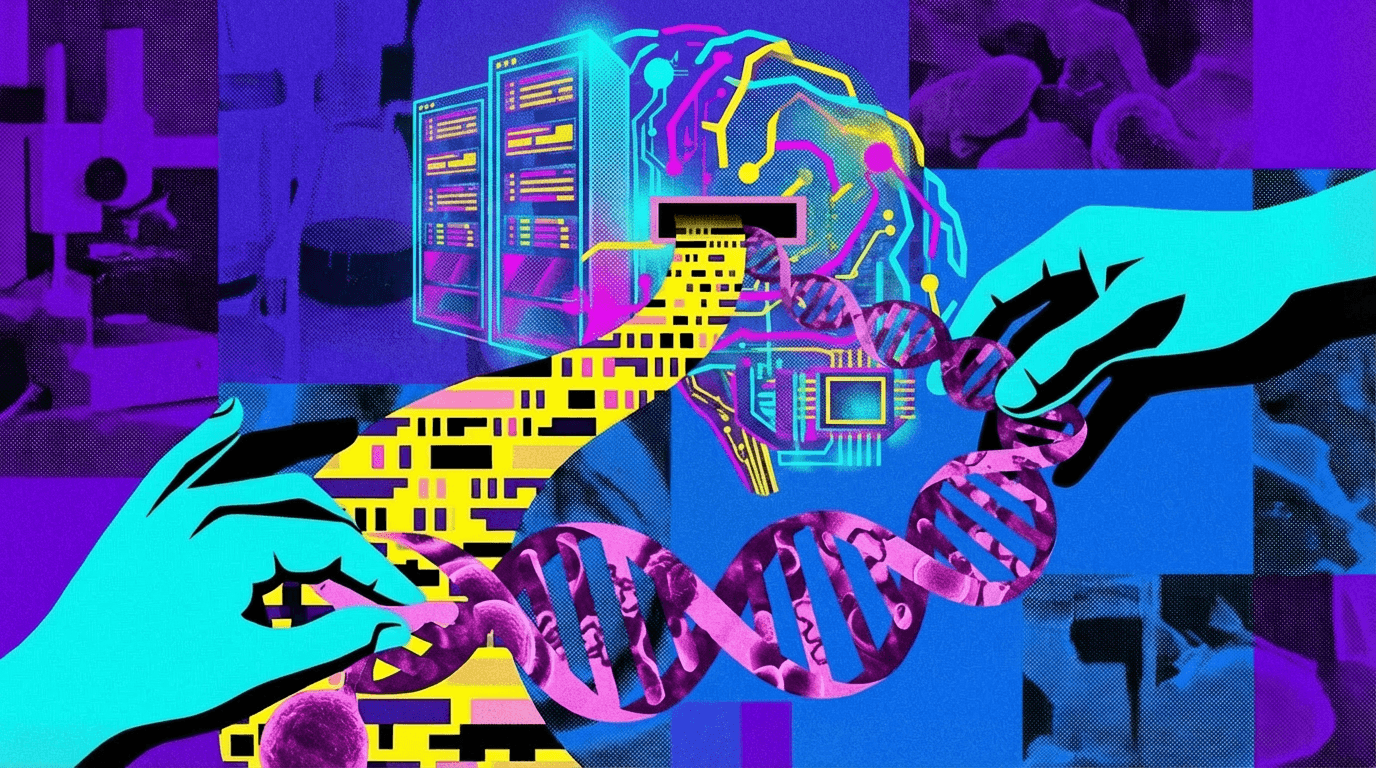
An Australian AI consultant turns to AI models like ChatGPT and AlphaFold for a potential cancer treatment for his dog. Yet, the results remain unproven.
An Australian AI consultant has stirred up the AI community by combining ChatGPT, AlphaFold, and Grok in an attempt to find a treatment for his dog Rosie's cancer. What followed was a viral storm, fueled by high-profile figures like OpenAI's Greg Brockman and DeepMind’s Demis Hassabis sharing the story as a testament to AI's potential. But let's not get ahead of ourselves. There's no evidence that this AI-designed vaccine made any difference.
The AI Cocktail
Using AI to tackle complex medical challenges isn't new, but this experiment ventured into uncharted territory by targeting canine cancer, a heartbreaking and often incurable affliction. The consultant's choice of tools is intriguing. ChatGPT for natural language processing, AlphaFold for protein structure prediction, and Grok for, well, that's less clear. But slapping a model on a GPU rental isn't a convergence thesis.
The real question here's: Can such an eclectic mix of AI models genuinely lead to a medical breakthrough, or is this just another example of tech hype overshadowing scientific rigor?
Hype vs. Reality
While the AI community celebrates potential, it's critical to remain grounded. A viral post doesn't equal clinical validation. For all the noise, the lack of concrete results raises skepticism. Where's the peer-reviewed study? Where's the verifiable data? If the AI can hold a wallet, who writes the risk model?
The beauty of AI lies in its ability to process vast amounts of data quickly. But medical treatments, it's not just about speed or novelty. It's about accuracy, safety, and efficacy. Without these, we're just playing with computational toys.
Why It Matters
AI in healthcare offers immense possibilities, but it's not a silver bullet. The story of Rosie’s cancer treatment serves as both an inspiration and a cautionary tale. It illustrates the potential of AI but also the gap between promise and proof. It's a reminder that while AI tools can assist in formulating hypotheses, they aren't substitutes for rigorous scientific methods.
The intersection is real. Ninety percent of the projects aren't. Until we see solid evidence, these feel-good stories should be taken with a grain of skepticism. Show me the inference costs. Then we'll talk.
Get AI news in your inbox
Daily digest of what matters in AI.