AI's Quiet Revolution in Software Development
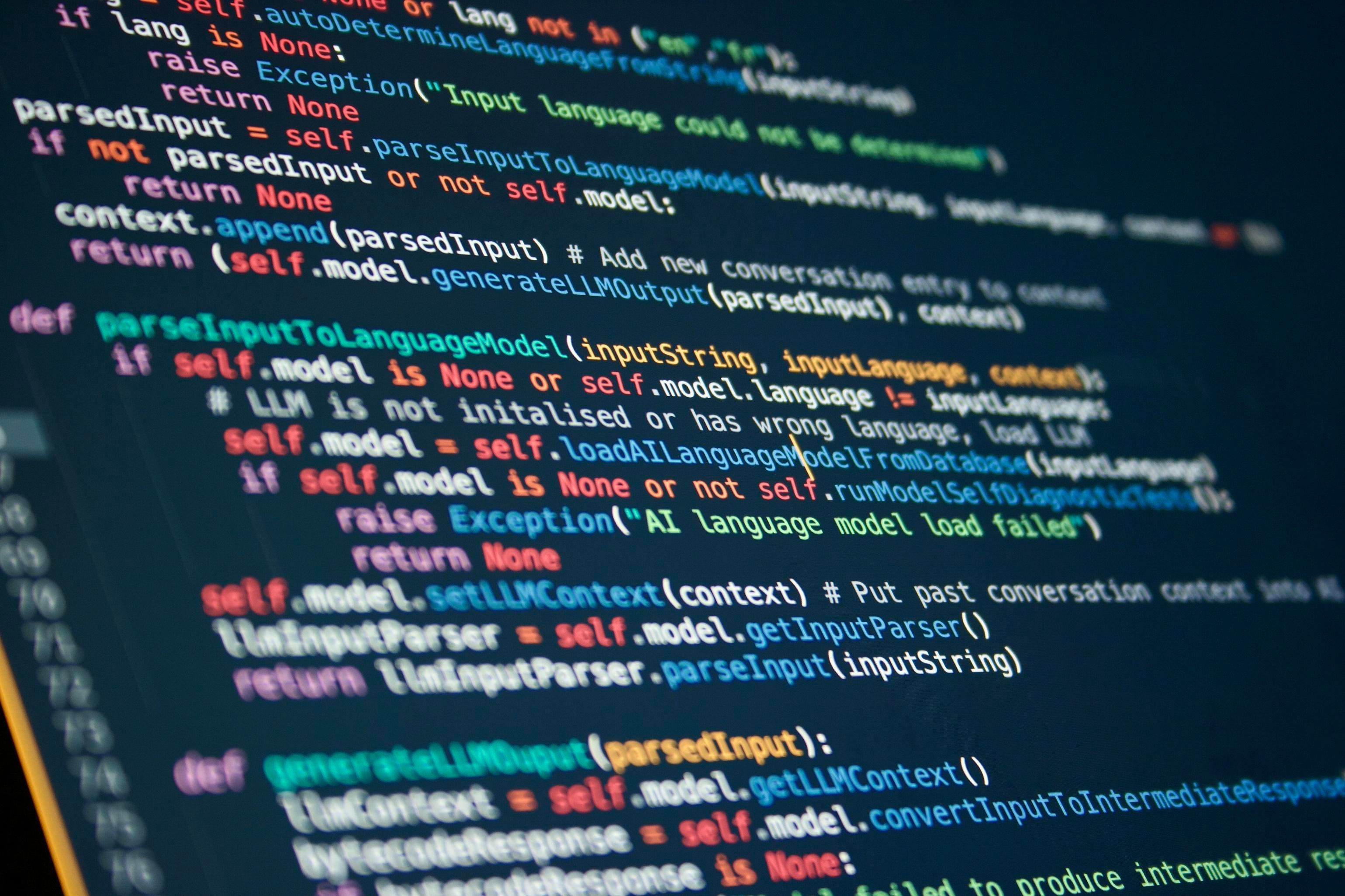
Artificial intelligence is transforming the software development lifecycle, with generative AI leading the charge. It's not just about innovation. it's about efficiency.
The transformation in software development is nothing short of remarkable. Artificial intelligence, particularly generative AI, is now a key player in the software development lifecycle (SDLC). While flashy AI headlines often capture our attention, it's in these behind-the-scenes systems that true innovation is happening. And let's face it, enterprise AI is boring. That's why it works.
AI's Impact on Development
AI technologies are reshaping how code gets written, tested, and deployed. By automating repetitive tasks and enhancing code quality, AI systems make easier the development process. Is it magic? No, it's just the natural evolution of tools improving efficiency. The ROI isn't in the model. It's in the 40% reduction in development time.
Generative AI, in particular, has emerged as a standout. It enables software to not just execute tasks but adapt and learn on the go, minimizing human intervention. The container doesn't care about your consensus mechanism. it just wants to get from A to B efficiently. That's the essence of AI in the SDLC.
Efficiency Over Innovation
Why should you care? Because this isn't just about shiny new technology. It's about making the lives of developers easier and more productive. AI in software development means fewer bugs, faster rollouts, and more time for innovation. By cutting down on grunt work, developers can focus on what truly matters: creating impactful software solutions.
Yet, it's not all smooth sailing. These systems demand constant oversight and refinement, ensuring that automation aligns with the intended outcomes. The challenge lies in balancing AI's autonomous capabilities with human oversight. Nobody is modelizing lettuce for speculation. They're doing it for traceability.
The Future of Development
As AI continues to mature, its role in the SDLC will only grow. The potential for further automation and efficiency gains is significant. But with these advancements comes the need to address ethical concerns and ensure that AI systems operate transparently and fairly.
If you're in the tech industry, ignoring this trend isn't an option. The question isn't if AI will change software development, it's how prepared you're for the shift. How will you integrate these technologies into your processes? And what will you do with the time saved?
Get AI news in your inbox
Daily digest of what matters in AI.
Key Terms Explained
The science of creating machines that can perform tasks requiring human-like intelligence — reasoning, learning, perception, language understanding, and decision-making.
A mechanism that lets neural networks focus on the most relevant parts of their input when producing output.
AI systems that create new content — text, images, audio, video, or code — rather than just analyzing or classifying existing data.