AI's Next Frontier: Smart Dashcams Revolutionizing Fleet Safety
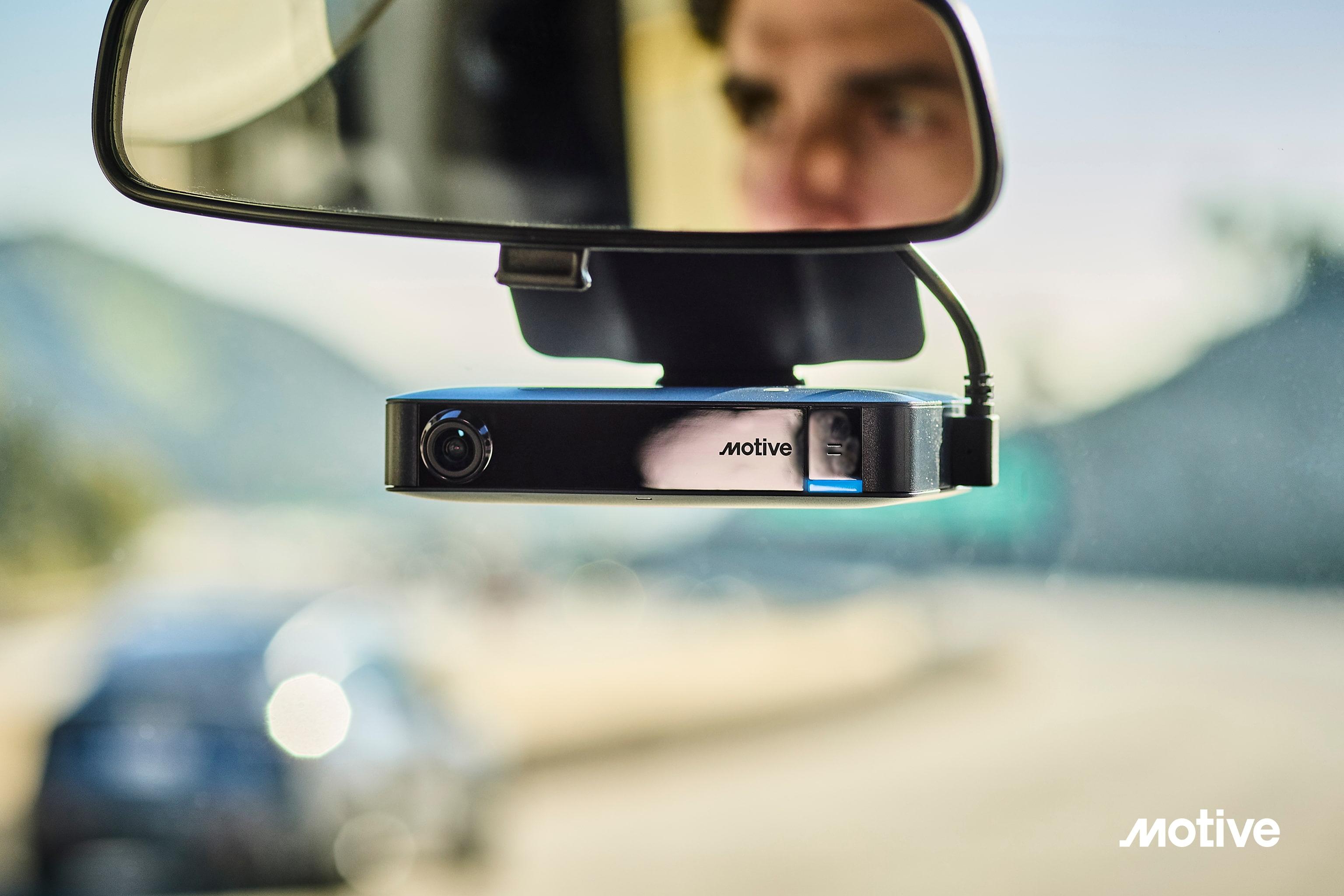
Motive's AI-powered dashcams are transforming fleet safety by reducing accidents and lowering risk. The real innovation isn't in the cloud, but on the road.
AI's latest breakthrough isn't confined to server farms or cloud platforms. Instead, it's accelerating down highways in fleet vehicles. Motive, a company specializing in smart dashcams, is at the forefront of this shift. By embedding artificial intelligence into dashcams, Motive is cutting down on accidents and mitigating risks for fleet operators.
Technology on Wheels
While much of the AI conversation focuses on cloud computing, the real bottleneck in AI deployment is often the infrastructure. Motive's dashcams don't need a constant internet connection to function effectively. They're designed to process data locally, which means they're not reliant on cloud-based servers for every decision, a critical advantage in rural or remote areas where connectivity might be patchy.
These dashcams use advanced machine learning algorithms to analyze real-time video footage from the road. They identify risky driving behaviors such as speeding, tailgating, or distracted driving. The cameras provide immediate feedback to drivers, helping course-correct behavior before it leads to an accident. The unit economics break down at scale. When deployed across a large fleet, these devices offer substantial cost savings in the form of reduced damages and insurance premiums.
Why It Matters
Here's what inference actually costs at volume. The ability to process data in real-time isn't just a technical feat, it's a potential lifesaver. For fleet managers, the reduction in accident rates translates directly into fewer vehicle repairs and lower insurance costs. According to industry estimates, AI-driven interventions can reduce collision frequency by up to 30%. That’s a figure that catches the attention of any cost-conscious fleet operator.
But why should this matter beyond the industry insiders? Consider the broader implications: fewer accidents mean safer roads for everyone. As more fleets adopt this technology, the downstream effects could be substantial, with reduced traffic congestion and a decline in road fatalities.
Challenging the Cloud-First Mindset
It's easy to assume the future of AI hinges on cloud advancements, given the marketing push from major tech companies. But cloud pricing tells you more than the product announcement. The hidden costs of constant cloud reliance, latency, downtime, and data transport fees, can outweigh the benefits in certain applications.
For now, the challenge remains scale. Follow the GPU supply chain, and you'll find that on-device AI requires strong hardware capable of handling complex computations independently. As these systems become more affordable and scalable, the shift from cloud-centric AI to edge-based solutions like Motive's will likely accelerate.
So, the real question is, will fleet companies continue to invest in cloud solutions, or will they pivot to more autonomous, edge-based technologies that offer immediate benefits on the road?, but the smart money seems to be on the latter.
Get AI news in your inbox
Daily digest of what matters in AI.
Key Terms Explained
The science of creating machines that can perform tasks requiring human-like intelligence — reasoning, learning, perception, language understanding, and decision-making.
A mechanism that lets neural networks focus on the most relevant parts of their input when producing output.
A dense numerical representation of data (words, images, etc.
Graphics Processing Unit.