AI's New Role in Mental Health and Relationships: A Digital Dilemma
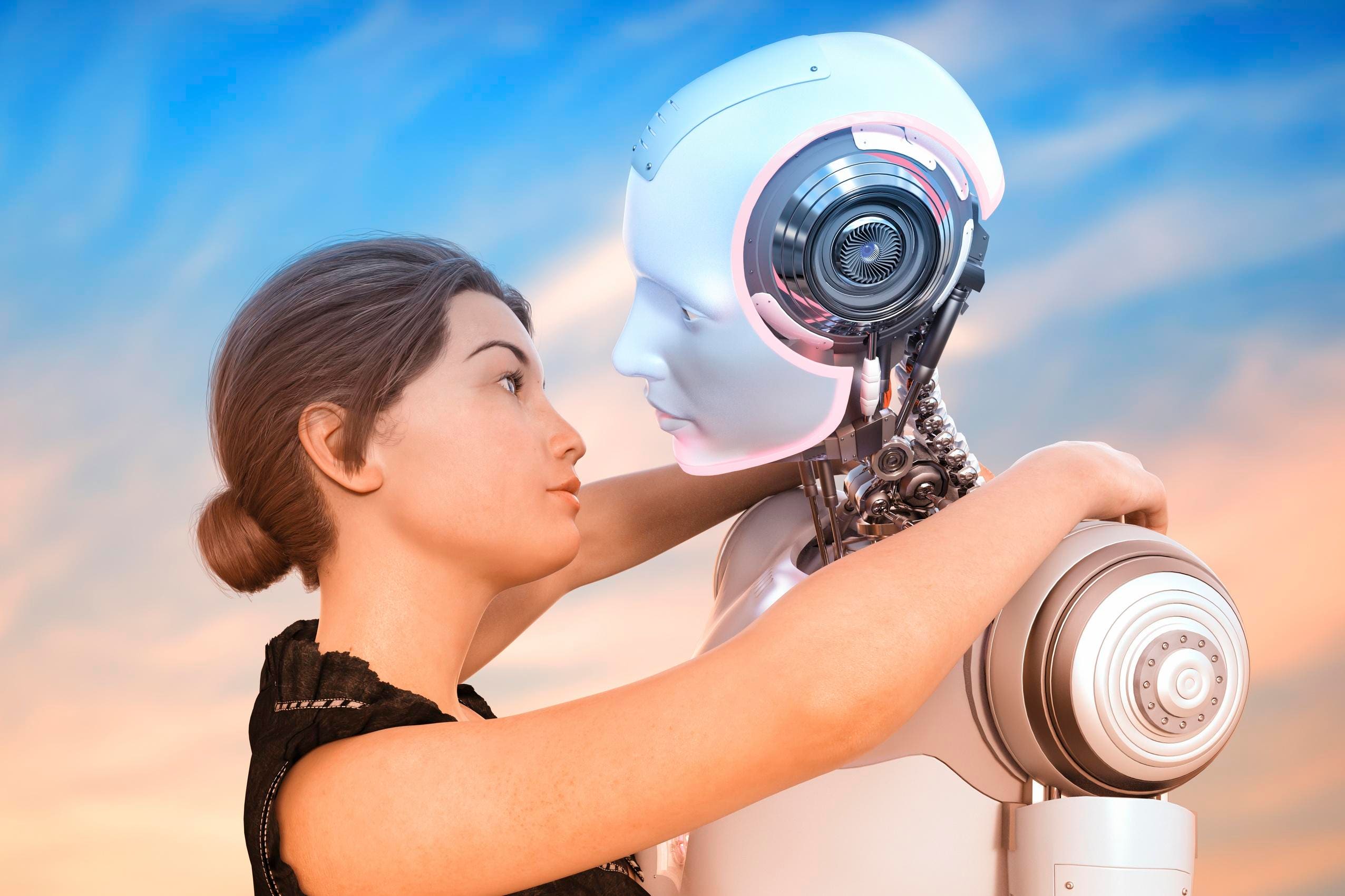
AI is shaping mental health support and relationships through new tech. But does it replace human connection or complement it?
Artificial intelligence is increasingly stepping into roles that were once the preserve of human interaction. From mental health support to companionship and even romantic relationships, AI technologies are playing a part. But what do these changes mean for our society, and are they beneficial or detrimental?
The Growing Role of AI in Mental Health
Recent innovations have seen AI applications being used for mental health support. These tools aim to provide immediate assistance and counseling, especially where traditional resources fall short. With mental health issues rising globally, AI's ability to offer support 24/7 is invaluable. Yet, it's key to question whether AI can truly replicate the empathy and understanding that human therapists provide.
The data shows an uptick in usage among both adults and youth, suggesting a growing trust in digital companions. However, the effectiveness of these AI tools in actually improving mental health outcomes remains under scrutiny. The market map tells the story of mixed results, with some users reporting benefits while others find it lacking in depth.
AI-Driven Companionship and Romance
Companionship through AI is no longer a futuristic concept. Digital platforms now offer AI friends and even romantic partners. For some, these AI-driven interactions provide comfort and companionship that might otherwise be absent. Yet, this raises the question: Are we, as a society, substituting real human relationships with artificial ones?
The competitive landscape shifted this quarter with new entrants vying to capture market share in the AI companionship space. These services are marketed as a solution to loneliness, but they also risk creating a dependency on technology for social fulfillment, a concern for mental health experts.
Evaluating the Impact
The impact of AI on mental health and relationships is complex. While AI can offer immediate, non-judgmental support, it lacks the depth and nuance of human interaction. This presents a digital dilemma: Should we embrace AI solutions for their accessibility and convenience, or should we be wary of their potential to replace authentic human connections?
Here's how the numbers stack up. According to recent studies, a significant percentage of users find value in AI companionship, yet many still prefer human interaction when possible. This suggests that while AI holds promise, it may never fully substitute for human empathy and understanding.
In context, this shift towards AI-driven interactions is both an opportunity and a challenge. It provides a solution where traditional options are unavailable, yet it also nudges us towards a potentially less connected society. The question remains: How do we balance the benefits of AI with the essential need for human connection?
Get AI news in your inbox
Daily digest of what matters in AI.