AI's Love Affair with Ambiguity: Who's Really Winning?
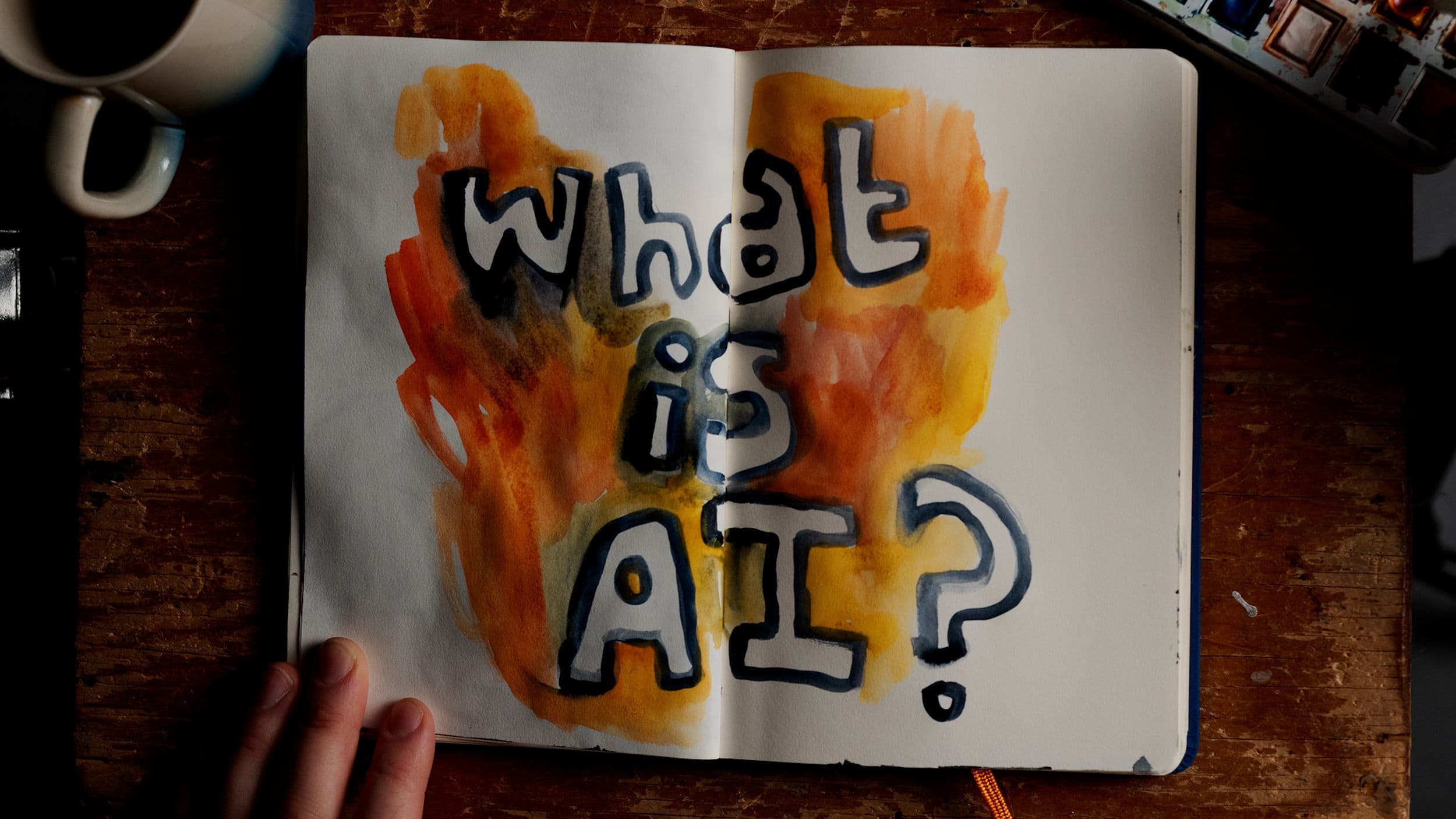
A new documentary paints a rosy picture of AI while sidestepping the real accountability issues. Are tech execs getting off too easy?
There’s a film making the rounds that fancies itself an AI exposé. 'The AI Doc: Or How I Became an Apocaloptimist' tries to bridge the chasm between fear and faith in artificial intelligence. But spare me the melodrama of its title. The film ends up feeling like a velvet glove pat on the back for tech titans like Sam Altman.
Finding Middle Ground or Missing the Point?
The documentary seems to want it both ways. It recognizes that AI is a polarizing technology, yet it opts for a tepid attempt at neutrality. Picture this: AI can either save the world or turn it into a dystopian wasteland. Naturally, the film lands somewhere in the purgatorial in-between, where everything’s kind of fine and no one's really accountable.
What’s more baffling is how tech executives are given a free pass. In an era where the press release said innovation and the 10-K said losses, shouldn’t we be questioning the veritable Pied Pipers of AI? Sam Altman, CEO of OpenAI, is depicted somewhat sympathetically. As if the onus isn’t on these industry leaders to steer their creations responsibly.
The Realities We Can't Ignore
Let's face it, AI isn’t just a game of cultural optics. It's a very real apparatus with the potential to reshape economies, job markets, and privacy standards. But the film skirts these issues, preferring instead to paint a picture of tech execs as misunderstood geniuses rather than architects of profound societal change. Which seems like an even stronger argument for holding them accountable.
Ask yourself, when was the last time a tech documentary really grilled its subjects? It’s almost like they fear hurting the feelings of those who wield enormous influence over our digital lives. I've seen enough to know that the real story lies in the questions left unasked.
Why Should We Care?
In a world tilting ever more towards AI, public perception shapes policy and regulation. This documentary, by opting for safe neutrality, misses a golden opportunity to influence that narrative. It's not enough to flirt with the idea of AI's duality. filmmakers should dare to dig deeper. They should push the conversation forward, not lull us into complacency.
Ultimately, the film's middle-ground approach does more to obscure than to illuminate. And as long as documentaries like this continue to coddle the tech elite, we'll be left with more questions than answers. Because let's be clear, AI isn’t going away. We need narratives that challenge, not comfort. Until then, we’ll be stuck in this loop of false neutrality, watching the world unfold through rose-colored screens.
Get AI news in your inbox
Daily digest of what matters in AI.