AI's Impact on Mathematics: The New Bottleneck
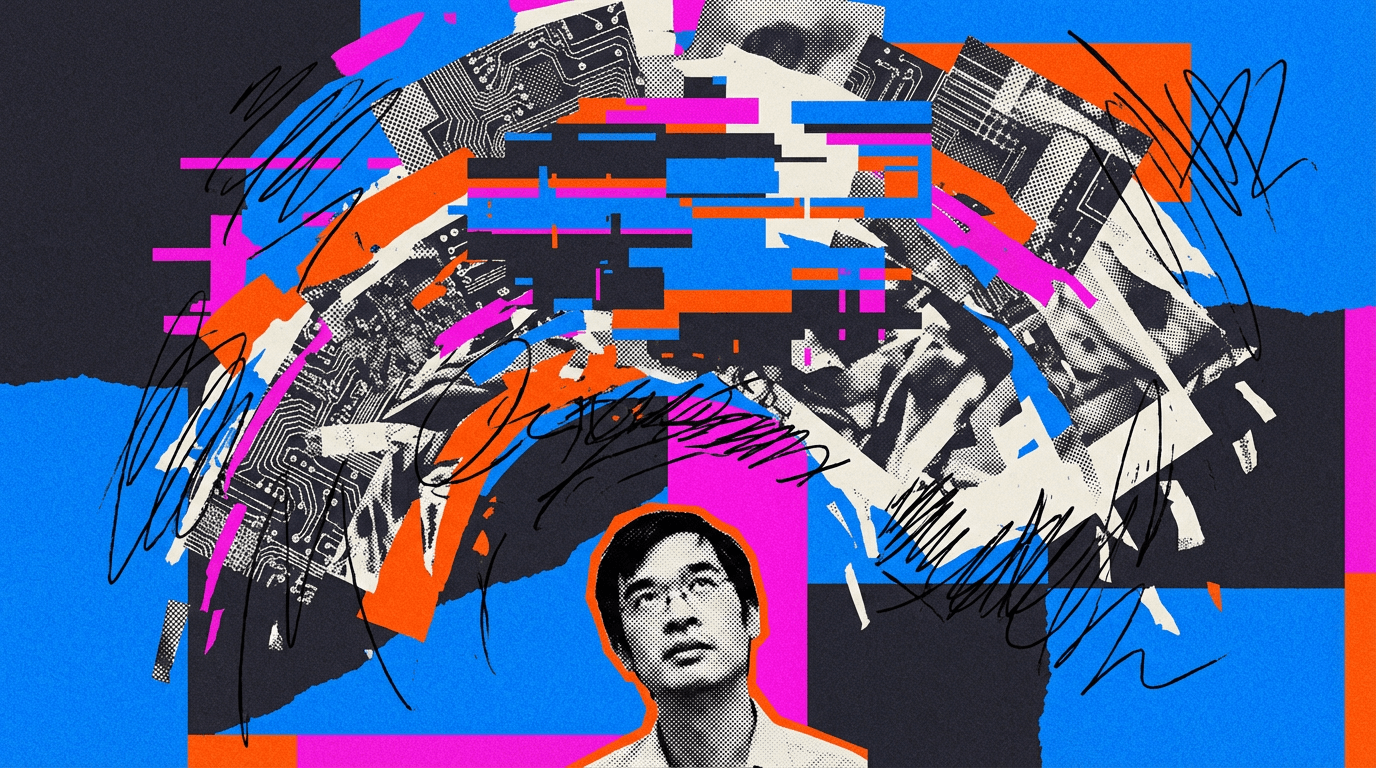
Terence Tao compares the transformative impact of AI on mathematics to the effect of cars on cities. While AI reduces the cost of generating new ideas, the challenge now lies in verifying those ideas.
Renowned mathematician Terence Tao offers a compelling analogy for AI's role in mathematics. He likens it to the transformative effect automobiles had on urban landscapes. When cars first appeared, they offered unprecedented mobility, yet eventually demanded new roads and infrastructure. Similarly, AI has revolutionized the way mathematicians generate ideas, but it has created a new challenge: verification.
AI Lowers the Cost of Idea Generation
The advent of AI has driven the cost of generating ideas to near zero. This advancement is particularly relevant in the field of mathematics, where new theorems and proofs can now be conceptualized at a rapid pace. However, the sheer volume of ideas requires efficient methods for validation. Without a system in place to verify these concepts, the mathematical community risks congestion akin to traffic jams in a city without modern roads.
Verification Takes Center Stage
Verification is now the primary bottleneck. As AI churns out possibilities and solutions, the burden falls on mathematicians to sift through and confirm their validity. This shift raises a significant question: how do we balance the rapid generation of ideas with the slower, meticulous process of verification? The answer to this question will shape the future of mathematical research.
The Road Ahead
Developers and researchers should take note of this emerging challenge. As AI continues to evolve, the infrastructure supporting mathematics must adapt. New tools and methodologies for verification are needed. The specification is as follows: establish frameworks that reliably test AI-generated hypotheses. Without such systems, the mathematical field may become overwhelmed, stalling progress rather than accelerating it.
, while AI has undeniably advanced the frontiers of mathematics, it has also shifted the locus of effort. Terence Tao's insights highlight the necessity for new structures to support this technological leap. As with cities adapting to cars, mathematics must develop its own infrastructure to accommodate AI's capabilities. The future depends on it.
Get AI news in your inbox
Daily digest of what matters in AI.