AI's Growing Pains: Tackling Bias in a Diverse World
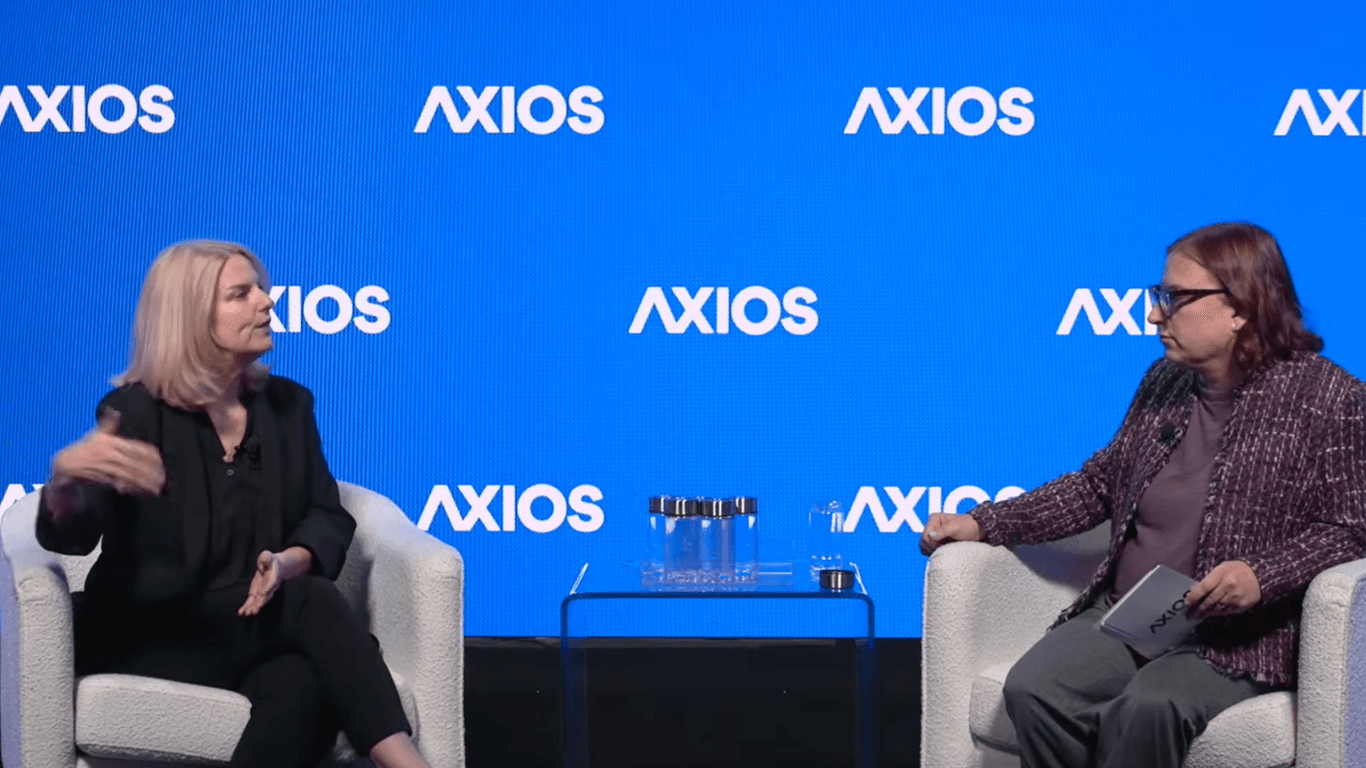
AI systems trained on biased data can reinforce stereotypes, warns GLAAD's Sarah Kate Ellis. The impact stretches beyond the digital, affecting real lives.
Artificial intelligence, the buzzword on everyone's lips, isn't just a technological marvel. It comes with its own set of challenges. One significant issue? Bias. Sarah Kate Ellis, President and CEO of GLAAD, highlighted this concern at the recent Axios AI+ NY summit.
The Trouble with Biased Data
Imagine a world where AI systems, designed to make life easier, inadvertently promote harmful stereotypes. That's the reality we're facing, according to Ellis. She stressed that AI trained on biased data can perpetuate misinformation, particularly about LGBTQ+ communities. Here's the gist: AI's influence isn't confined to algorithms but spills into everyday interactions, shaping perceptions and decisions.
If you're just tuning in, AI is increasingly becoming a backbone of our digital lives. It powers everything from social media recommendations to facial recognition. But if these models are rooted in biased data, they could potentially harm these communities instead of helping them. The bottom line? Companies need to take responsibility for how their AI learns.
A Call to Action
Ellis didn't mince words when she spoke with Axios' Ina Fried. She pointed out the ongoing attacks on LGBTQ+ communities, particularly targeting trans and non-binary individuals. These aren't isolated incidents. They're part of a broader pattern that reflects in AI training data, potentially skewing the outputs.
So, what do we do about it? Well, let's start with asking the tough questions. Are tech companies doing enough to filter out biased data? Or are they asleep at the wheel, letting harmful rhetoric seep into their algorithms? The potential impact on real-world perceptions and actions is too significant to ignore.
Bridging the Gap
In plain English, it's time for a cultural shift in the tech world. Companies must not only acknowledge these biases but actively work to correct them. The conversation isn't just about eliminating bias in data. It's about creating a more inclusive digital future where everyone feels seen and heard.
Sarah Kate Ellis and GLAAD are sounding the alarm. The question is, will the tech giants listen? The future of AI depends on it, and so do the lives that are impacted by its reach.
Get AI news in your inbox
Daily digest of what matters in AI.
Key Terms Explained
The science of creating machines that can perform tasks requiring human-like intelligence — reasoning, learning, perception, language understanding, and decision-making.
In AI, bias has two meanings.
The process of teaching an AI model by exposing it to data and adjusting its parameters to minimize errors.