AI's Global Supply Chain Choke: A Battle for Semiconductor Supremacy
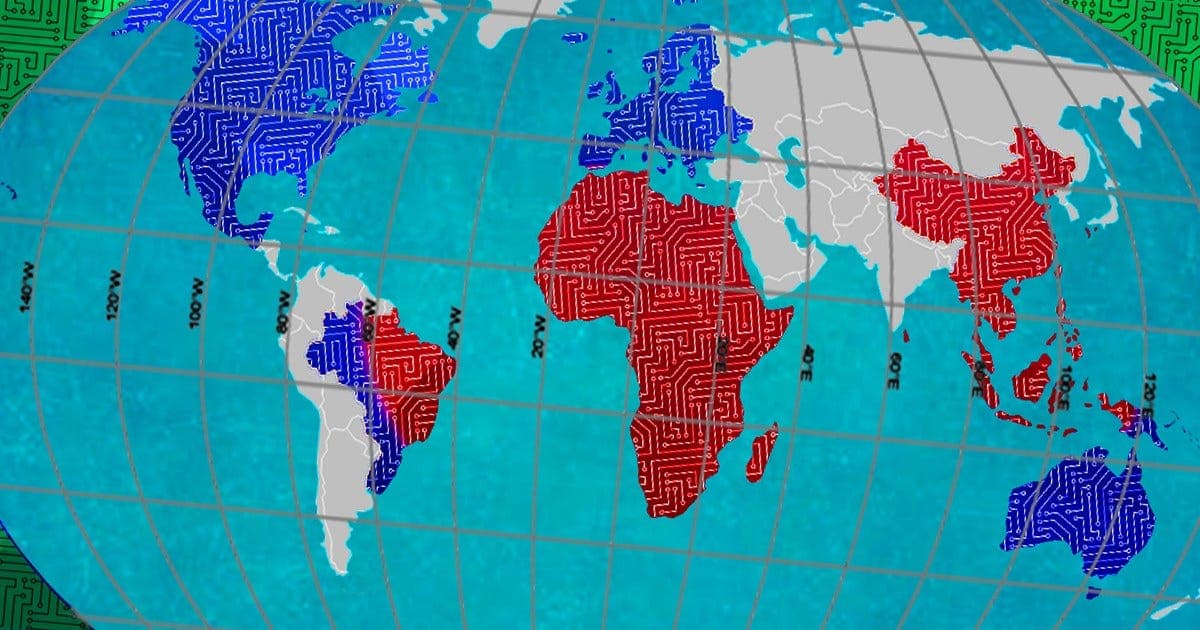
As the world inches closer to 2026, semiconductor and AI data center bottlenecks highlight geopolitical tensions. Helium shortages and export controls on advanced chips shape the AI landscape.
Welcome to 2026, a year defined by bottlenecks in AI data centers and semiconductors that reflect the geopolitical tug-of-war. The unexpected culprit in this narrative? Helium. Vital for semiconductor fabrication, its scarcity, primarily due to disruptions in the Strait of Hormuz, has sent ripple effects through the global supply chain.
The Helium Headache
Iran's geopolitical tensions have cut off a significant supply of helium, with Qatar holding 34% of the global market. South Korea finds itself particularly vulnerable, relying on Qatar for nearly 65% of its helium imports. The implications are severe, exacerbating existing bottlenecks in High Bandwidth Memory (HBM), key for AI GPUs, particularly those from Samsung and SK Hynix which dominate the global memory landscape.
Data Centers in the Crosshairs
Data centers are feeling the pinch too. New projects almost halved in Q4 2025. Behind this slowdown are mounting local oppositions, rising costs, and a complex web of geopolitical hurdles. The real cost of AI's expansion isn't just financial. it's deeply entwined with international policy decisions.
Why should enterprises care? Because enterprises don't buy AI, they buy outcomes. The stark reality is that infrastructure limitations could stall the very innovation AI promises. So, how should businesses prepare for a future where energy and chips are as strategic as ever?
Chips, Power, and Policy
AI's progression hinges on chips and energy. The U.S.'s export controls on AI chips to China are reshaping global supply chains. These controls are more than a policy footnote. they're a strategic maneuver to maintain technological superiority. The U.S. isn't just limiting chip sales. it's curtailing China's broader semiconductor ambitions.
For many, the question isn't just about technological capability, it's about geopolitical strategy. With AI's ascent, who holds the reins? The consulting deck says transformation, but the P&L says different. The gap between pilot and production is where most fail.
As enterprises navigate these choppy waters, they must ask: Are they prepared for a future where access to chips and energy defines competitive advantage? In this new order, aligning with the right geopolitical forces might just be as key as the technology itself.
Get AI news in your inbox
Daily digest of what matters in AI.