AI's Bold Entrance: Ready or Not, Here It Comes
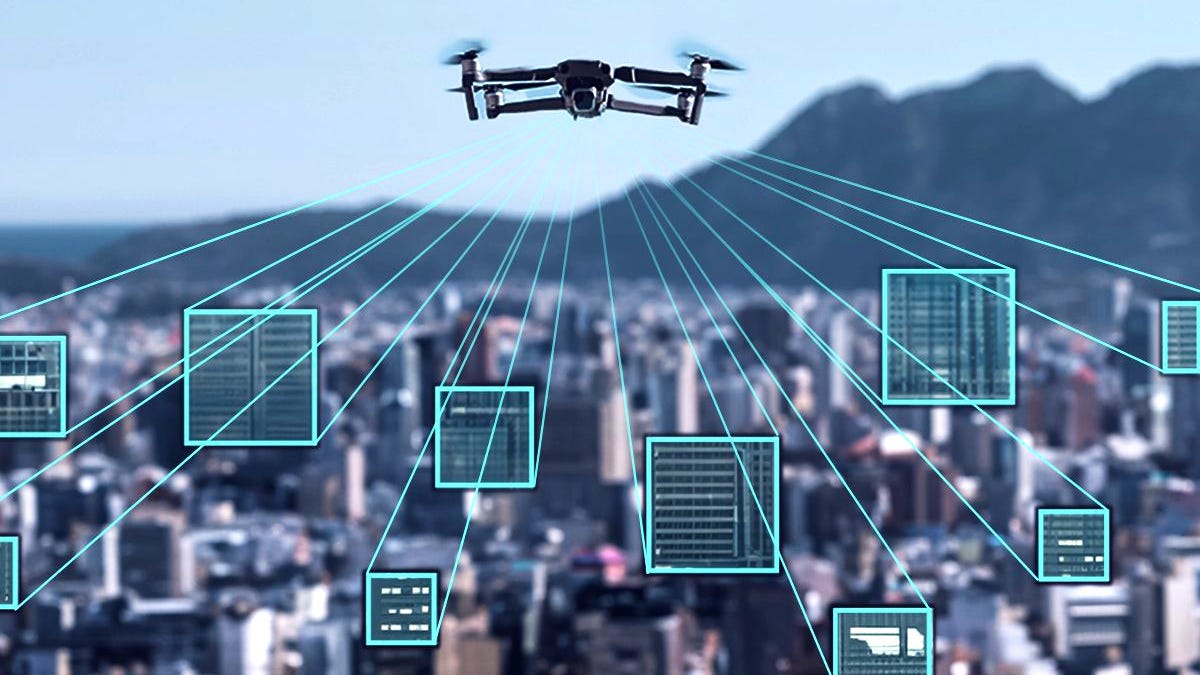
AI's impact is undeniable as it integrates into industries. The debate isn't if it's coming, but how we're handling its arrival.
Artificial intelligence is no longer a whisper of the future. It's here, marching decisively into our industries, reshaping realities with both promise and peril. The real question isn't whether AI will take over, but rather how we're prepared to navigate the changes it brings.
AI's Ubiquity Across Sectors
AI's influence is expansive. It's already embedded in sectors from healthcare to finance, driving efficiency and innovation. For instance, AI-driven diagnostics in healthcare aren't just theoretical, they're actively reducing diagnostic times and improving accuracy. But when AI can outperform doctors in specific tasks, what does that mean for the industry's future workforce?
Finance isn't exempt either. AI systems are managing portfolios, predicting market trends, and even executing trades with speed and precision that human brokers can't match. Yet, when an AI algorithm controls the money, who shoulders the risk?
Economic Implications
The economic impact of AI is twofold. On one hand, it's creating new opportunities and markets. On the other, it's threatening traditional jobs and industries. A McKinsey report suggests AI could automate 30% of tasks in 60% of occupations. That's significant. If the AI can hold a wallet, who writes the risk model?
The rise of AI is also pushing the demand for more compute power. Renting a GPU cluster has become a new norm, but slapping a model on a GPU rental isn't a convergence thesis. The industry needs to rethink its infrastructure to support the growth in AI applications.
Regulatory Challenges
Regulation is the next frontier. As AI systems become more autonomous, the need for regulatory frameworks intensifies. Current laws are ill-equipped to handle the complexities of AI accountability and ethics. The intersection is real. Ninety percent of the projects aren't, but the ones that are will demand serious oversight.
It's time to ask hard questions. Are we ready for AI-driven decisions that could impact lives at scale? What happens when something goes wrong? Show me the inference costs. Then we'll talk about scaling responsibly.
Ultimately, AI's arrival is a defining moment. Embracing its potential while mitigating its risks will be the challenge that defines industries in the coming decade. The AI takeover isn't a distant future, it's here, and it's time we caught up.
Get AI news in your inbox
Daily digest of what matters in AI.
Key Terms Explained
The science of creating machines that can perform tasks requiring human-like intelligence — reasoning, learning, perception, language understanding, and decision-making.
The processing power needed to train and run AI models.
Graphics Processing Unit.
Running a trained model to make predictions on new data.