AI's Allure: Why Some Can't Resist Surrendering Their Thinking
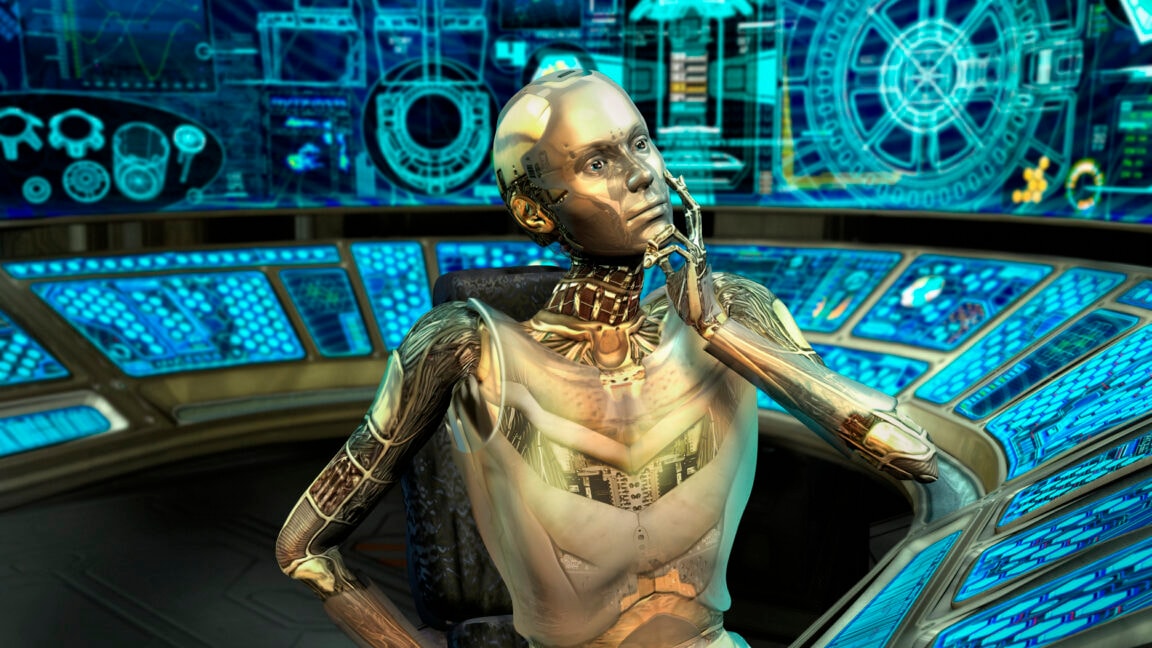
People are increasingly outsourcing their decision-making to AI. Recent research from the University of Pennsylvania digs into why this is happening and what it means for human cognition.
AI's seductive promise is reshaping how we think. Some see large language models as trusty assistants, but others are slipping into what's called "cognitive surrender." Essentially, they're handing over their critical thinking to a machine. Why? It's quick and feels authoritative. But is that wise?
The Study
Researchers at the University of Pennsylvania have been busy. Their study, "Thinking, Fast, Slow, and Artificial," lays out a fresh psychological framework for understanding this trend. We're not just talking about gut decisions (System 1) or analytical reasoning (System 2) anymore. There's a new player in town: AI-driven decision-making, which the researchers call "artificial cognition." It's algorithmic, not human. And it's everywhere.
Why Surrender?
So why are folks so eager to trust AI? Time pressure and external incentives play major roles. When time's tight, it's tempting to ask our digital buddies for answers. And when there's a carrot dangling, AI's quick-fix allure grows. But at what cost to our own thinking?
Let's face it. Machines are fallible. They're trained on data and not all of it's reliable. Yet many see AI as infallible. This belief can lead to errors that a little human scrutiny could avoid. Are we too trusting?
The Big Picture
This isn't just about efficiency. It's about the future of human cognition. If we're outsourcing our thinking, what's left for us to do? AI might be reshaping reasoning, but it can't replace human intuition and creativity. Not yet, anyway.
The takeaway? Be cautious. Use AI as a tool, not a crutch. Sure, it can provide fast answers, but the best decisions often come from a blend of machine insight and human judgment. That's the week. See you Monday.
Get AI news in your inbox
Daily digest of what matters in AI.