AI Won't Steer the Ship Alone: Stanford Expert's Insight
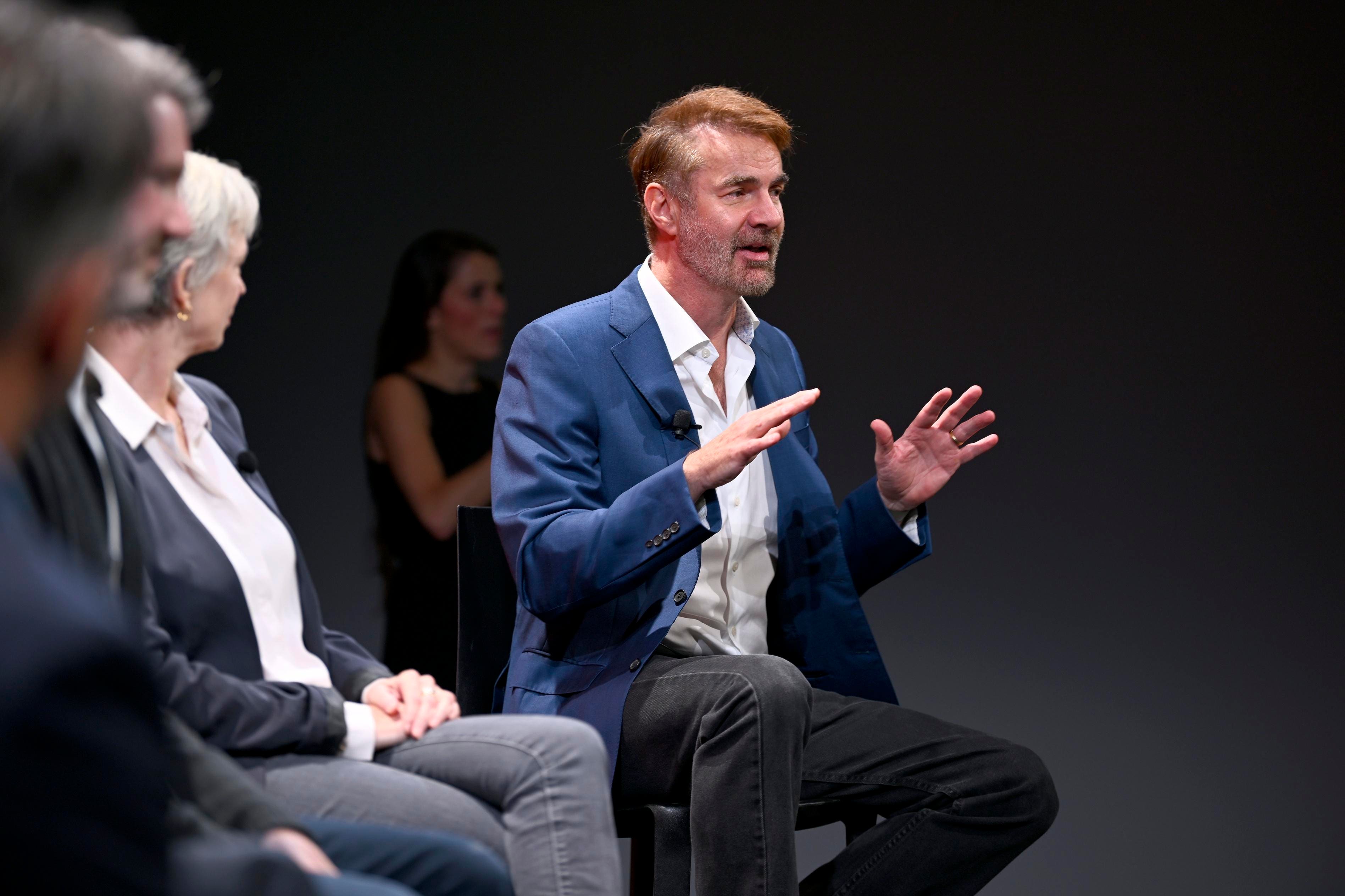
Stanford's Erik Brynjolfsson argues AI won't take over organizational leadership anytime soon. The real question: Can AI design risk models for decisions it influences?
Erik Brynjolfsson from Stanford has made a compelling case against the notion that AI is poised to take over organizational leadership in any significant capacity. While AI can optimize processes and enhance decision-making, the idea it can autonomously steer entire companies is, frankly, far-fetched. Until AI can comprehend the nuances of human-centric decision-making, leadership will remain firmly in human hands.
The Limits of AI Control
Brynjolfsson's argument centers on the limitations of AI's current capabilities. Sure, AI models can process vast amounts of data faster than any human. But slapping a model on a GPU rental isn't a convergence thesis. The ability to crunch numbers doesn't equate to understanding complex organizational dynamics or managing a workforce with empathy and foresight.
One could argue that AI's role in leadership might expand as models become more sophisticated. But let's not forget: if the AI can hold a wallet, who writes the risk model? Can an AI really predict the long-term consequences of its decisions in a way that parallels human intuition? It's a stretch, to say the least.
AI's Real Impact
The conversation shouldn't be about AI replacing human leaders. Instead, we should focus on AI complementing human decision-making. AI's power lies in its ability to handle repetitive tasks and analyze data without bias. This can free up human leaders to focus on strategic thinking and innovation.
But before we crown AI as the new ruler of the boardroom, we need to ask: what happens when AI's data-driven insights clash with human values or ethical considerations? The intersection is real. Ninety percent of the projects aren't, but the remaining ten percent need rigorous oversight and accountability.
Conclusion
In the end, the idea of AI taking over organizational leadership is more science fiction than reality. As Brynjolfsson points out, the real value of AI lies in its ability to augment human capabilities, not replace them. It's a tool, not a captain. And until AI can match the complexity of human thought and empathy, it won't be steering the ship alone.
Get AI news in your inbox
Daily digest of what matters in AI.