AI Wearables: The Real Threat to Smartphone Dominance
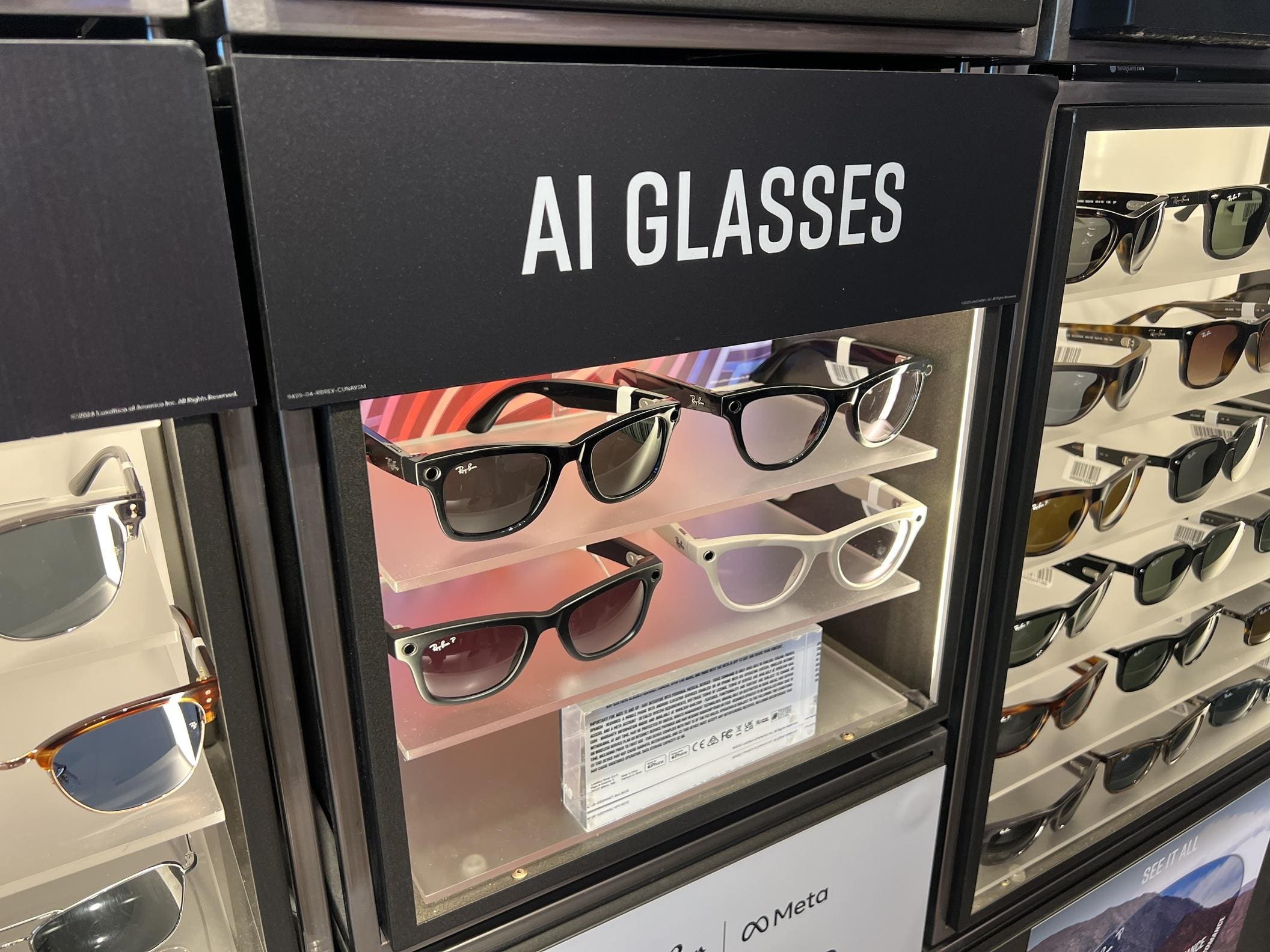
Smartphones could soon lose their top spot in personal computing. AI-driven wearables like smart glasses are poised to redefine how we interact with technology.
For over a decade, smartphones have been the undisputed champions of personal computing. But their reign might be closer to sunset than dawn. Enter AI-powered wearables. These devices, particularly smart and augmented reality glasses, are poised to reshape the way we interact with technology. It's about more than just convenience. The intersection is real. Ninety percent of the projects aren't.
The Rise of AI Wearables
AI wearables aren't a futuristic fantasy. They're here, and they're advancing at breakneck speed. Companies like Apple and Google are pouring billions into augmented reality, betting that users will soon prefer a more integrated digital experience over screen-tapping. If the AI can hold a wallet, who writes the risk model?
Wearables aren't just about checking notifications without pulling out a phone. They're potential game-changers in everything from health monitoring to immersive navigation. Imagine glasses that can provide real-time translation or overlay digital directions onto the real world. This isn't vaporware. It's where tech is headed.
Smartphones: The Sunset Era?
Does this mean smartphones are on their way out? Not immediately. But the writing's on the wall. As AI models become more sophisticated, the need for a handheld device diminishes. Slapping a model on a GPU rental isn't a convergence thesis, it's the symptom of an industry looking for more efficient compute methods.
Smartphones will likely coexist with wearables for some time. However, as wearables gain functionality and reduce in size, the dynamics of personal computing will shift. Show me the inference costs. Then we'll talk.
Why It Matters
The shift from smartphones to wearables isn't just about tech evolution. It's about how we live our lives. A world dominated by AI wearables means more effortless integration between digital and physical realities. It alters everything from social interactions to privacy norms.
Are we ready for this change? The market will decide, but as tech continues to blur the lines between our physical and digital worlds, it's clear that the next decade will look very different. Decentralized compute sounds great until you benchmark the latency. The future isn't written yet, but it's coming fast.
Get AI news in your inbox
Daily digest of what matters in AI.