AI Unmasks Pseudonymous Users: Social Media's Privacy Illusion Shattered
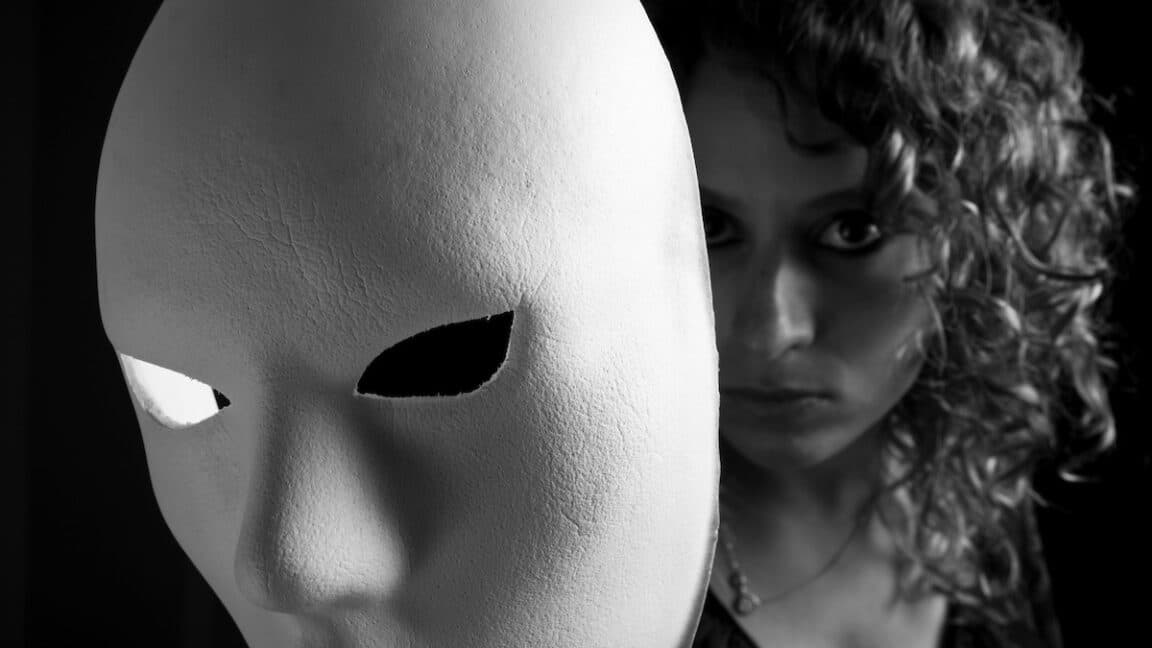
AI advances are stripping away the veil of pseudonymity on social media, making it easier than ever to track and identify users. Privacy advocates are sounding the alarm.
In a world dominated by social media, burner accounts have long been the go-to for those seeking a semblance of privacy. But a new AI development threatens to expose the fragile illusion of pseudonymity. Recent research highlights how easily artificial intelligence can now analyze and identify users behind these supposed anonymous accounts.
The End of Pseudonymity?
According to a recent research paper, AI algorithms have surpassed classical methods in deanonymizing users across different platforms. Forget about painstaking manual investigations, AI's recall rate hit 68 percent, with the precision of correct identification soaring to 90 percent. These numbers are more than just data points. They signal an alarming erosion of online privacy.
Consider this: AI's ability to connect the dots across platforms not only risks exposing private conversations but also makes it easier to generate detailed profiles ripe for exploitation. Think doxxing, stalking, and intrusive marketing. If it's not private by default, it's surveillance by design.
Privacy Erosion: A Call to Arms
For those who value privacy, these findings should be a wakeup call. The allure of pseudonymity was never perfect, but it provided enough cover for many to engage in sensitive discussions without fear of reprisal. Now, that veil is being ripped away by algorithms. When AI can piece together your digital footprint with such accuracy, are we truly free to express ourselves?
The chain remembers everything. That should worry you. As AI continues to evolve, privacy isn't just a feature. it's a fundamental human right. Yet, with each advancement, it seems we're inching closer to a surveillance state where anonymity is a luxury few can afford.
The Fight for Digital Privacy
So, where do we go from here? The rise of AI in unmasking users is a stark reminder that digital privacy tools must evolve. Zero-knowledge proofs, ring signatures, and mixnets might be the key to keeping our online personas safe. Opt-in privacy is no privacy at all. It's time for privacy-enhancing technologies to become the norm rather than the exception.
As we navigate this brave new world, one thing is clear: Financial privacy isn't a crime. It's a prerequisite for freedom. The question is, will we demand the tools to protect it, or will we allow AI to strip away what little anonymity we've left?
Get AI news in your inbox
Daily digest of what matters in AI.