AI Transforms RPA: Navigating the New Era of Automation
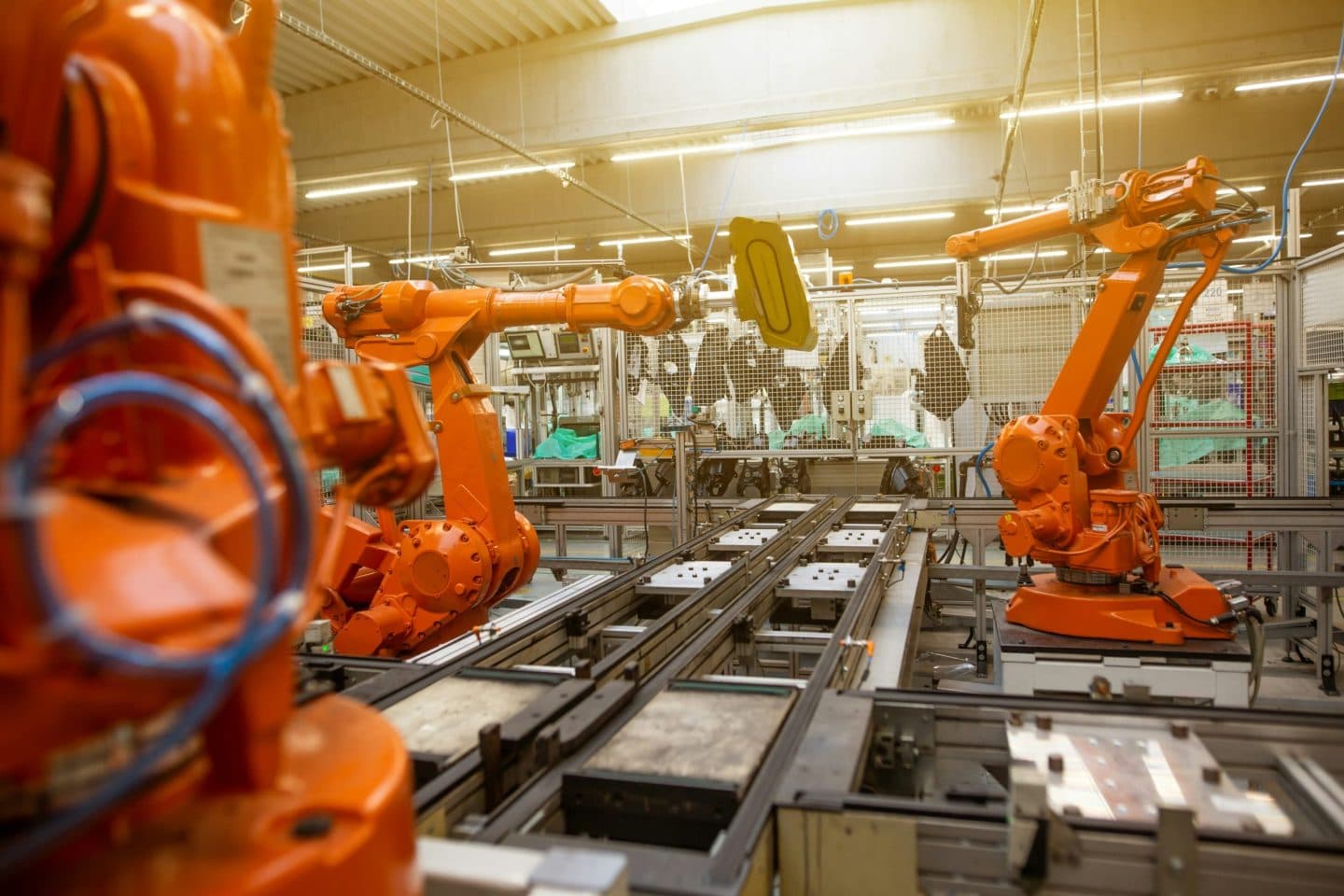
RPA once led the automation charge, but AI is redefining how businesses make easier processes. Companies face a choice: evolve with AI or stick to tried-and-true RPA.
Robotic process automation (RPA) has long been the go-to for businesses wanting to cut down on manual work. It's simple: software bots follow fixed rules to tackle repetitive tasks such as data entry and invoice processing. Industries like finance and customer support have embraced RPA rapidly. But now, the landscape is shifting.
RPA vs. AI: The Shift
While RPA has matured, it's hitting a wall with complex, unstructured data like emails and documents. Rule-based systems don't adapt well to changes. That’s where AI comes in. Gartner highlights new adaptive automation systems that integrate machine learning, allowing them to handle variability and uncertainty. The paper's key contribution: combining AI with RPA creates more adaptable systems.
Is AI the silver bullet for all automation needs? Not quite. AI offers flexibility, but its outputs can be inconsistent. The key finding is that businesses need to strike a balance. Intelligent automation combines the strengths of both AI and RPA. It’s about using each technology where it fits best.
Adapting to Intelligent Automation
Vendors like Blue Prism, now under SS&C Technologies, are pivoting towards intelligent automation. They're merging RPA with AI capabilities to process complex inputs. The result? Platforms that integrate data sources and decision points into single workflows.
This evolution doesn't spell the end of RPA. In fact, tasks involving structured data, such as payroll processing, continue to benefit from RPA's predictability. The broader question is: should businesses overhaul existing systems for AI, or is a hybrid approach more practical?
The Future of Automation
The transition to AI-enabled automation is gradual. Businesses might not be ready for a full overhaul due to costs and existing stable processes. Instead, they can extend current systems’ capabilities incrementally with AI enhancements. This strategy offers a flexible approach, allowing firms to adapt without sacrificing existing investments.
Ultimately, the decision to merge AI with RPA lies with the companies themselves. They must evaluate what’s more critical: sticking to reliable rule-based systems or embracing AI’s potential for handling diverse inputs. What they did, why it matters, what’s missing? The answer will shape the future of automation in every sector.
Get AI news in your inbox
Daily digest of what matters in AI.