AI Titans Clash Over Illinois Liability Bill
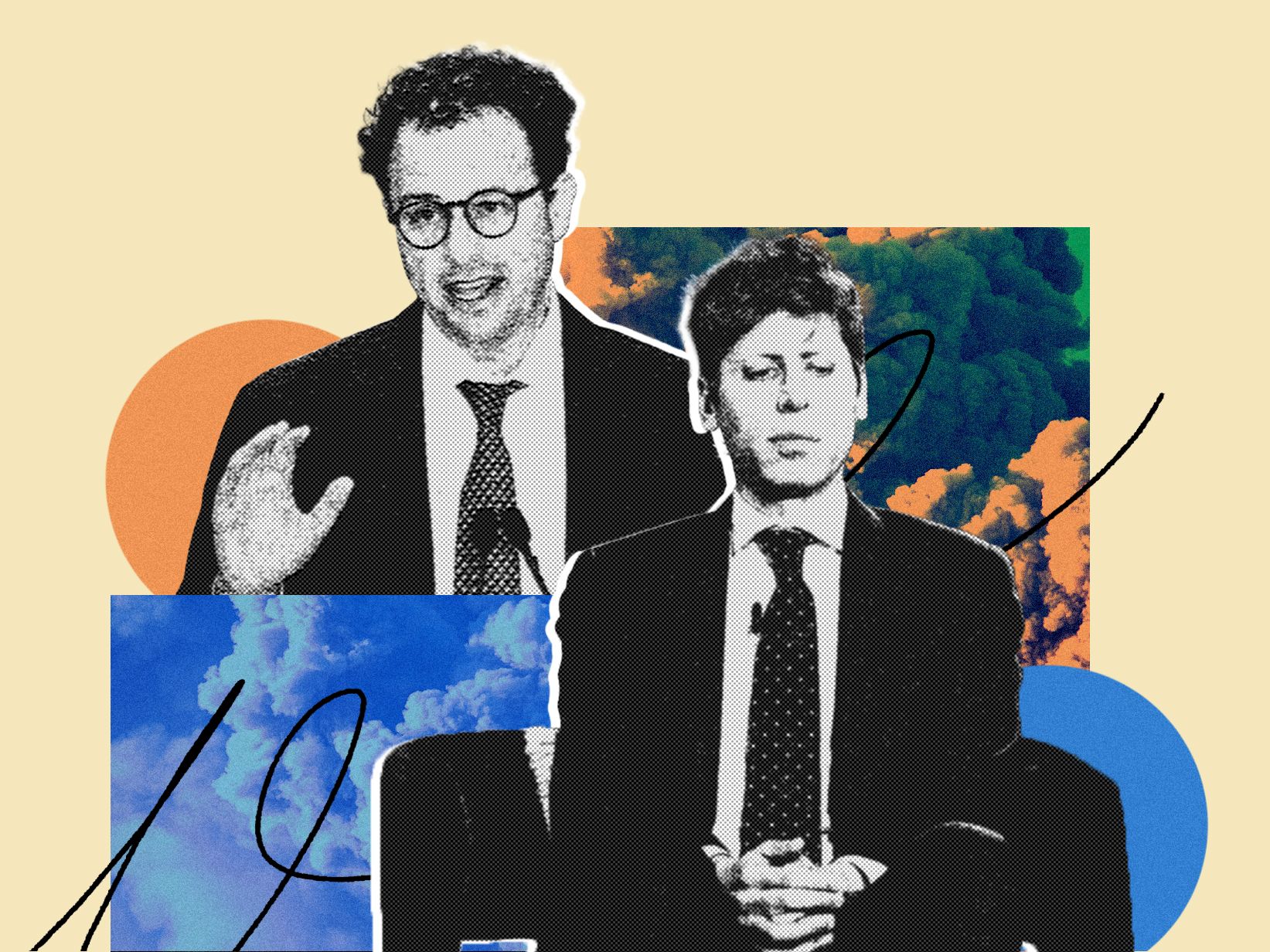
Anthropic and OpenAI are sparring over Illinois legislation that would exempt AI labs from liability in catastrophic events. This legal battle could shape the future accountability framework for the AI industry.
Anthropic and OpenAI, two industry giants in artificial intelligence, are embroiled in a heated debate over a proposed Illinois law. This legislation aims to relieve AI labs from liability should their creations cause significant harm, including mass deaths or financial calamities. It's a collision of ethics and innovation, with both companies standing on opposite sides of a turning point issue.
The Legal Shield
The proposed law in Illinois is raising eyebrows for its potential to leave AI companies off the hook in the event of serious AI-related disasters. Proponents argue this legal shield fosters innovation, allowing companies to push boundaries without the fear of crippling lawsuits. However, opponents, including Anthropic, are concerned that such immunity might lead to a dangerous lack of accountability.
OpenAI, on the other hand, seems to be in favor, suggesting that the industry needs freedom to advance without the constant threat of litigation. Their stance reflects a belief that innovation sometimes requires risk-taking. But if AI labs aren't held accountable, who bears the brunt of potential failures?
Implications for AI Accountability
This isn't just a policy squabble. it's a fundamental question of how we manage the risks of increasingly autonomous systems. If AI agents can operate with autonomy, should their creators be immune from all consequences? The AI-AI Venn diagram is getting thicker, and how we navigate these waters will set precedents for emerging technologies globally.
The stakes are high. AI is becoming more entrenched in everything from finance to healthcare, and its algorithms can initiate actions with significant real-world impacts. If there are no repercussions for negative outcomes, what's stopping labs from cutting corners to expedite development?
A Call for Reason
While innovation shouldn't be stifled by excessive regulation, there must be a balance. Accountability can coexist with progress. Illinois lawmakers have the opportunity to craft legislation that encourages responsible development without granting a carte blanche to AI labs.
In the end, the question isn't whether AI advancement should happen, but how it should be integrated into our legal and ethical frameworks. If agents have wallets, who holds the keys? These discussions will determine how AI shapes our future, not just in Illinois but worldwide.
This isn't a partnership announcement. It's a convergence of technology and ethics, where the outcomes will resonate far beyond the tech industry.
Get AI news in your inbox
Daily digest of what matters in AI.
Key Terms Explained
An AI safety company founded in 2021 by former OpenAI researchers, including Dario and Daniela Amodei.
The science of creating machines that can perform tasks requiring human-like intelligence — reasoning, learning, perception, language understanding, and decision-making.
The AI company behind ChatGPT, GPT-4, DALL-E, and Whisper.