AI Takes Over Science: Should We Be Worried?
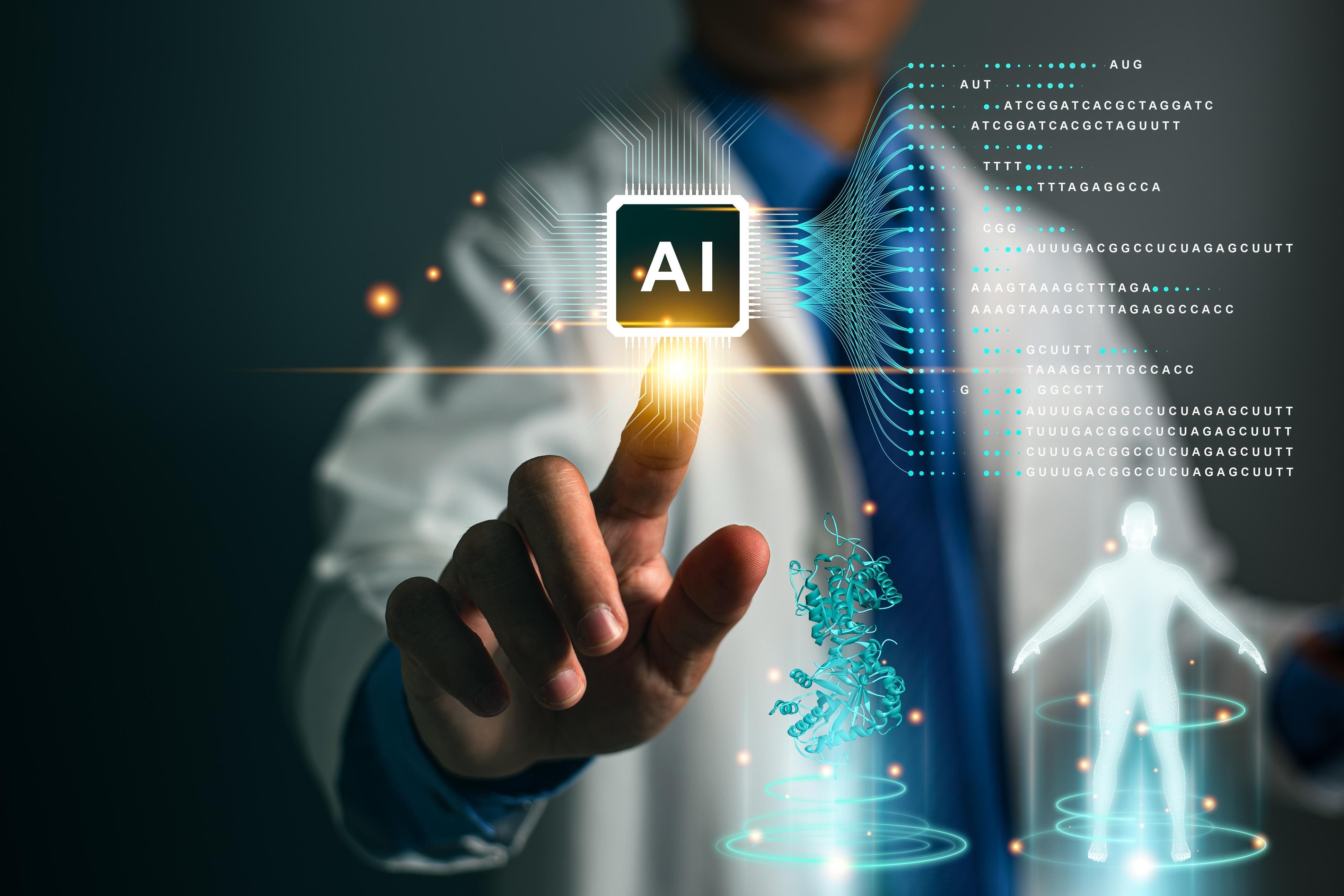
An AI system automates scientific research and passes peer review. Its potential to revolutionize science is clear, but the risks are equally daunting.
Imagine a world where artificial intelligence isn't just helping scientists but actually doing the science. Sounds futuristic, right? Well, it's happening now. An AI system has automated the full arc of scientific research and even passed the peer review process. Impressive, but let’s not get carried away with hopium.
A New Era for Research?
This AI system promises to simplify what’s often a grueling process. Think about it: faster data analysis, fewer errors, and a potential shake-up of traditional research methods. It's like giving science a caffeine shot. But here's the catch: automation could also mean over-reliance on algorithms that lack human intuition. What happens when machines take shortcuts scientists wouldn't dare?
Proponents argue this could fix science's worst habits. The reproducibility crisis, constant pressure to publish, and even bias in research can be mitigated. But let's zoom out. No, further. See it now? This isn't a one-size-fits-all solution. The funding rate is lying to you again if you think this is a miracle cure.
The Risks of AI Science
Risks are lurking. AI could exacerbate existing issues or create entirely new ones. Remember, an algorithm is only as good as the data it's fed. Garbage in, garbage out. The potential for misuse or errors is real and significant. What if the AI's decisions are flawed? Who's accountable when things go wrong? Everyone has a plan until liquidation hits.
Critics warn that AI-driven science could lead to a loss of critical thinking skills among researchers. The fear is that scientists might become over-reliant on technology, sidelining the human element that's essential for genuine breakthroughs. Essentially, we're staring down a path that could lead to scientific stagnation rather than innovation.
Should We Be Worried or Excited?
So, what’s the play? Should we be worried or excited? Maybe both. The potential for AI to revolutionize science is undeniably exciting. Yet, the risks of overextension and automation fatigue can't be ignored. It's a classic case of being bullish on hopium but bearish on math.
We should embrace the possibilities while being acutely aware of the limitations. This AI system could be a breakthrough in scientific research, but it demands a cautious approach. The question isn't just whether AI can do science, but whether it should, and at what cost. Let's not forget that sometimes, the best research is done by those willing to ask the uncomfortable questions that machines can't.
Get AI news in your inbox
Daily digest of what matters in AI.