AI Revolutionizes Welfare Systems with Self-Healing Rules
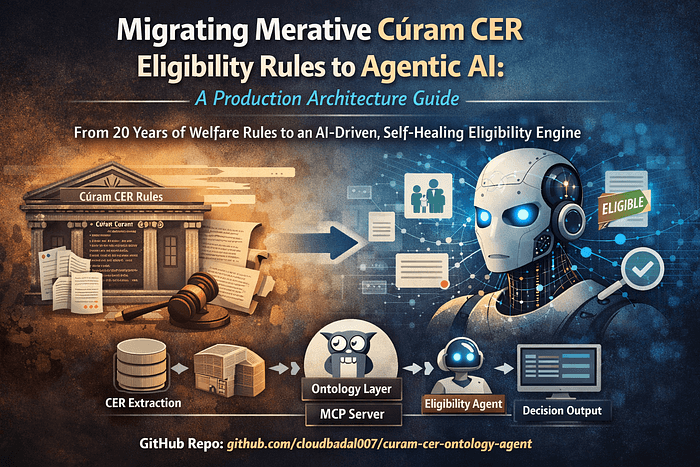
Decoding decades of welfare legislation into an AI-native eligibility engine aims to speed up government aid processes. But is it all it's cracked up to be?
Turning government welfare rules into an AI-native system isn't child's play. It's like translating a century of legalese into modern code. But that's exactly what a new project has done with the Merative Cúram CER eligibility rules. Out with the dusty manuals and in with an AI-driven, self-healing engine. But hold up, does it actually work?
The AI-native Shift
This project hinges on public resources like official docs and news, steering clear of proprietary data. The mission? Transform complex welfare eligibility rules into something that's more than just a bunch of if-else statements. We're talking about rules steeped in legislative nuance and human judgment.
Imagine a welfare system that's auditable and transparent. One where policy wonks, not just specialized developers, can keep it running smoothly. That's the promise here. The so-called self-healing eligibility engine uses an OWL ontology, Model Context Protocol (MCP) server, and an agentic orchestration layer. Talk about a mouthful!
Why Does This Matter?
Government systems are notorious for clinging to outdated tech. Remember the last time you tried to do anything online with a government agency? Exactly. This AI-native approach could change that. But, let's get real. Are these AI systems really going to simplify processes or just add another layer of complexity?
If the AI-native engine delivers on its promise, it could mean fewer headaches for those navigating welfare systems. No more cryptic rules that only an IT guru could decipher. But, as always, I'll believe it when I see retention numbers. Will policy analysts flock to this new system, or will they stick with their trusty spreadsheets?
Show Me the Results
The project's true test will be in its real-world application. Sure, the tech behind it sounds impressive. But can it cut through the bureaucratic red tape and actually make a difference? Will it reduce churn and improve the user experience for those who rely on these systems?
There's a lot riding on this AI-native strategy. If it works, it could be a blueprint for modernizing other sluggish government processes worldwide. If it flops, well, it might just be another piece of tech vaporware., but one thing's clear: the status quo is ripe for disruption.
Get AI news in your inbox
Daily digest of what matters in AI.